What happened
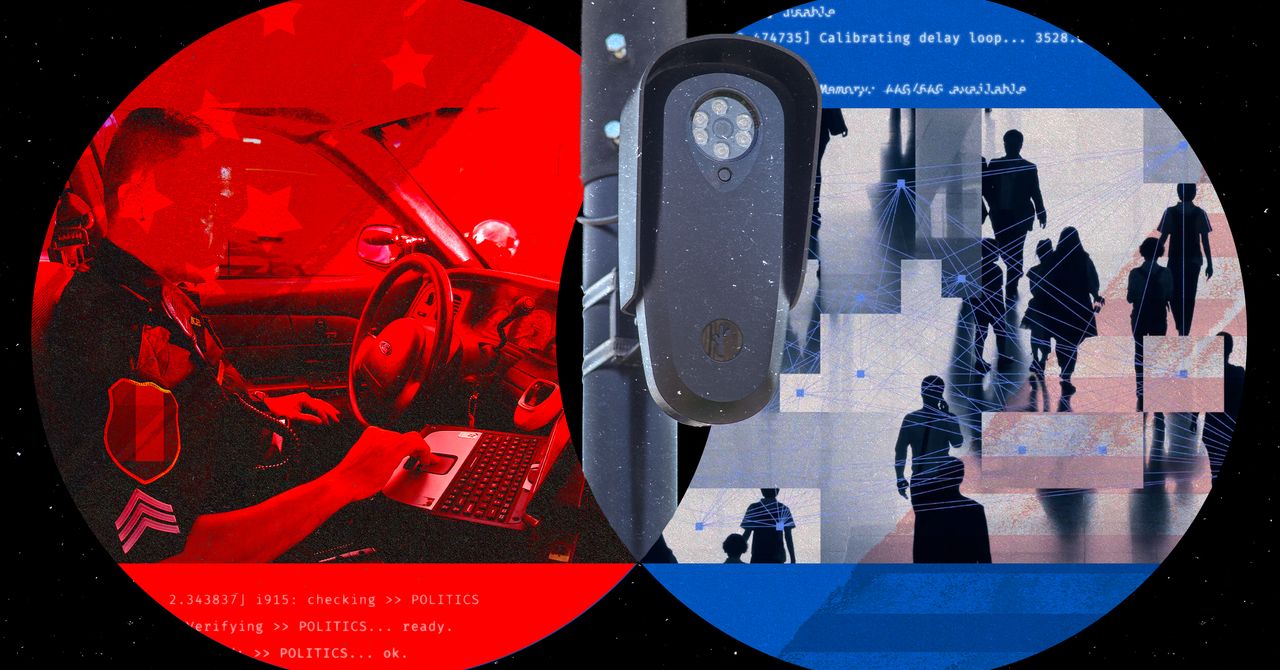
Flock Safety's AI-powered watchlist lets police search cameras for people matching a written description. WIRED analyzed the code and found its moderation system returns one of three verdicts—allow, block, or warn—but does not stop abusive searches.
Why it matters
Flock's guardrails may discourage misuse and will record it, but they won't stop it, experts say. The company warns officers results may be inaccurate, yet puts the risk on them. Political, social, and cultural expression is only warned, not blocked, despite First Amendment protections.
What to watch
Flock says mandatory controls—shorter data retention, case codes, and automated auditing—will be in place by the end of the year. The company did not say whether its servers would stop a search submitted without a reason or case number.
Summaries like this, in your inbox every morning.
Flock's new tools extend surveillance beyond license plates, letting police search for people by written descriptions across multiple cameras. The code WIRED examined shows an AI model scoring descriptions against eight sensitive categories, including race, religion, and political expression. Yet only political, social, and cultural expression is treated as a warning, not a block, despite being 'one of the most protective areas' under the First Amendment, as Tom Bowman noted.
This design puts the burden on officers. The company warns that results may be inaccurate, but assigns the 'risk of any inaccuracies' to the user. Experts argue no automated screening at this scale is accurate, and no outsider can measure its errors. Flock's August changes—shorter retention, mandatory case codes, and auditing—aim to add oversight, but they record misuse rather than prevent it.
Past abuse is well-documented: over half of 46 Flock-related cases involved tracking romantic partners or exes. The new moderation system may deter some misuse, but as Kate Ruane observed, a warning still allows results if an officer clicks through. Whether the year-end mandatory controls will close this gap remains unaddressed by the company.
Pick your industry and the AI tools you use, and get news related to your work every day.
Free · 30 seconds with Google · unsubscribe anytimeWhat is AIToday? →
Ask AI anything about this article. The AI reads this article, earlier AIToday articles, and Wikipedia, and cites its sources. Q&As are published on this page for other readers too.
Anthropic introduced Claude Duet, a proactive AI agent in research preview for Pro and Max subscribers, availa…

Meta's five-year credit default swaps rose as much as 8.9 basis points to 119.3 basis points a year, a record…

Slingshot Insurance emerged from stealth with $27 million in seed funding co-led by Rally Ventures and Skyward…

Moshi CEO Anekha Sokhal said on the AI Engineer podcast that her tool — 'if Bloomberg, Claude and Netflix had…

CFO Susan Li told Meta's third-quarter earnings call that "traditional enterprise companies" don't have enterp…
DeepSeek reportedly raised about $15 billion (about 100 billion yuan), one of China's biggest funding rounds…