What happened
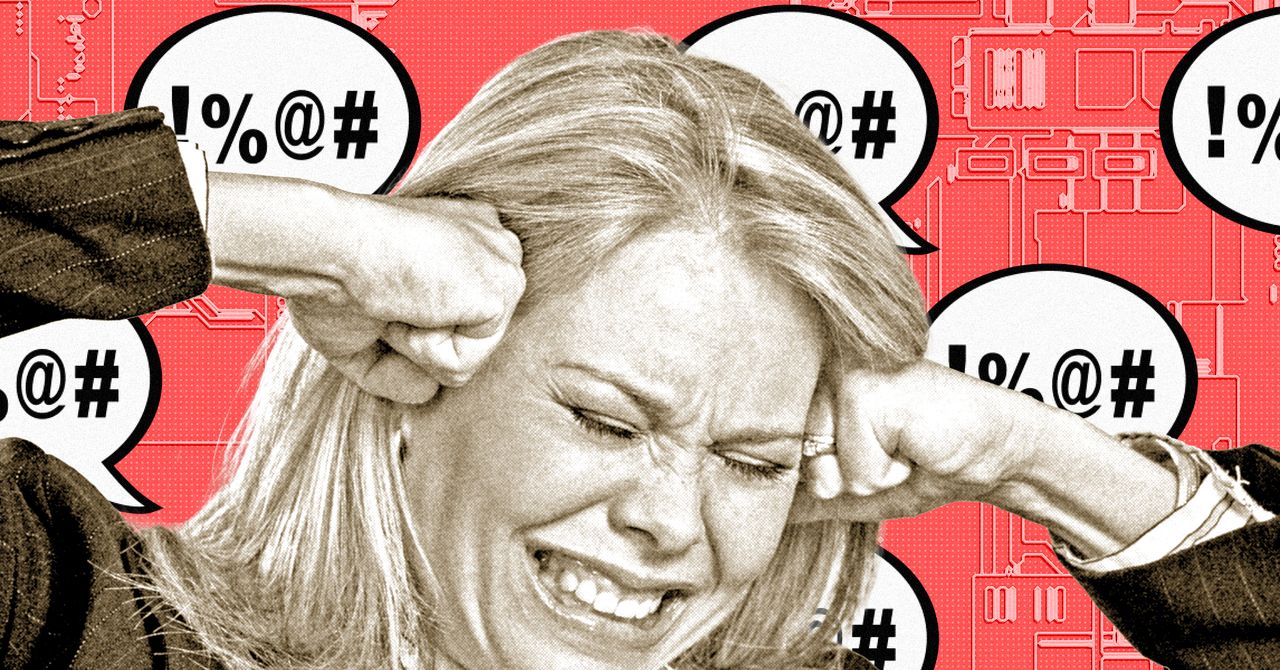
A Glassdoor analysis found that claims adjusters who mention AI are critical of it 98% of the time, the highest rate among U.S. workers. Their complaints focus on error-prone AI forced on them by leaders, which creates more work and cleanup.
Why it matters
The profession is shrinking: the Bureau of Labor Statistics expects claims adjuster numbers to fall by 18,900 (5%) over the coming decade, and employment dropped 21% between May 2025 and May 2026. Entry-level postings have fallen 50% since 2025, and adjusters worry they are training their replacements.
What to watch
AI is already handling significant workloads, like Lemonade's chatbot AI Jim handling initial reports 96% of the time and automation processing 55% of all claims. Whether insurers balance this with human empathy will shape the industry's future.
Summaries like this, in your inbox every morning.
The Glassdoor research highlights a tension between AI adoption and workforce morale. Insurers like Lemonade are pushing automation to handle routine claims, freeing humans for complex cases, but adjusters on the ground report that AI often creates more work when it fails. A former adjuster, Ahmad Jackson, described AI-driven hallucinations leading to angry claimants and he quit his job. Glassdoor economist Chris Martin says this is a 'reckoning' for the profession.
The data shows a steep decline in adjuster employment, with BLS projecting a 5% drop over the decade and a 21% fall in one year. This pressure likely fuels the anti-AI sentiment, as workers sense job insecurity. However, adjusters do see value in AI for administrative tasks, just not as a replacement for human judgment. Conrad, an Alabama claims executive, insists AI should never be 'given the keys'—it must remain a tool under human control.
The stakes are high: if AI errors lead to wrong payouts, customers blame the adjuster, not the algorithm. Insurers face a challenge in integrating AI without alienating their workforce or compromising service quality.
Pick your industry and the AI tools you use, and get news related to your work every day.
Free · 30 seconds with Google · unsubscribe anytimeWhat is AIToday? →
Ask AI anything about this article. The AI reads this article, earlier AIToday articles, and Wikipedia, and cites its sources. Q&As are published on this page for other readers too.
The Motley Fool argues Amazon is the AI company of the two, since AWS was just 21% of first-half 2026 revenue…

Hewlett Packard Enterprise stock is down 5% at $55.87

Cammarata reinterprets InceptionV1's cat-car neuron as a V-shape detector, not two unrelated concepts
Google Deepmind's Gemini 4 Argon scored 97.5 percent on ARC-AGI-3 at a cost of $4,800, second only to GPT-6 As…
Microsoft's Surface Laptop Ultra, using Nvidia's RTX Spark platform, starts at $2,599 (up to $5,899)
Meta's new commercial terms, effective October 30th, appear to let it crawl and train AI on content from websi…