What happened
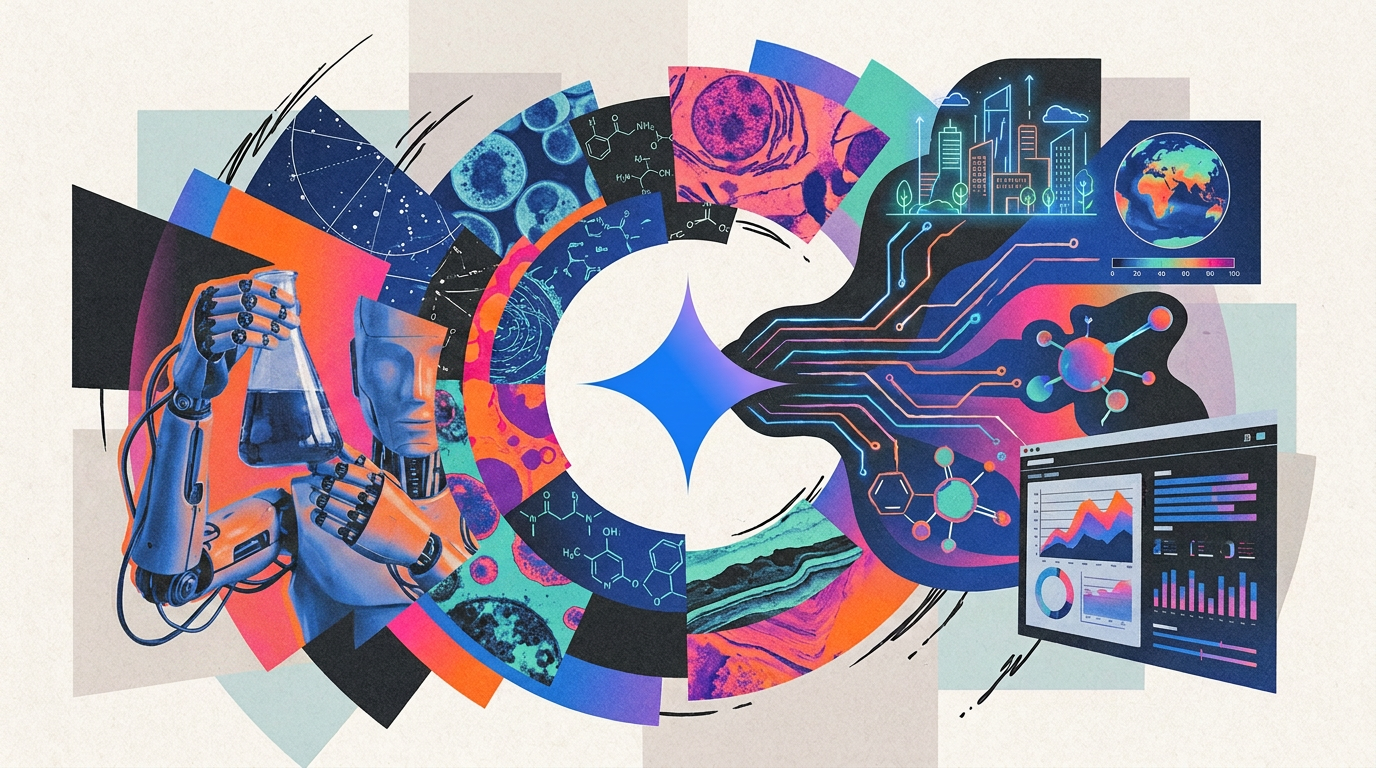
Google DeepMind has expanded its multi-agent system Co-Scientist into a lab-integrated research partner. It now plans experiments, writes code, controls lab equipment, and generates scientific manuscripts, not just hypotheses.
Why it matters
The system has delivered experimentally validated results across three disciplines—materials science, biology, and computer science. Reliability modules cut fabricated key results down to 4 percent, compared to 90 percent for a comparison system.
What to watch
In a fully autonomous computer science experiment, the system designed an AI architecture that outperformed six frontier models on health benchmarks after correction, but only showed a significant advantage over the baseline in one of nine categories under human evaluation. The gap between lab assistant and autonomous researcher remains wide.
Summaries like this, in your inbox every morning.
The expansion of Co-Scientist from a hypothesis generator to a lab-integrated partner marks a step toward autonomous scientific research. The system's closed-loop workflow—deriving hypotheses, planning experiments, executing code, and generating papers—aims to address the problem of AI fabrication. Prior analyses documented fabrication rates of 80 to 100 percent in existing systems, but Co-Scientist's reliability modules cut key-result fabrication to 4 percent in a double-blind study, though residual issues like selective reporting remain.
The validation across three disciplines shows increasing autonomy, from human-guided synthesis to fully autonomous AI design. However, the computer science experiment revealed a gap between benchmark performance and clinical relevance. Despite outperforming six frontier models on health benchmarks, a human evaluation by three physicians showed only a significant advantage in harm reduction. This disconnect raises questions about what automated benchmarks truly measure.
OpenAI plans to unveil an AI agent this fall for research, highlighting the hype around automated research. Yet the debate persists on whether these systems can discover new knowledge or just make explicit what is in their training data. The researchers acknowledge a long journey ahead before AI can navigate the physical realities of science.
Pick your industry and the AI tools you use, and get news related to your work every day.
Free · 30 seconds with Google · unsubscribe anytimeWhat is AIToday? →
Ask AI anything about this article. The AI reads this article, earlier AIToday articles, and Wikipedia, and cites its sources. Q&As are published on this page for other readers too.
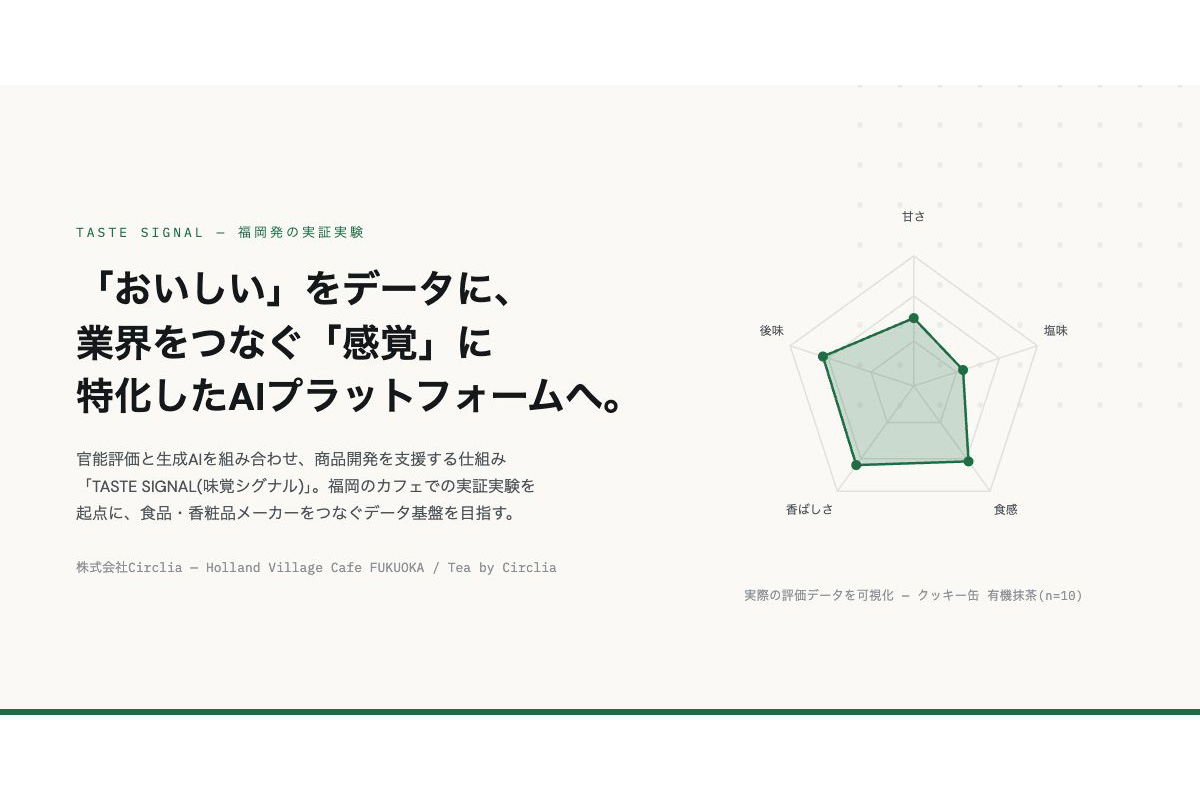
Circlia started a proof-of-concept for TASTE SIGNAL: visitors to Holland Village Cafe FUKUOKA taste cookies an…
In a webinar hosted by French Mathematical Society president Isabelle Gallagher, Fields Medal winner Hugo Dumi…

NVIDIA released Nemotron 3.5 Super VL, an open-weight model with 120 billion parameters that handles text, ima…
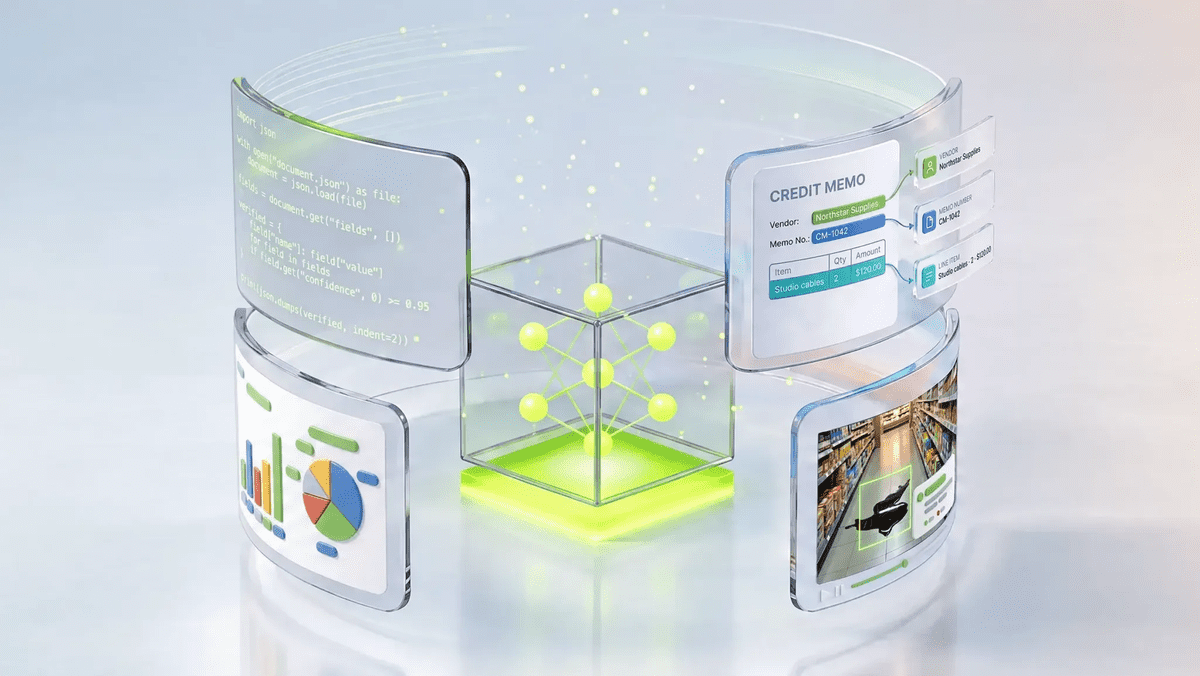
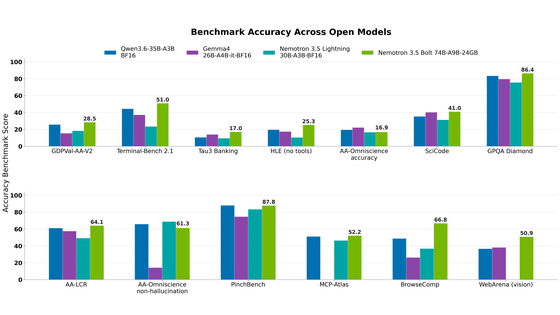
NVIDIA released Nemotron 3.5 Bolt 74B-A9B 24GB, an AI model for local agents that hits over 80 tokens per seco…
NVIDIA published a blog post titled "AI Security Is an Engineering Problem - How to Solve It at Every Layer of…
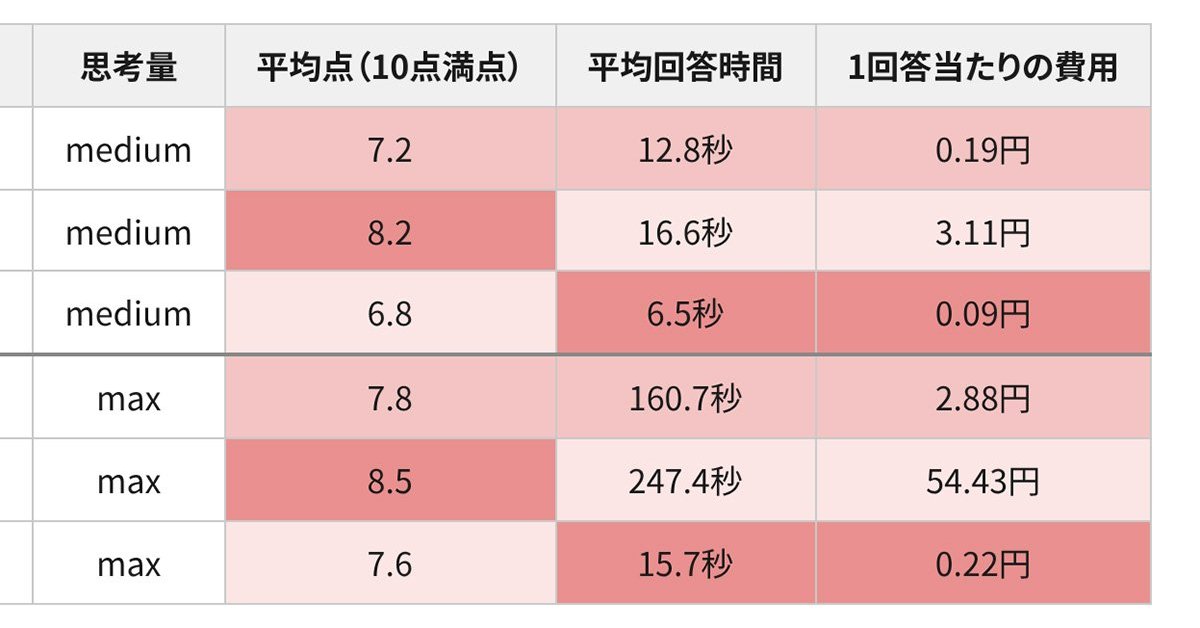
In the test, Haiku 5.5 on medium setting averaged scores close to Sonnet 5.5 on routine documents at about 1/1…