
What happened
While building an accounting app called Books tied to マネーフォワード, a developer built Jev Bookmarks. It searches a project's saved pages first; if none fit, it gathers candidates from Chrome history and lets Jev choose where to start, then Jev-ultrafast operates the browser.
Why it matters
The tool targets a real friction point: repeatedly opening the same pages, such as fixed-asset ledgers and tax filing screens, during development. Saving useful pages per project means similar later requests can start from an already-known place, cutting the effort of hunting for a familiar starting point.
What to watch
The developer noted no recorded comparison of speed in seconds, so the benefit is felt rather than measured. If neither history nor saved pages offers a suitable entry, Jev Bookmarks returns 'no entry,' and the AI must fall back to Jev's browser search.
WHO IT HITSDevelopers and AI agent builders who repeatedly drive a browser to the same internal tools—such as accounting dashboards and tax filing screens—may benefit from caching known starting points, though the body offers no measured speed comparison.
Summaries like this, in your inbox every morning.
The developer's starting point was testing Jev-ultrafast and Jev's Computer Use after seeing them shared on X. The browser felt noticeably fast, which raised the question of where that speed actually helps. Two cases emerged: unfamiliar sites where the AI must explore, and known destinations the AI is asked to open repeatedly during development.
Building the Books accounting app tied to マネーフォワード made the second case concrete, as the AI frequently reopened screens like the fixed-asset ledger and tax filing pages. Since those URLs often sit in Chrome history, the developer had Jev choose a starting page rather than letting it operate blindly. The design sends only narrowed candidates to Jev, keeping full history and query strings out of the entry decision, and pages judged useful after an operation are saved per project for reuse.
The developer also noticed Jev can evaluate several viewpoints at once, as described in TypeSafe's documentation. The current Jev Bookmarks picks a single entry, but keeping three candidates for the next step may be possible. Whether this approach pays off hinges on how often saved pages match a new request, since no time-based measurement was recorded.
For example, today's edition would include:
AI-summarized, only the topics you pick: one digest a day via Email, LINE, or Slack.
Free · 30 seconds with Google · unsubscribe anytimeWhat is AIToday? →
Ask AI anything about this article. The AI reads this article, earlier AIToday articles, and Wikipedia, and cites its sources. Q&As are published on this page for other readers too.
AWS made Amazon CloudWatch Omni generally available last week, with 17 built-in evaluators that score coherenc…

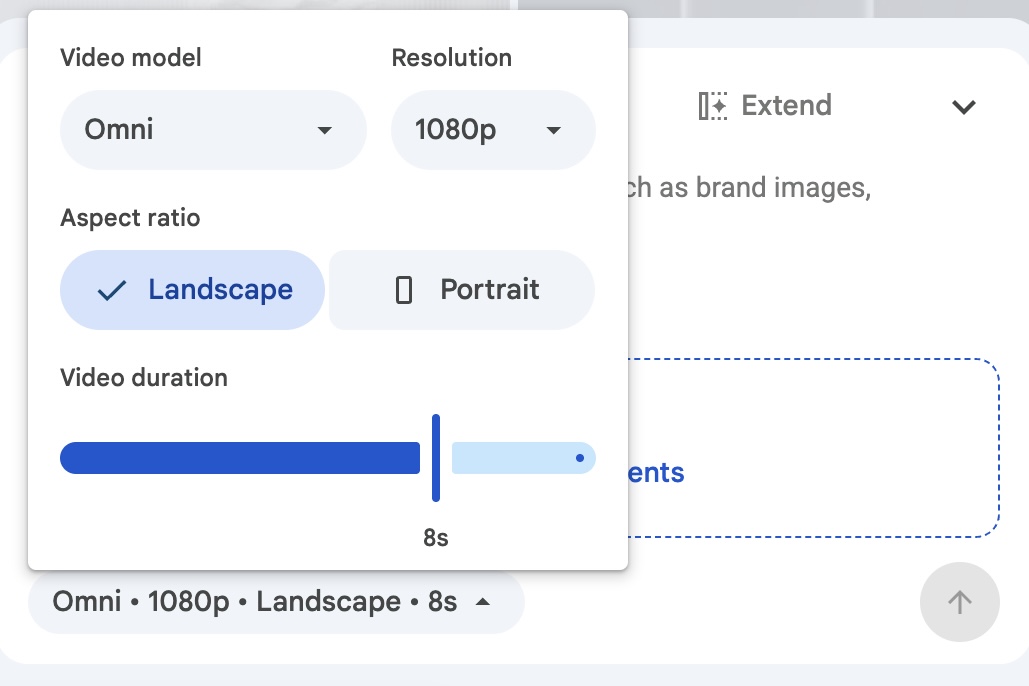
Google said Gemini Omni 1.1 Flash is now directly available in Google Vids, letting users extend scenes while…
In a September 2025 paper titled "Why Language Models Hallucinate," OpenAI researchers said low-frequency fact…

The developer moved from IDE-centric work in WebStorm and PHPStorm to terminal-centric work with Claude Code…
In a preliminary code-review trial (internal log EXP-001-R2), Claude and Codex each independently found one va…
A developer moved Codex work to Pi Coding Agent, running gpt-6-sol at high thinking

