A B200 GPU costs $4.50/hour on spot markets. At Google Search ad rates of $38.40 CPM (cost per thousand impressions), a cluster of 4 B200 Blackwells serving 300 users requires roughly 469 impressions per hour to break even—equivalent to one search ad every ~39 minutes.
Content network ads at $3.12 CPM require ~5,769 impressions per hour, or one ad every ~3 minutes. Even at a reduced effective CPM of $1.50 (accounting for fill rates and revenue share), the frequency doubles to one ad every 90 seconds—still below the ~one ad per minute that hyper-casual mobile games show.
For heavier workloads like agentic coding (which burns 10 to 20x more tokens than passive chat), a hybrid model works: $10/month plus 8 ads per day covers 2 million tokens.
Summaries like this, every morning.
Pick your industry and the AI tools you use, and get news related to your work every day.
Free · 30 seconds with Google · unsubscribe anytimeWhat is AIToday? →
Ask AI anything about this article. The AI reads this article, earlier AIToday articles, and Wikipedia, and cites its sources. Q&As are published on this page for other readers too.
OpenAI said Apollo Research, METR, Transluce and Goodfire will work on-site at its offices, with access to unr…
Since around late August, Artex and similar AI penetration frameworks have been used in attacks on companies…

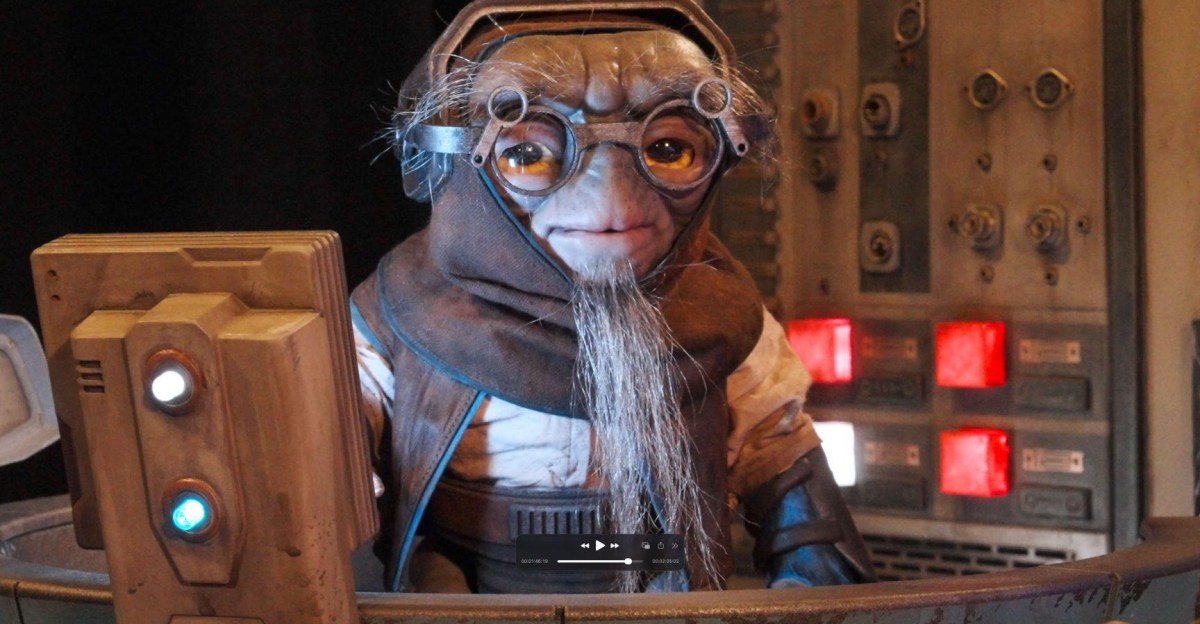
Walt Disney Imagineering R&D revealed three Audio-Animatronic prototypes—Vilo Vele, Kado Bre'a, and Jibu Bre'a…
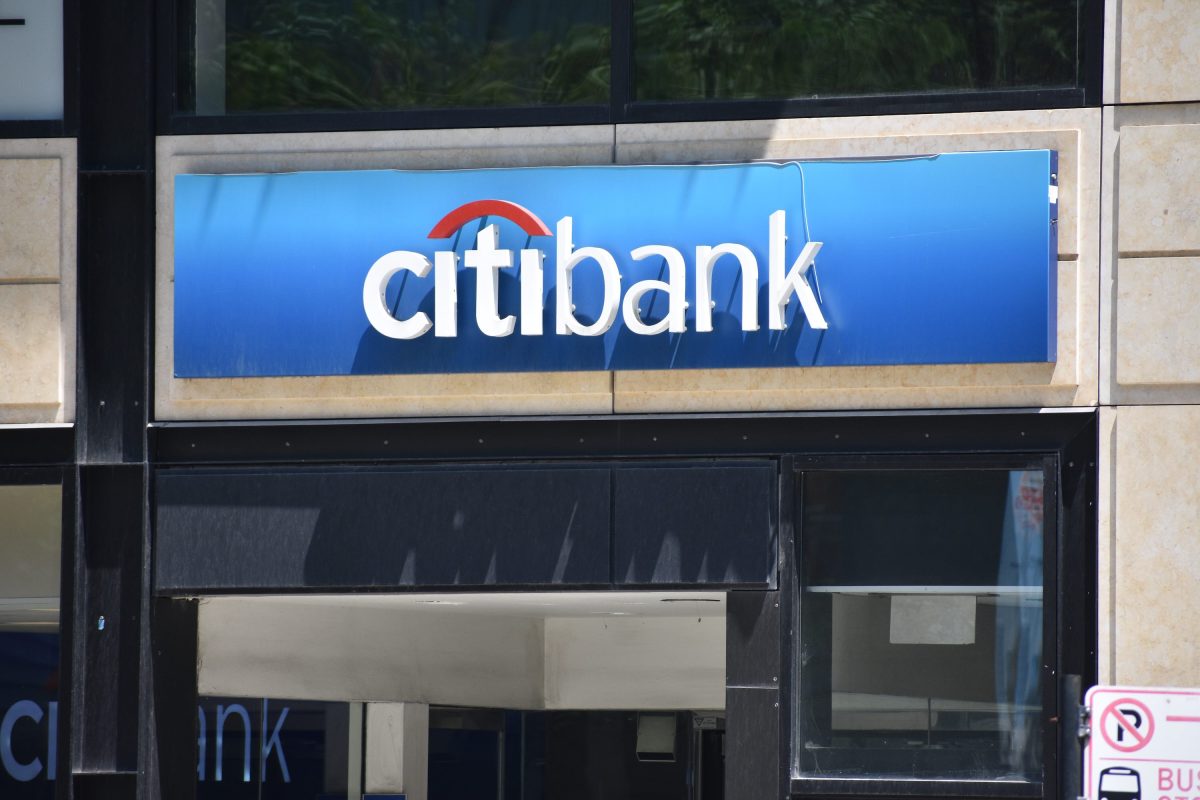
Citibank changed its Online User Agreement this week so customers who grant third-party AI tools access to the…
Google rolled out temporary threads in AI Mode, letting users click an icon in the upper right corner to chat…

OpenAI CEO Sam Altman said at the New York Times DealBook Summit that he had spoken privately with former Nvid…