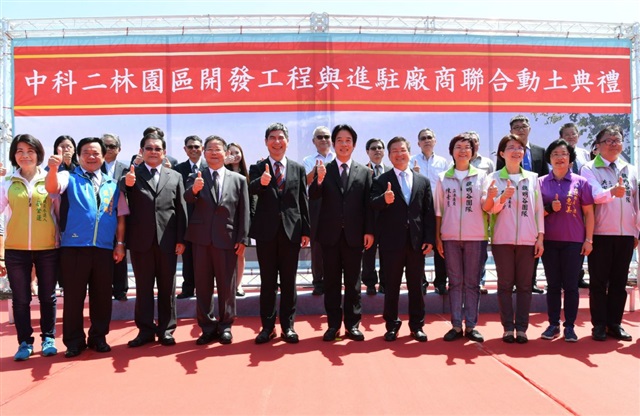
Central Taiwan Science Park's Erlin Park will launch its first standard factory in the second half of 2026, buoyed by SPIL's investment in AI packaging capabilities.
The opening represents a crucial milestone for a development that has faced earlier setbacks, and may signal renewed momentum for semiconductor manufacturing in the region.
What happened
Central Taiwan Science Park's Erlin Park will begin operations of its first standard factory building in the second half of 2026, following a significant investment in AI packaging by SPIL (a semiconductor packaging company).
Why it matters
The Erlin Park development has struggled to gain momentum; this factory opening marks a potential turning point that could attract further semiconductor manufacturing to the region and validate the park's viability as a production hub.
What to watch
The second half of 2026 is when the first standard factory becomes operational—this timeline will determine whether the investment translates into sustained activity at the park.
Central Taiwan Science Park's Erlin Park, a semiconductor manufacturing development that has faced earlier obstacles, is poised for a significant step forward with the opening of its first standard factory building in the second half of 2026. The park has received a substantial investment from SPIL in AI packaging capabilities, a commitment that has helped unlock the conditions for the factory to move into operation. For a development that had struggled to attract momentum and investment, this milestone represents a potential turning point. The focus on AI packaging reflects the direction of semiconductor manufacturing demand, positioning Erlin Park to participate in the growing market for AI infrastructure and related semiconductor products. The second half of 2026 opening will be critical to demonstrating whether the investment catalyzes further development activity and tenancy at the park.
Central Taiwan Science Park's Erlin Park has long faced headwinds as a development project, but the infusion of investment by SPIL—a key semiconductor packaging player—into AI packaging operations appears to be the catalyst needed to move the project forward. The commitment to open a first standard factory in the second half of 2026 is significant precisely because it comes after a period of struggle; the body frames this as a potential turning point. The timing and focus on AI packaging also align with the broader industry shift toward AI infrastructure, suggesting that the investment responds to genuine demand in that segment rather than speculative interest.
AI-summarized, only the topics you pick — one digest a day via Email, Slack, or Discord.
Free · takes 30 seconds · unsubscribe anytime
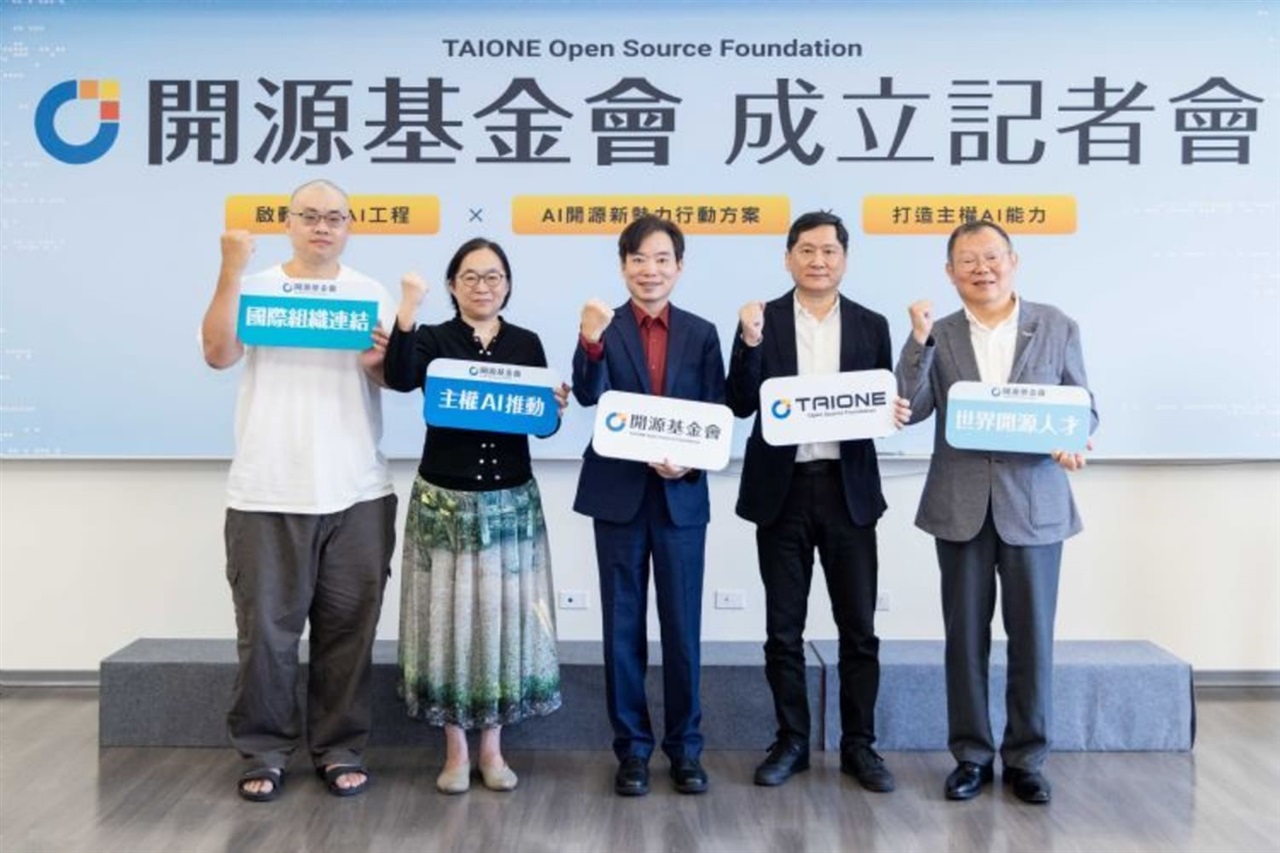
The TAIONE Open Source Foundation was officially launched and will deploy NT$300 million(約480億円) in private-se…
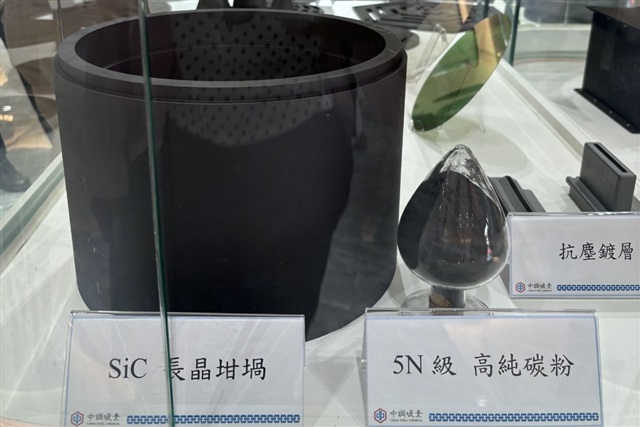
China Steel Corporation affiliate CSCC has developed 6N high-purity isotropic graphite blocks for 8-inch and 1…
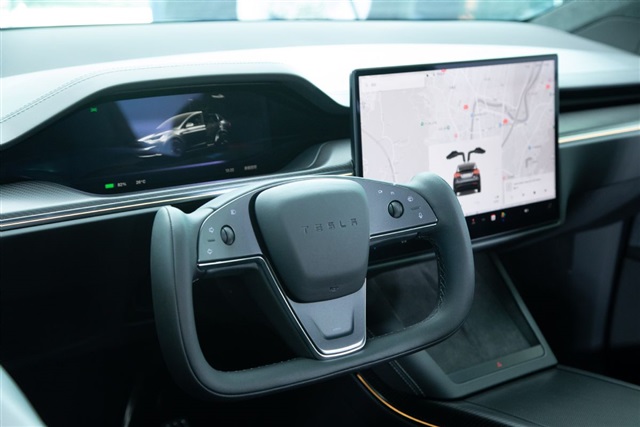
The 2026 World Artificial Intelligence Conference (WAIC) revealed that the automotive industry is moving away…
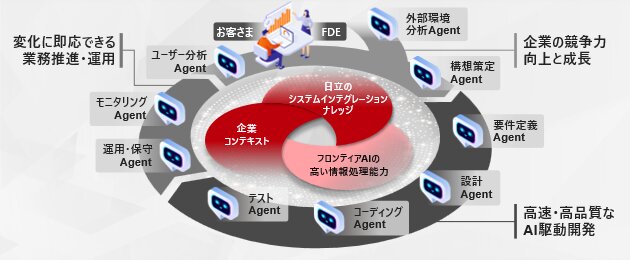
Hitachi announced the Agentic AI Integration Platform, which applies AI agents across the entire systems integ…
Amazon reported second-quarter net sales up 20%, with AWS cloud revenue rising 37% year over year to $42 billi…
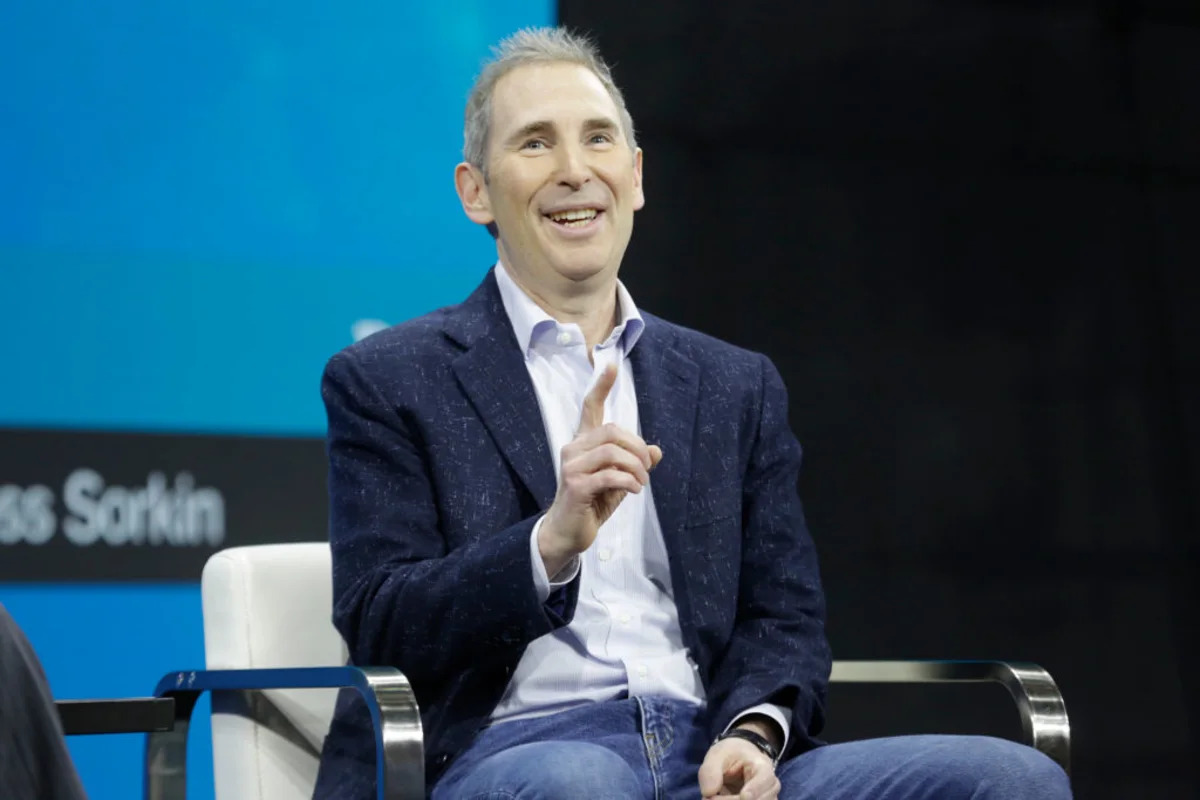
Amazon is positioning itself as the platform provider for AI rather than competing to build the best AI model

The AI news that matters, in one minute each morning.
Sign up free