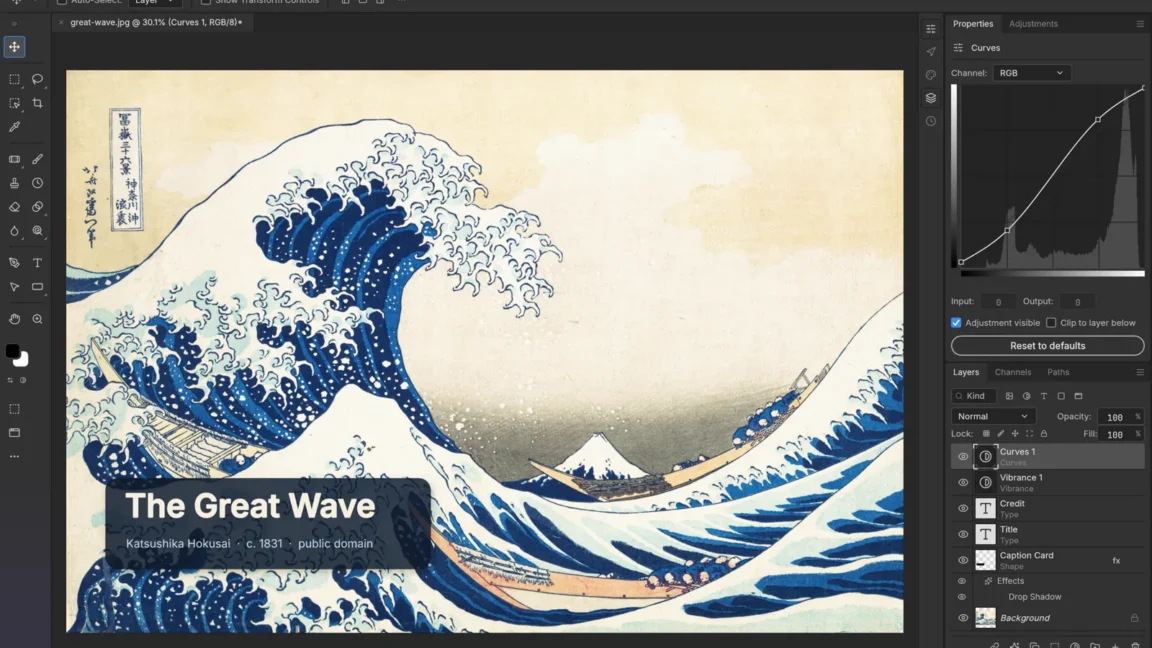
What happened
Developer Thomas released free open source Adobe alternatives under MIT/Apache licenses, funded by selling token-based access to the pre-existing Artcraft visual AI model and IDE, which appears in the apps as an imagery-generation option alongside third-party models.
Why it matters
Thomas says this setup keeps the apps from becoming "some orphaned small-team project," and the clones copy Adobe's look closely enough that lawyers may test whether that crosses into "trade dress" territory.
What to watch
The test is whether Adobe acts on trade dress, since the apps mimic Premiere and Photoshop closely. Thomas says he's coded exclusively with AI tools since February, and the clones are "nowhere near finished."
WHO IT HITSIndependent developers and small studios priced out of Adobe subscriptions get a free alternative, while Adobe's legal and brand teams face a test of how far "trade dress" protection reaches. Watch whether Adobe responds.
Summaries like this, in your inbox every morning.
Thomas, who says he has about a decade of experience working on large-scale Rust projects, was motivated to build these alternatives after being "bit by the dark pattern 'cancellation fee' one too many times." That frustration connects to a broader practice: he is the latest in a long line of coders using AI tools to speed up reverse engineering, which has generally been found legally acceptable.
The apps are not finished products — the feed notes they are "ambitious, free, and nowhere near finished." Thomas frames them as part of something bigger: he says he has a team building popular software for filmmakers, and he predicts a near future when everyday developers can recreate open source versions of paid software to "take back the internet and own tech forever."
Pick your industry and the AI tools you use, and get news related to your work every day.
Free · 30 seconds with Google · unsubscribe anytimeWhat is AIToday? →
Ask AI anything about this article. The AI reads this article, earlier AIToday articles, and Wikipedia, and cites its sources. Q&As are published on this page for other readers too.
Anthropic released Claude Haiku 5.5, a small model for repetitive work, with list prices of 10 cents per milli…
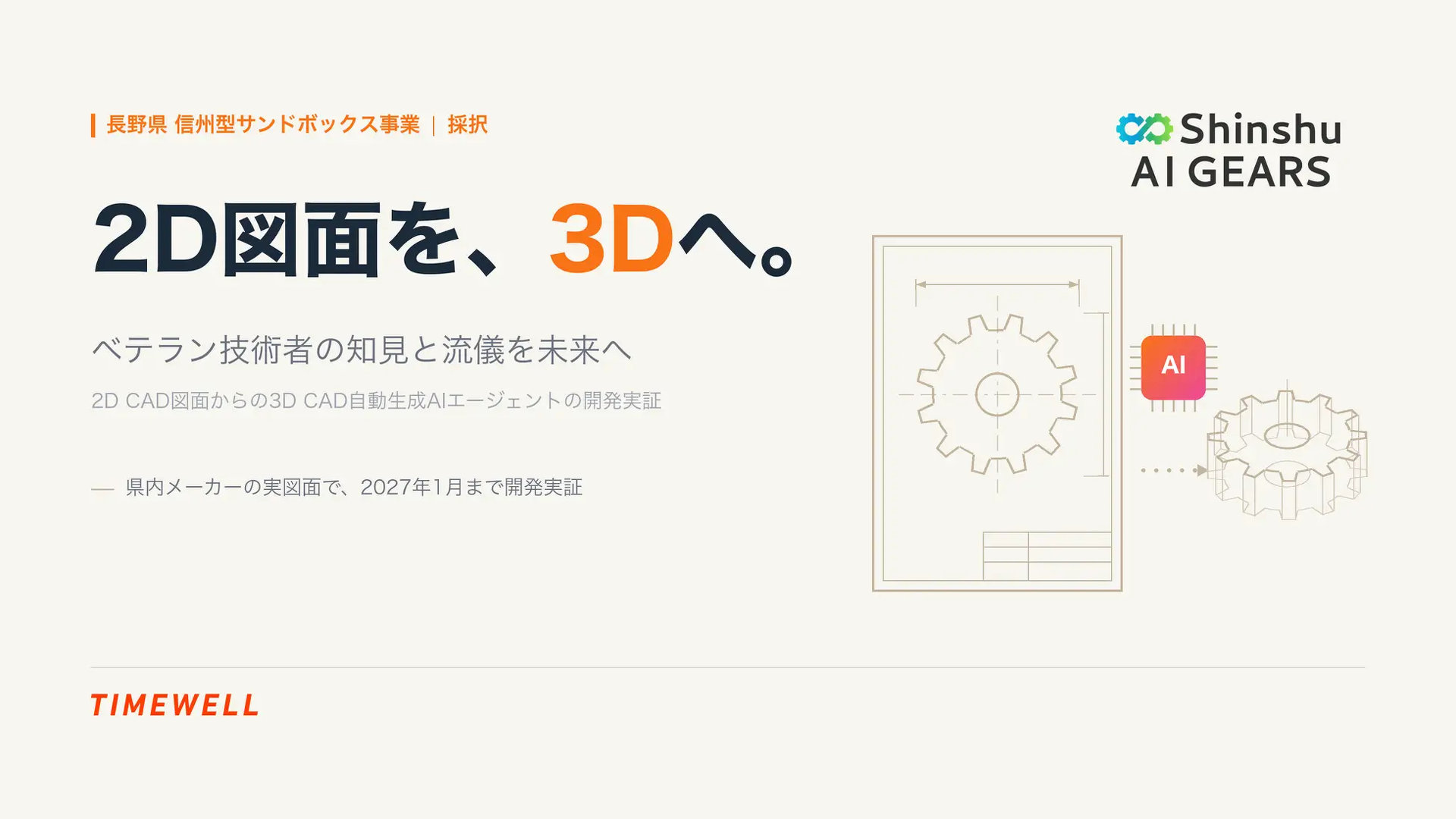
TIMEWELL said on October 1, 2026 it was chosen as a Shinshu AI GEARS subsidy recipient, working with Orion Kik…
Mecka AI announced a $60 million Series B led by Sequoia, with Nvidia, Microsoft's venture fund M12 and others…
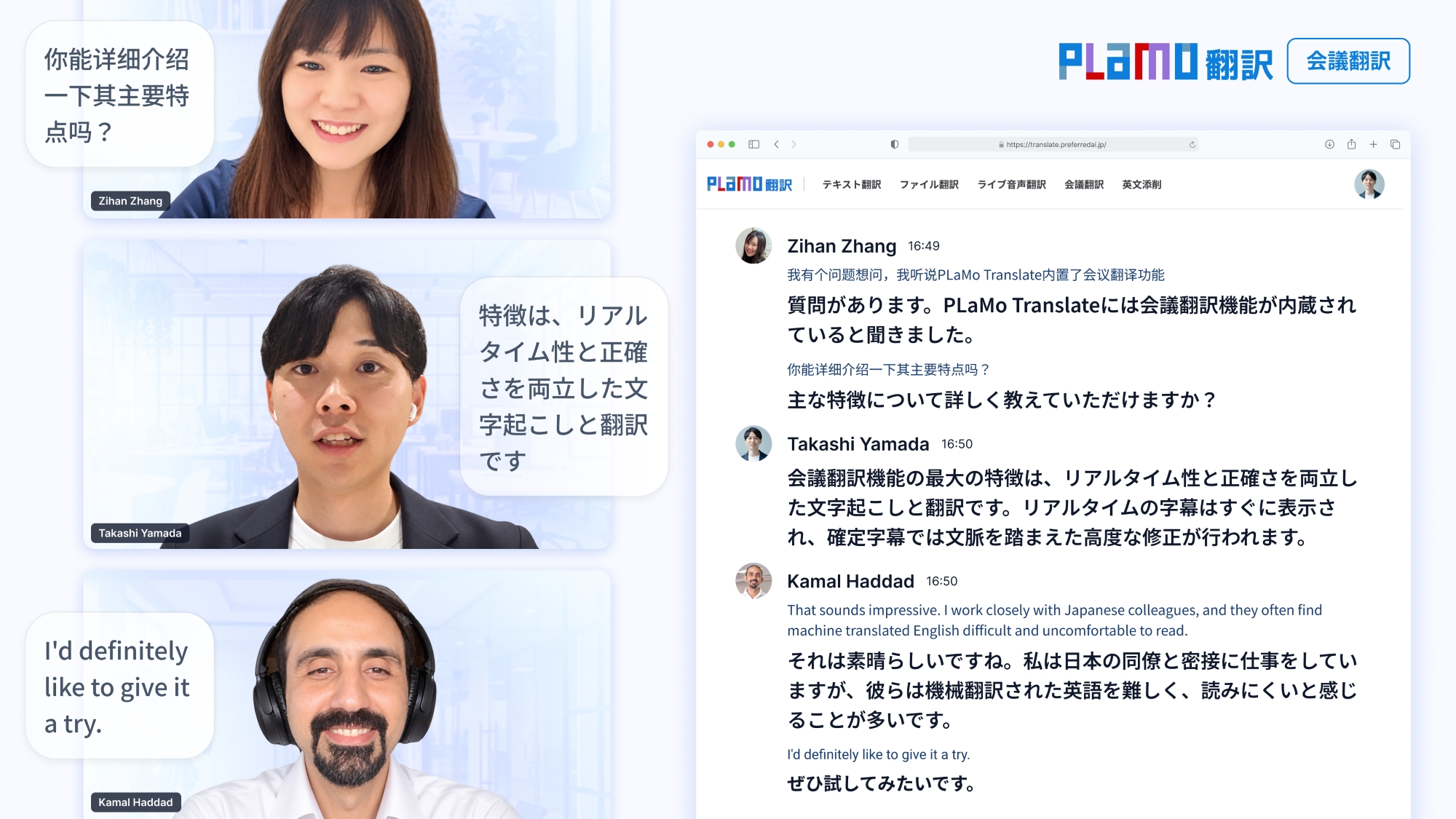
Preferred Networks began offering a major update to its Japan-focused AI translation service PLaMo翻訳, claiming…
Analysts estimate China's best models are now just four months behind OpenAI and Anthropic, versus seven month…
Using only NVIDIA's official figures from P100 (2016) to Rubin (2026), the same 10 years divides out to roughl…


