
Linux Foundation's Global AI CTO Matt White has published a detailed report following an eight-day visit to Chinese cities including Beijing, Shanghai, and Hangzhou, where he observed AI labs, robotics startups, and academic research institutions.
His account suggests that Chinese AI research and development has reached a level of innovation that merits attention from Western technology leadership, potentially shifting perceptions of where AI advancement is concentrated globally.
What happened
Linux Foundation Global AI CTO Matt White recently returned from an eight-day visit to Beijing, Shanghai, and Hangzhou, where he toured AI labs, robotics startups, and academic institutions. He documented his observations in an account titled "Eight Days in China: What I Learned from AI Labs, Robotics Startups, and Academia."
Why it matters
White's report appears to challenge the narrative of one-way technology flow from Silicon Valley to China, suggesting instead that Chinese AI research and development has reached a level of sophistication worthy of attention from a major open-source software organization's leadership. For Western tech leaders and businesses tracking competitive dynamics, this signals that innovation in AI and robotics is emerging from multiple global centers.
What to watch
The full details of White's findings and which specific technologies or approaches he identified as noteworthy remain to be seen in his published account.
Ask the AI about this article →
Matt White's trip and subsequent publication represent a notable moment in how Western tech leadership assesses global AI development. The Linux Foundation, a major steward of open-source software standards, dispatched its Global AI CTO to investigate innovation on the ground in three major Chinese technology hubs. The framing of his report—that China's AI labs are "exporting innovation back to Silicon Valley"—directly inverts a common assumption that technological advancement flows primarily from the United States westward. This observation appears grounded in what White encountered during site visits to working research facilities and startups, suggesting that the gap in AI sophistication between Silicon Valley and Chinese research centers may be narrower than some Western narratives suggest. For businesses tracking competitive positioning in AI and robotics, the report indicates that strategic attention to Chinese research developments is warranted.
For example, today's edition would include:
AI-summarized, only the topics you pick — one digest a day via Email, Slack, or Discord.
Free · takes 30 seconds · unsubscribe anytimeWhat is AIToday? →
Ask AI anything about this article. Q&As are published on this page for other readers too.
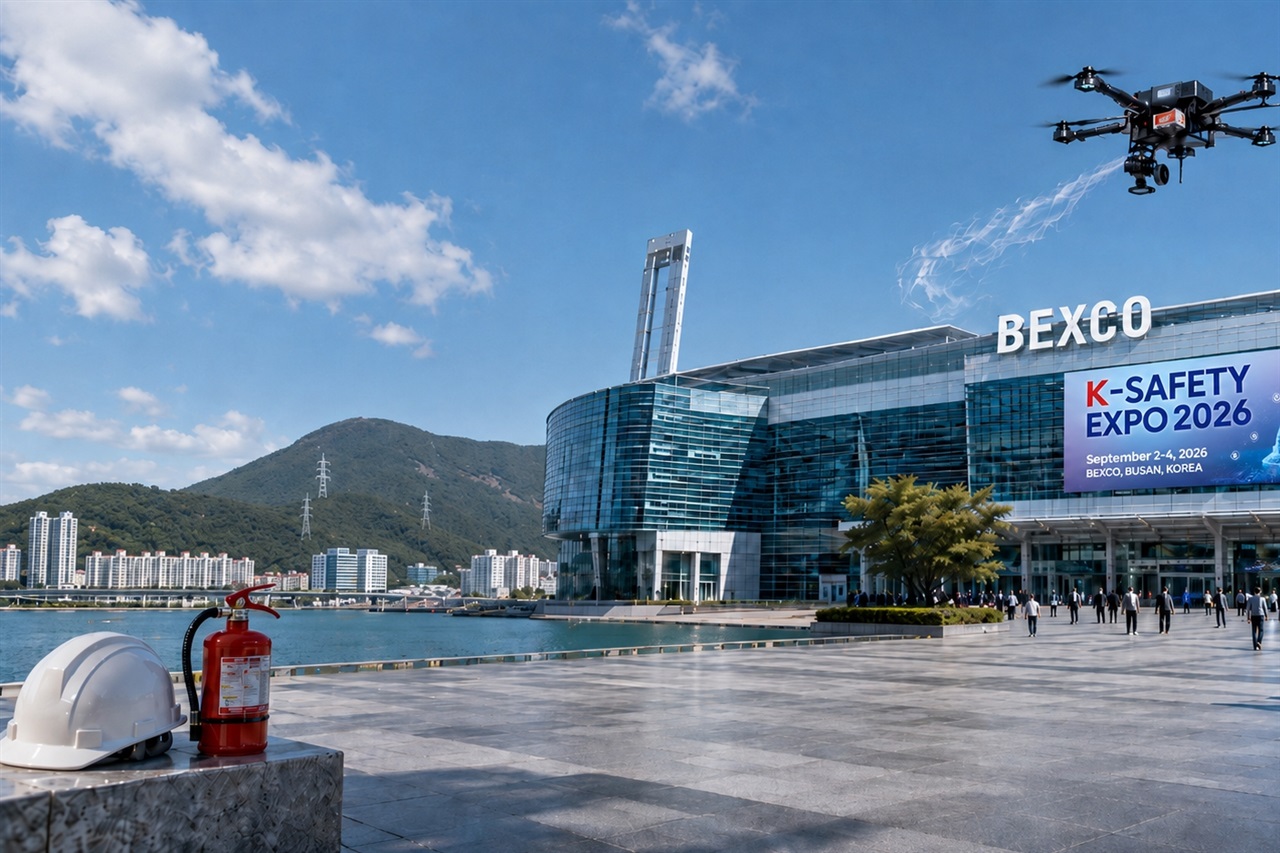
K-Safety Expo 2026 will be held at BEXCO in Busan from September 2–4, featuring AI, robots, sensors, and conne…
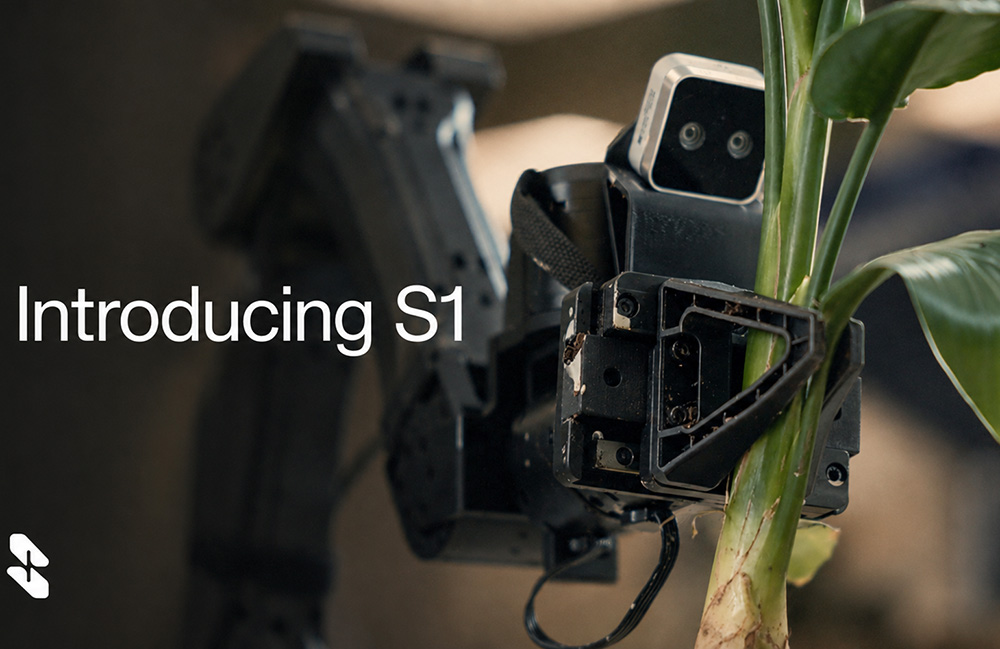
Skild AI has introduced S1, its flagship robot foundation model, which lets robots learn new, complex tasks by…
BHP, the world's largest mining company by market capitalization, has deployed AI across its operations
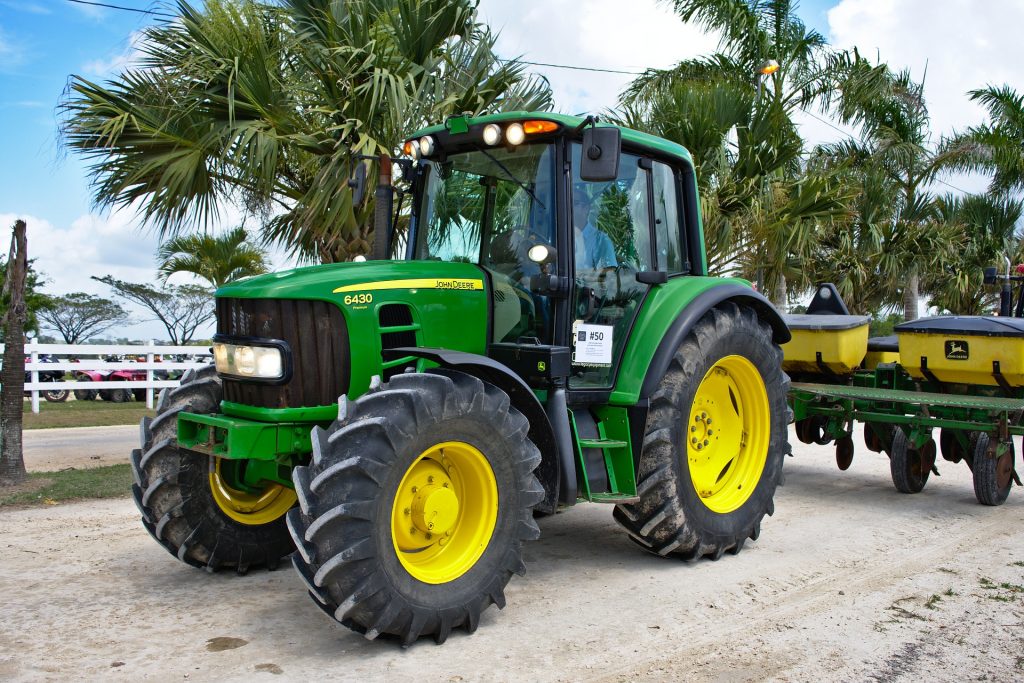
John Deere announced a three-year, $10 million research and development partnership with ag-tech company Reser…
On July 16, 2026, NVIDIA announced that 22 Japanese companies and organizations have expressed intent to join…
Panasonic HD has established a new AI and robotics research and development division, and CAIO Sakaba is leadi…