
What happened
Situational Awareness, the hedge fund formed by ex-OpenAI researcher Leopold Aschenbrenner, has been buying call options on AMD, Bloom Energy, CoreWeave, SK Hynix and SanDisk, with hundreds of millions of dollars in option premiums. The fund was forced to sell off its AI assets and Citadel bought much of its public-equity holdings a day later.
Why it matters
That the fund is willing to recommit so soon suggests at least one aggressive AI investor sees the selloff as a buying window rather than a warning, a read other holders of the same names may weigh.
What to watch
The real test is whether a repeat of sharp AI-stock volatility forces those leveraged option positions to show themselves. The fund was said to be operating at around four times leverage.
WHO IT HITSThis lands hardest on fund managers and institutional investors holding AI infrastructure names such as AMD, CoreWeave and SK Hynix, who may read the re-entry as a tell about where an aggressive AI investor sees the next opportunity.
Summaries like this, every morning.
Situational Awareness's rise and stumble happened inside a single year. According to an investor letter seen by the Financial Times, the fund returned 439% net from the start of the year through June 30, briefly ranking among the best-performing large funds of 2026. That run was built on roughly four times leverage, which turned against it when AI stocks reversed in July: Its portfolio fell about 67 percent, and the fund sold off its AI assets, with Citadel buying much of the public-equity holdings a day later.
The new positions read as a deliberate re-entry into the same infrastructure theme that made and then hurt the fund. Processors, cloud computing, memory and electricity are described in the article as some of the main bottlenecks in the AI buildout, so the trade amounts to a wager that those constraints — not the broader market mood — define where the next leg of value sits.
What the outcome hinges on is whether the option premiums, reported at hundreds of millions of dollars, can absorb a second stretch of volatility. If AI stocks turn again, the leverage that amplified the earlier gains could expose the positions once more — and because these are options, that test may become visible through the trades themselves. For other investors in the same names, the re-entry is less a signal than a clue about where one aggressive AI investor sees the next opportunity.
Pick your industry and the AI tools you use, and get news related to your work every day.
Free · 30 seconds with Google · unsubscribe anytimeWhat is AIToday? →
Ask AI anything about this article. The AI reads this article, earlier AIToday articles, and Wikipedia, and cites its sources. Q&As are published on this page for other readers too.
Crux Labs launched with over $6 million in funding led by Benchstrength and Misneach, with Analog Ventures and…

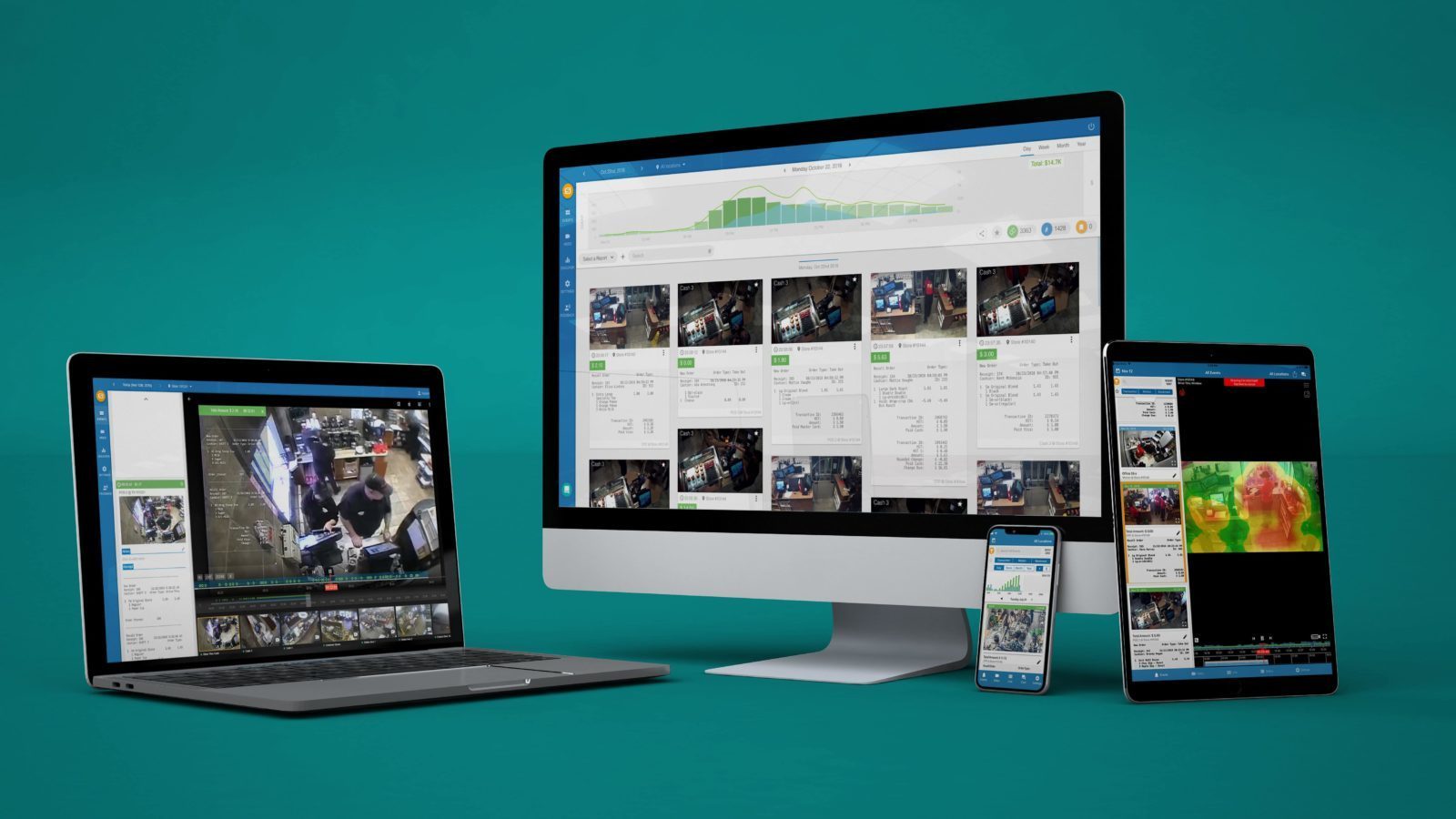
Solink Corp. raised more than $100 million, led by Vertu Capital, with Goldman Sachs also investing; its platf…
Etsy said quarterly active buyers rose for the first time in two years, with revenue up 11% to $692.5 million…
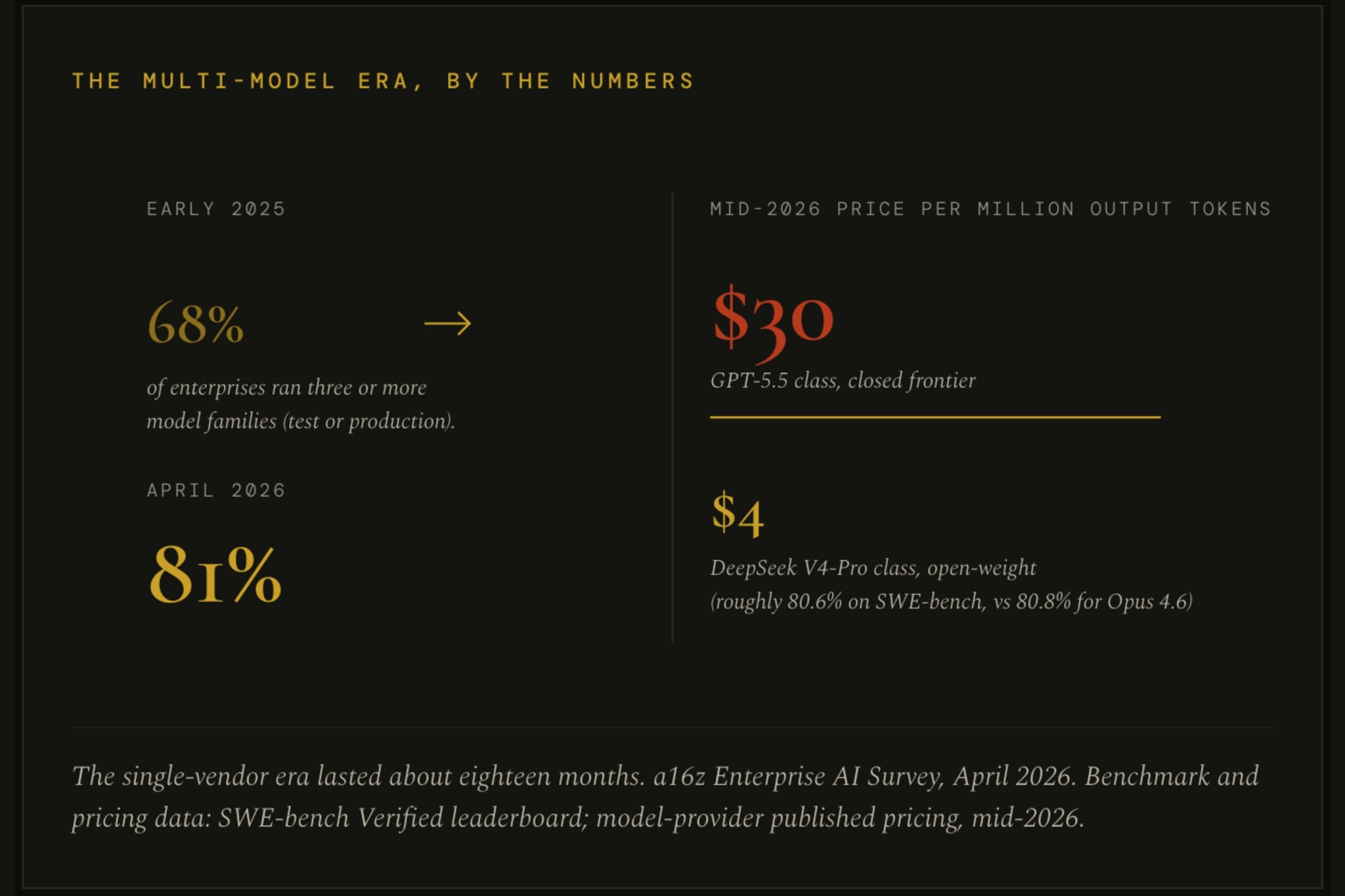
In a Fortune essay, Collective[i] argues companies should treat AI models as swappable commodities and own the…
Nscale is asking US investors for a roughly $30 billion valuation on first-half 2026 revenue of $140.6 million…

Amazon added more than 100 new shopping-related capabilities to Alexa, including subscription and list managem…