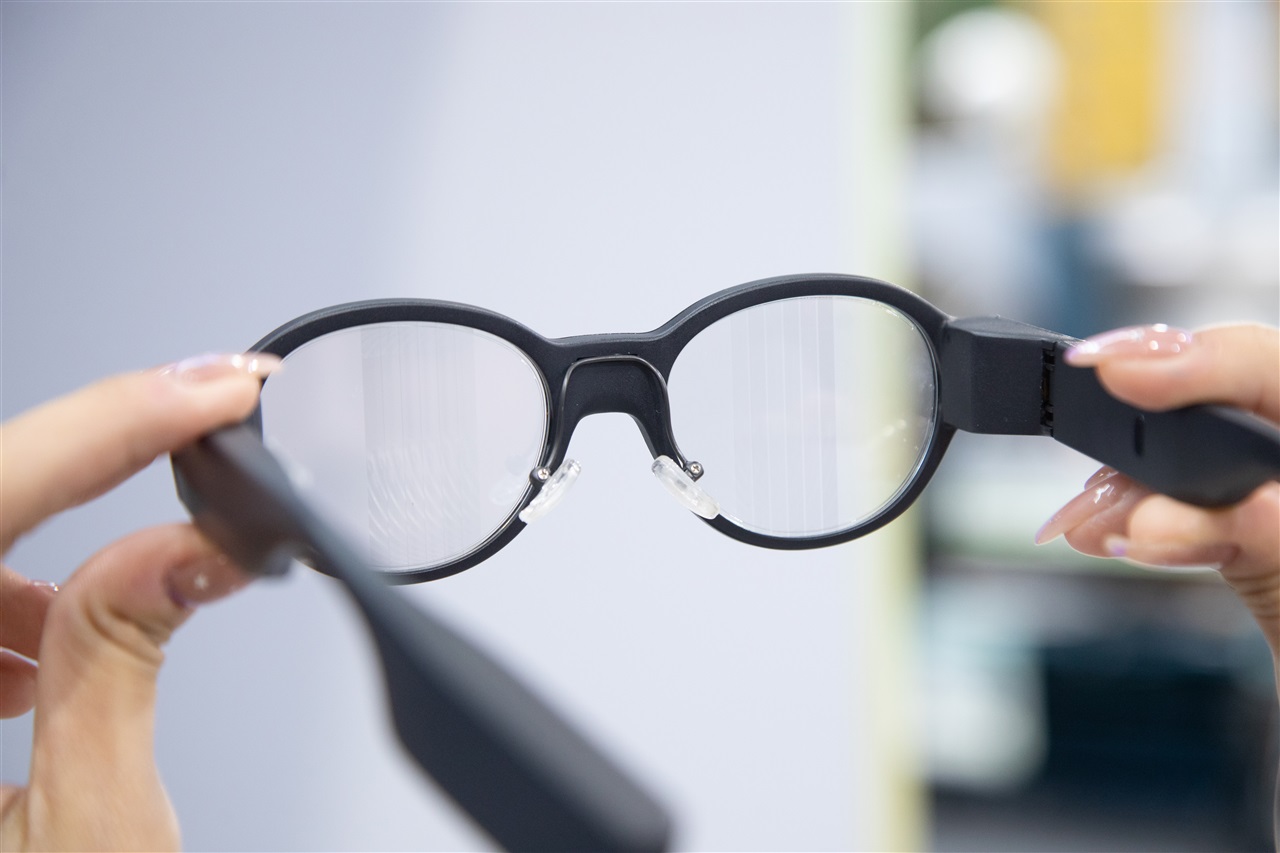
What happened
Chinese AI glasses launched through August 2026 averaged 38.1 grams, 30% lighter than the 54.4-gram average for US vendors, and 52% of Chinese models had AR display functionality.
Why it matters
Chinese brands appear to have made progress in AR display adoption and lightweight design, likely helped by domestic microdisplay and waveguide suppliers and by policy backing that aligns with where vendors cluster.
Summaries like this, in your inbox every morning.
China's approach to smart glasses has been top-down across administrative levels. Beyond national policies from Beijing, provinces and cities including Shandong, Jiangsu, Shanghai, Zhejiang, Guangdong, Shenzhen, Beijing, and Suzhou have introduced their own measures, with attention on dedicated chips, microdisplays, and optical components. That policy map overlaps closely with where the industry actually sits: Guangdong, Beijing, Shanghai, Zhejiang, and Jiangsu together hold more than 80% of smart glasses vendors, a match that should make it easier for government programs and companies to develop in step.
On the product side, the data points to two areas where Chinese brands have gained ground. Models with AR display functionality made up 52% of what they launched, and most of those rely on microdisplay and waveguide solutions from Chinese suppliers rather than imports. At the same time, Chinese AI glasses launched through August 2026 averaged 38.1 grams, 30% lighter than the 54.4-gram average for US vendors in the same period — a gap that suggests lightweighting has become a genuine competitive dimension, not just a spec-sheet footnote.
The report frames all of this as an all-out push, with progress in both AR display integration and lightweight design. What it does not offer is a dated next step, so the direction of travel is clear from the 2026 policy activity and the product mix, while the timing of any further moves remains open.
Pick your industry and the AI tools you use, and get news related to your work every day.
Free · 30 seconds with Google · unsubscribe anytimeWhat is AIToday? →
Ask AI anything about this article. The AI reads this article, earlier AIToday articles, and Wikipedia, and cites its sources. Q&As are published on this page for other readers too.
Mistlabs Ltd. took Ambi out of beta on Apple devices, backed by $26 million in Pre-A funding led by Luminous V…
Loops Smart AI raised $3.5 million in seed funding led by Andreessen Horowitz's a16z speedrun accelerator, wit…
Anthropic is urging data center partners to accelerate capacity deployment
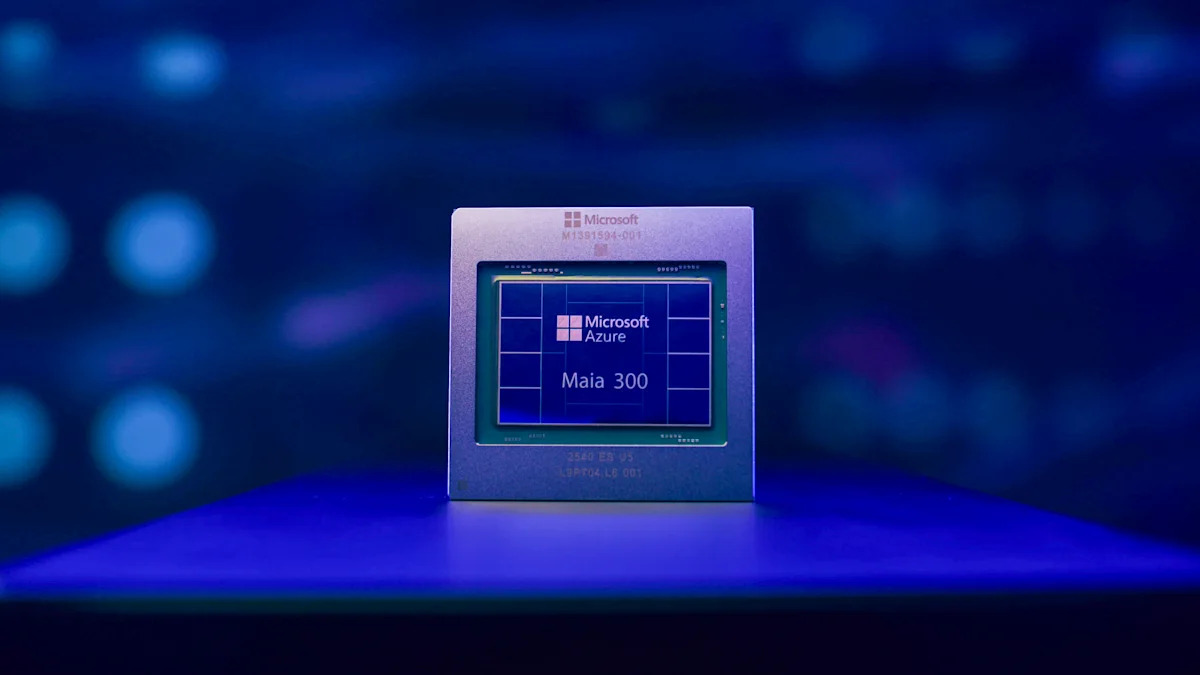
Microsoft debuted the Azure Maia 300 at the OCP Global Summit 2026 in San Jose, saying it provides 40% more to…
The IMF's managing director said AI infrastructure investment is already here and would help bolster growth in…
Since 2026-10-07, Max 5x, Max 20x and Team plans include monthly API credits — $100, $200 and up to $500 per s…


