What happened
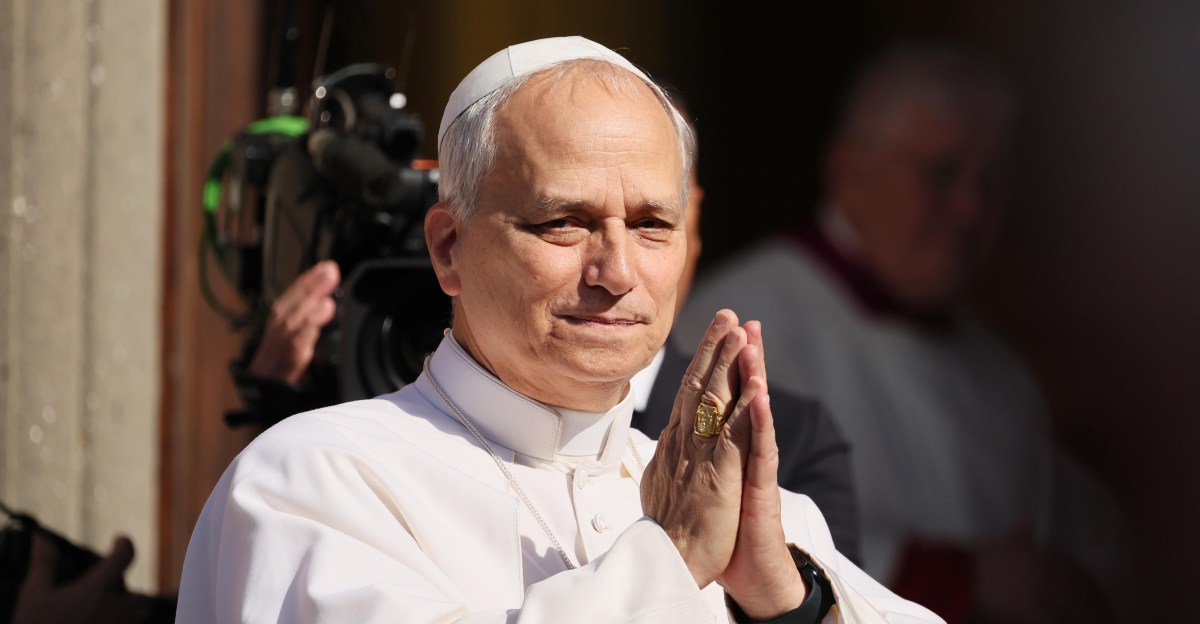
In Friday's Papal Address, Pope Leo XIV said AI should be "disarmed" and urged UN member states to "take concrete steps toward banning lethal autonomous weapons" at their Geneva meeting next month.
Why it matters
The call puts a global moral authority behind binding restraints on military AI, pressing governments to agree limits rather than leave oversight to developers.
Summaries like this, every morning.
Pope Leo XIV's address did not arrive in a vacuum. In May he issued his first major papal document, which highlighted "safeguarding the human person in the time of artificial intelligence," and Friday's remarks explicitly reflect many of those ideas. The Vatican's engagement with the issue also has a recent precedent: in 2024, Pope Francis called for a ban on autonomous weapons, saying, "No machine should ever choose to take the life of a human being." Pope Leo has suggested he chose his name because he must confront advances in the technology, similar to how Pope Leo XIII presided over the church at the forefront of the Industrial Revolution.
The address pairs a ban on lethal autonomous weapons with a broader argument about human control. Pope Leo warns about the dangers of granting AI systems rights or legal personhood, and says "Decisions affecting human life, freedom, and the use of force must always remain subject to effective, informed, and responsible human oversight." He closes by calling for international institutions to safeguard the common good from AI-related risks, along with "shared standards, independent oversight and clear mechanisms of accountability so that decisions concerning the development and use of AI can be examined, challenged when necessary, and accompanied by appropriate remedies for any harm caused." The Geneva meeting next month is the first venue where governments could respond to that call in practice.
Pick your industry and the AI tools you use, and get news related to your work every day.
Free · 30 seconds with Google · unsubscribe anytimeWhat is AIToday? →
Ask AI anything about this article. The AI reads this article, earlier AIToday articles, and Wikipedia, and cites its sources. Q&As are published on this page for other readers too.
Anthropic's prospectus devotes 69,800 words, about 30% of its 240,000-word filing, to risks like job displacem…
OpenAI CEO Sam Altman said on the Cheeky Pint podcast that humanity “deserves fundamental knowledge” and that…

Epoch AI researchers found that the Chinese open-weight model GLM 5.3 autonomously built multi-stage exploit c…
In a Fortune commentary, a Berkeley Law professor says Anthropic's preliminary prospectus, filed Oct
A Zenn how-to series on AI security says the first basic step is to not use the ChatGPT or Claude desktop apps…

The author ran an experiment that gave a subagent NOTES.md with a line to open each of 12 log files one at a t…