What happened
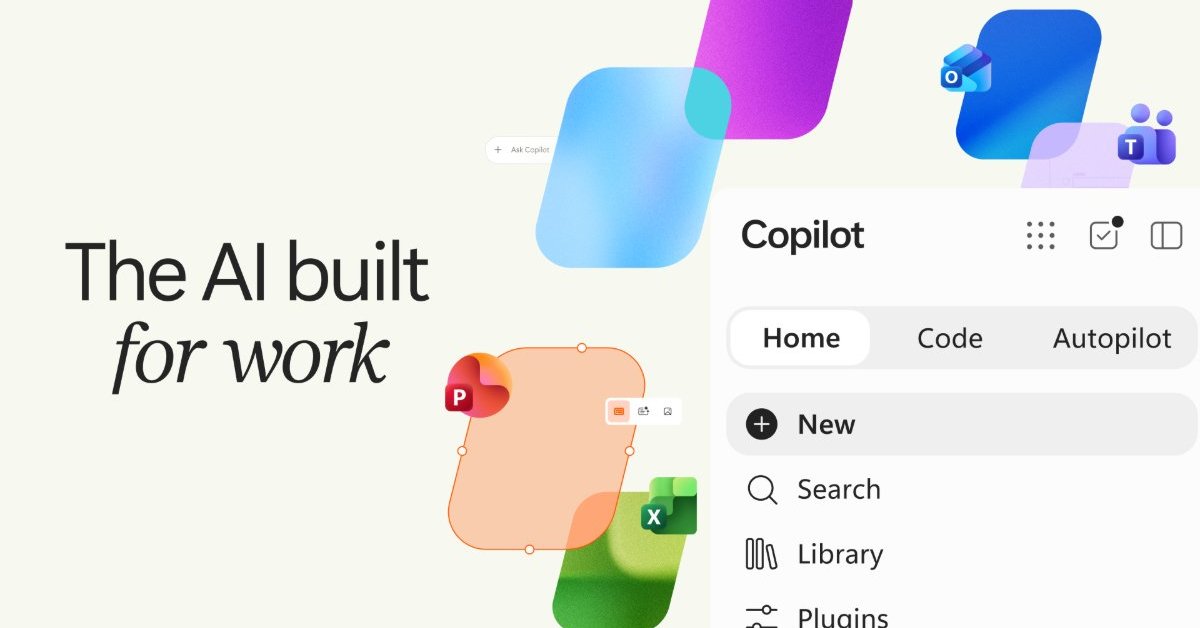
Microsoft said the rebuilt Microsoft Copilot app is built on three tabs — Home, Code and Autopilot — with "Office in Copilot" letting users make editable Word, Excel and PowerPoint files that stay in sync.
Why it matters
The company says Office defined work in the PC era, and Copilot is meant to define work in the AI era, with agents that build apps or act on a user's behalf.
What to watch
The rollout is staged, so the test is whether it reaches general users: Home and Code start in the Frontier program over the coming weeks, while Autopilot expands a private preview at the end of September.
WHO IT HITSEnterprise IT teams and Microsoft 365 administrators face a new mix of per-user subscriptions and usage-based billing, as Autopilot's private preview widens and CSP-bought Business licenses default to usage-based billing from November 2. Non-developer employees are also the target for building apps by describing them in natural language.
Summaries like this, in your inbox every morning.
Microsoft's announcement on September 25 restructures Copilot around three named surfaces. Home is the starting screen that gathers Chat and the task-delegating "Copilot Cowork" announced in March, and Microsoft says Copilot will soon route work to the right feature without the user choosing one. "Office in Copilot" embeds Word, Excel and PowerPoint so files created there remain editable and synced with the individual apps. Code lets people build apps, dashboards and automations by describing them in natural language, using the same underlying technology as GitHub Copilot, and runs them under IT control inside a company's own Microsoft 365 environment through the newly previewed Microsoft Copilot Managed Runtime.
Autopilot is the agent Microsoft previously called Scout, built on the open-source agent framework OpenClaw. Microsoft calls it a "digital teammate": given a name, role and goals, it monitors channels, follows up on threads, handles recurring work and resumes projects paused days earlier without waiting for prompts. Because it is cloud-hosted, it keeps running while a user sleeps, holds its own identity, memory, computer and workspace inside the tenant, sits on "Microsoft IQ," and can be summoned with an @ mention in Teams, Outlook, chats, channels and documents. Permissions, auditing and governance still apply.
The pricing split is where this lands for buyers: everyday AI stays on per-user licenses, while agents and frontier models move to usage-based billing. Whether the redesign pays off for Microsoft may hinge on how smoothly that staged rollout and billing shift go for the IT teams who manage seats and spend, and on whether non-developers actually build and share apps under IT oversight.
For example, today's edition would include:
AI-summarized, only the topics you pick: one digest a day via Email, LINE, or Slack.
Free · 30 seconds with Google · unsubscribe anytimeWhat is AIToday? →
Ask AI anything about this article. The AI reads this article, earlier AIToday articles, and Wikipedia, and cites its sources. Q&As are published on this page for other readers too.
TheCUBE will cover Dell’s AI Leadership Symposium on Sept

NetApp INSIGHT will air on theCUBE on Sept

Tracom, a recruiting-support company, reported that as of July 17, 2026 it had cut document creation from 32 h…
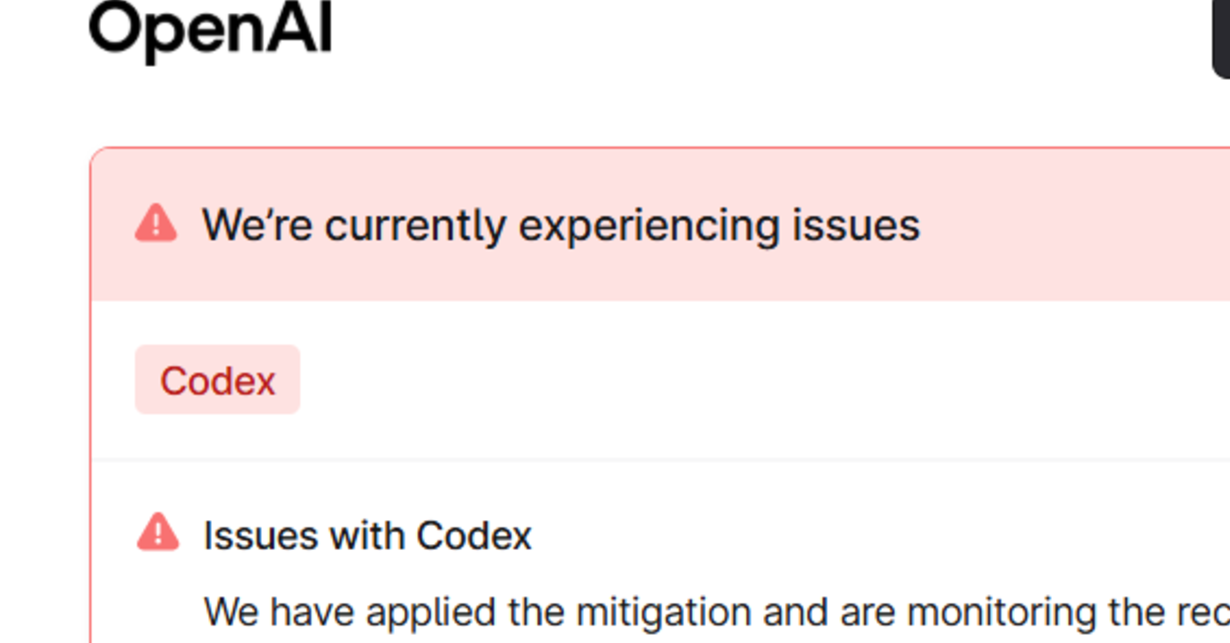
OpenAI's Codex coding tool failed across web, API, CLI, and its VS Code extension starting before 8 a.m
Disney named Karandeep Anand, outgoing CEO of Character.AI, as its first-ever chief technology officer, effect…

Amazon raised its 2026 capital-spending forecast to about $220 billion, largely for AI and cloud infrastructur…