What happened
Disney named Karandeep Anand, outgoing CEO of Character.AI, as its first-ever chief technology officer, effective October 2; he reports to CEO Josh D'Amaro and oversees enterprise technology, AI platforms, and engineering.
Why it matters
A first-ever company-wide CTO role is expected to centralize tech leadership across Disney's segments, which the article says could reduce duplicated development and speed AI adoption.
What to watch
The appointment carries governance risk, since Pennsylvania sued Character.AI in May and it settled a wrongful-death lawsuit in January; Disney must apply stricter safeguards around children and families.
WHO IT HITSThis lands on Disney's engineering and product teams, who gain a single leader for enterprise technology and AI platforms, and on the content-safety and legal staff who will be asked to apply stricter safeguards before generative AI touches children, families, or Disney characters.
Summaries like this, in your inbox every morning.
Disney's decision to create a company-wide CTO position reflects its fragmented business portfolio, which spans streaming, studios, theme parks, and corporate operations. By putting one executive over enterprise technology, AI platforms, and engineering, Disney is betting that common standards can reduce duplicated development and speed AI adoption. The hire also brings an experienced generative-AI team: a number of Character.AI's technical staff are expected to follow Anand, potentially letting Disney acquire that capability rather than build it through individual hires. Alongside this, Disney named Adam Smith chairman of streaming with responsibility for subscription-video strategy, advertising technology, and emerging technologies, and gave Joe Earley a new television-franchise role, suggesting CEO Josh D'Amaro wants technology, streaming, advertising, and franchise development to advance under a more coordinated strategy.
The bear case centers on Character.AI's legal history. Pennsylvania sued Character.AI in May after investigators found chatbots that allegedly impersonated licensed doctors, and in January the company and Google settled a wrongful-death lawsuit involving a teenager's suicide. These cases do not establish personal wrongdoing by Anand, but they place the safety practices of the company he led under scrutiny. For a business built on family trust, Disney would likely need to apply much stricter safeguards before placing generative AI near children, families, or its characters.
How this plays out may hinge on whether Disney's centralized technology leadership actually translates into faster, safer AI adoption across its segments. The company's ability to tighten safeguards while still benefiting from Anand's generative-AI experience looks like the key test, and the market will be watching for early signs of whether that balance holds.
For example, today's edition would include:
AI-summarized, only the topics you pick: one digest a day via Email, LINE, or Slack.
Free · 30 seconds with Google · unsubscribe anytimeWhat is AIToday? →
Ask AI anything about this article. The AI reads this article, earlier AIToday articles, and Wikipedia, and cites its sources. Q&As are published on this page for other readers too.
TheCUBE will cover Dell’s AI Leadership Symposium on Sept
NetApp INSIGHT will air on theCUBE on Sept
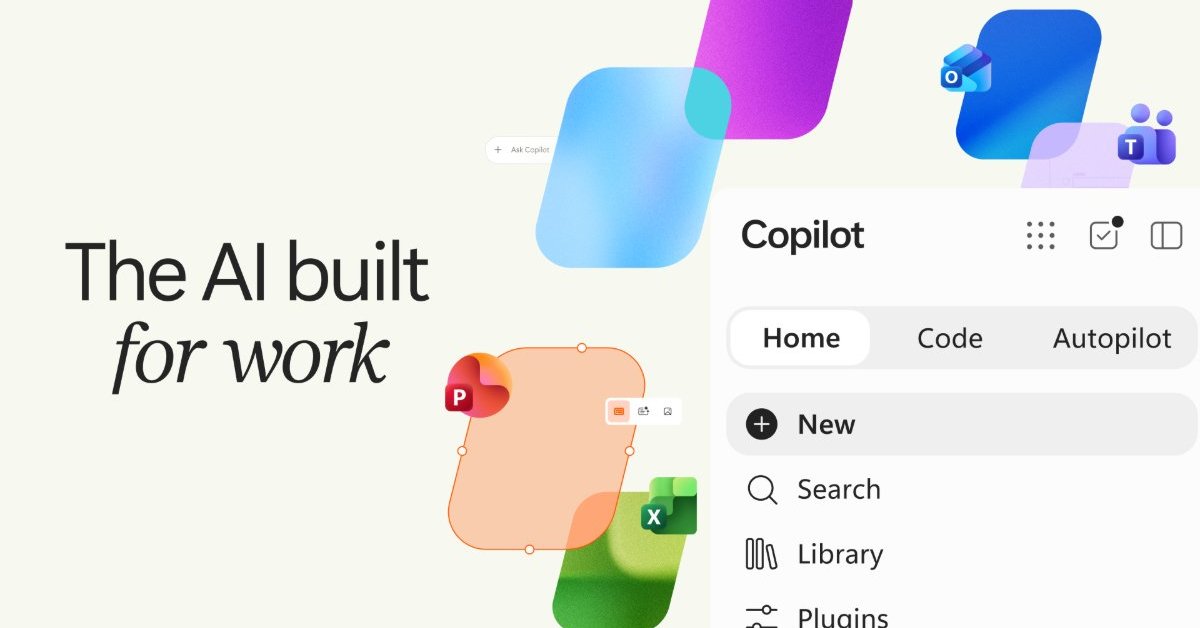
Microsoft said the rebuilt Microsoft Copilot app is built on three tabs — Home, Code and Autopilot — with "Off…
Tracom, a recruiting-support company, reported that as of July 17, 2026 it had cut document creation from 32 h…

Amazon raised its 2026 capital-spending forecast to about $220 billion, largely for AI and cloud infrastructur…
Boom Supersonic CEO Blake Scholl said Crusoe ended its $1.25 billion deal for 29 of Boom's 42-megawatt Superpo…