
Alphabet announced a $205 billion(約33兆円) capital expenditures budget for the year, driven by strong cloud growth and the expansion of its Gemini app to 950 million monthly active users. While the announcement initially spooked investors and caused the stock to slip more than 6%, three AI infrastructure companies are positioned to benefit: Cipher Digital, which leases data center capacity to hyperscalers; Broadcom, which designs Alphabet's custom Tensor Processing Units; and Micron, which supplies memory chips critical to data center operations. Each company has strong growth trajectories backed by multiyear contracts and secured demand.
Summaries like this, in your inbox every morning.
Sign up free →What happened
Alphabet raised its capital expenditures guidance to $205 billion(約33兆円) for the year following a strong second-quarter earnings report in which Cloud revenue grew 82% year over year and the Gemini app reached 950 million monthly active users. Though the stock slipped more than 6% on Thursday, three AI infrastructure suppliers stand to benefit from the higher spending.
Why it matters
Alphabet's commitment to larger capex directly increases demand for the specialized hardware and infrastructure these companies provide. Cipher Digital operates data centers for hyperscalers and projects net operating income will rise from $86 million(約140億円) to $646 million(約1000億円) next year based on secured contracts; Broadcom designs Alphabet's custom Tensor Processing Units (TPUs) and expects AI semiconductor revenue to grow over 200% year over year to $16.0 billion(約2.6兆円); Micron supplies memory chips essential to both custom and general-purpose processors powering data centers. Each company is positioned to capture revenue from Alphabet's expanded investment.
What to watch
Cipher Digital is on target for a 4.2 gigawatt portfolio capacity by 2030 and continues to sign new hyperscaler tenants on 15-year leases. Broadcom's AI semiconductor business already accounts for almost half of total revenue. Micron's management guided for $50 billion(約8兆円) in fiscal 2026 fourth-quarter revenue, a meaningful sequential jump from $41.5 billion(約6.6兆円) in fiscal Q3.
Alphabet reported strong second-quarter earnings on Wednesday, with Cloud revenue up 82% year over year and the Gemini app reaching 950 million monthly active users. However, investors reacted negatively to the company's raised capital expenditures guidance, announcing plans to spend up to $205 billion(約33兆円) this year. The stock fell more than 6% in Thursday trading as a result. Despite the selloff in Alphabet's own shares, the capex guidance points to significantly higher spending on AI infrastructure and custom silicon, which positions three AI suppliers to capture substantial revenue.
Cipher Digital (CIFR) is a pure-play data center provider specializing in colocation services for hyperscalers. Unlike broader cloud providers, Cipher Digital builds and leases AI data centers but does not supply chips or software, keeping its costs lower and offering flexibility for tenants that use custom chips. Alphabet has prioritized its custom-made Tensor Processing Units (TPUs) for its own products and is offering them to smaller cloud companies in direct competition with Nvidia. Cipher Digital's model is particularly well suited to this dynamic because customers bring their own chips and resources. The company is on target for a 4.2 gigawatt portfolio capacity by 2030 and is continuing to sign new hyperscaler tenants. While net operating income remains low because it takes time to turn contracts into recognized revenue, Cipher Digital projects substantial growth: net operating income is expected to rise from $86 million(約140億円) to $646 million(約1000億円) next year based on secured contracts. Revenue will also be highly predictable due to the 15-year leases that Cipher Digital signs with its tenants, meaning Alphabet's commitment to higher capital expenditures should translate into measurable demand for its data center capacity.
Broadcom (AVGO) is the leading designer of application-specific integrated circuits (ASICs) and collaborates with tech giants including Alphabet on custom chips. The TPUs that Alphabet wants to sell or lease to cloud companies are designed by Broadcom. As Alphabet makes TPUs a larger part of its business, demand for Broadcom's chips will increase. Broadcom already delivered strong results: in its fiscal 2026 second quarter, revenue increased 48% year over year, and its AI semiconductor business accounted for almost half of total revenue while growing 143% year over year. CEO Hock Tan told investors to expect AI-related semiconductor revenue to grow over 200% year over year to $16.0 billion(約2.6兆円)—a forecast made before Alphabet revealed its higher capex guidance. As the AI semiconductor segment continues to grow as a percentage of total revenue, Broadcom is expected to deliver accelerated revenue growth rates in upcoming quarters. The higher leverage from increased demand and ongoing shortages of AI processors should also allow Broadcom to charge higher prices and enhance its margins.
Micron (MU) supplies memory chips and components that occupy prominent positions in data center infrastructure, including within the processors that Broadcom designs. Higher demand for TPUs will benefit Micron, and the company's memory also goes into general-purpose data center GPUs such as those produced by Nvidia. Micron's stock price has more than tripled this year, yet the company is positioned for further growth. In its fiscal 2026 third quarter, revenue more than quadrupled year over year, and management's guidance for $50 billion(約8兆円) in fiscal 2026 fourth-quarter revenue would be a meaningful sequential jump from its $41.5 billion(約6.6兆円) in fiscal Q3 revenue. Continued memory shortages have helped Micron secure high profit margins, and the company is signing multiyear deals with customers to make future revenue predictable and cushion the transition if supply eventually catches up with demand. As Alphabet's demand for AI-enabled products grows, the company will need more memory chips to support Google Cloud, Gemini, Waymo, and its search engine. Higher capital expenditures from tech companies broadly typically translate into more sales for Micron.
Alphabet's $205 billion(約33兆円) capex commitment represents a significant escalation in its investment in AI infrastructure and custom silicon. The guidance came after the company reported robust second-quarter performance, with Cloud revenue jumping 82% year over year and the Gemini app crossing 950 million monthly active users. This expansion is particularly notable because Alphabet is doubling down on its own Tensor Processing Units (TPUs) rather than relying solely on third-party chips like those from Nvidia, creating a cascading benefit for the specialized suppliers that power this ecosystem.
For the three companies highlighted, Alphabet's spending increase translates into concrete revenue opportunities. Cipher Digital operates in a particularly favorable position because its asset-light model—providing only data center space and power—aligns with Alphabet's preference for custom silicon. The company's projected jump in net operating income from $86 million(約140億円) to $646 million(約1000億円) next year, based on secured contracts, reflects confidence that Alphabet's capex will translate into actual data center utilization. Broadcom, which designs Alphabet's TPUs, stands to capture share of a segment that the company expects to reach $16.0 billion(約2.6兆円) in annual revenue and grow over 200% year over year. Micron benefits from a broader dynamic: its memory chips are embedded in both Alphabet's custom TPUs and the general-purpose infrastructure that will support expanded AI workloads across Google Cloud, Gemini, Waymo, and search.
The initial market reaction—a 6% decline in Alphabet's stock price—suggests some investors view massive capex as a near-term drag on profitability. However, the three supplier companies signal confidence that this spending cycle will sustain their growth over a multi-year horizon, supported by long-term contracts and secured demand.
AI-summarized, only the topics you pick — one digest a day via Email, Slack, or Discord.
Free · takes 30 seconds · unsubscribe anytime
No comments yet. Be the first to share your thoughts!
Log in to join the discussion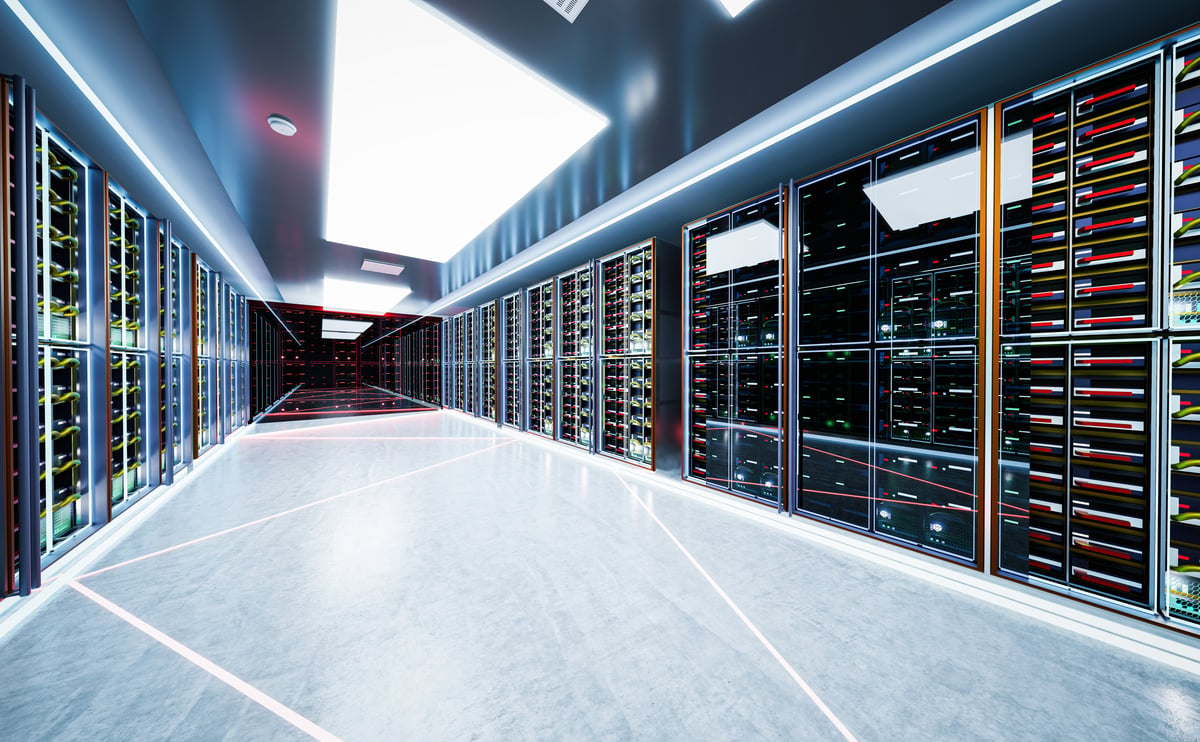




Get curated AI news from 200+ sources delivered daily to your inbox. Free to use.
Get Started FreeFree · takes 30 seconds · unsubscribe anytime
