What happened
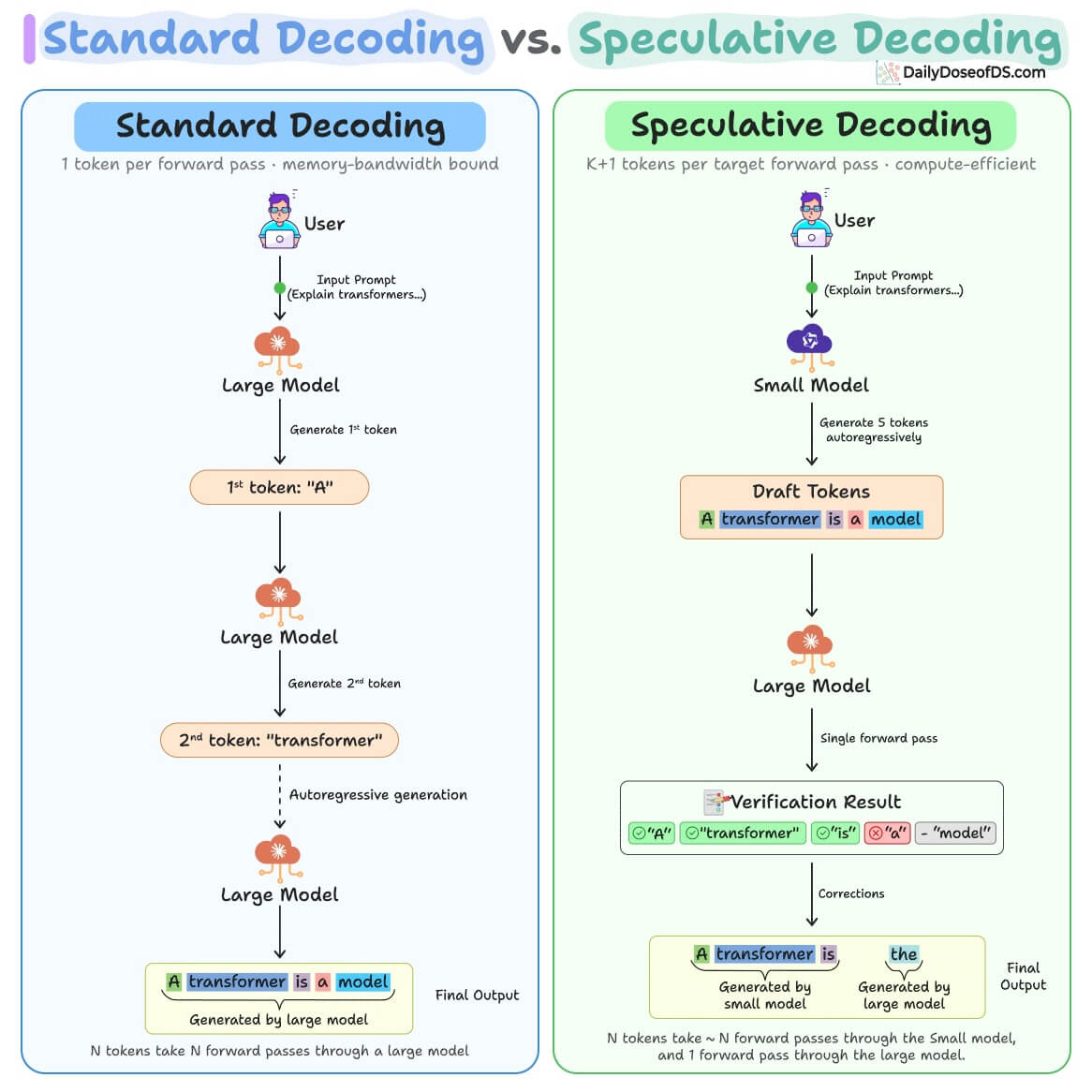
Modal released DFlash draft models for Qwen AI models that use block diffusion instead of traditional sequential token generation. Running Qwen 3.5 122B-A10B with these drafters reached over 1000 tokens/sec on a B200, compared with 250 tokens/sec without speculation.
Why it matters
Speculative decoding has been capped around 2–3× speedup because the small draft model that proposes tokens became the bottleneck. DFlash breaks past this by denoising an entire block of tokens in parallel, and by using the target model's own internal representations to guide drafting, which raises acceptance length from a baseline of 3 to over 9.
What to watch
The DFlash draft models are already integrated with vLLM, SGLang, and Transformers, with draft models available on HuggingFace for Qwen and several other model families. Acceptance length maps nearly linearly to speedup—at length 8, Qwen 3.5 27B achieved 5.62× speedup on one B200.
Summaries like this, in your inbox every morning.
Pick your industry and the AI tools you use, and get news related to your work every day.
Free · 30 seconds with Google · unsubscribe anytimeWhat is AIToday? →
Ask AI anything about this article. The AI reads this article, earlier AIToday articles, and Wikipedia, and cites its sources. Q&As are published on this page for other readers too.
ElevenLabs completed a $300 million employee tender at a $22 billion valuation, and co-founder Mati Staniszews…

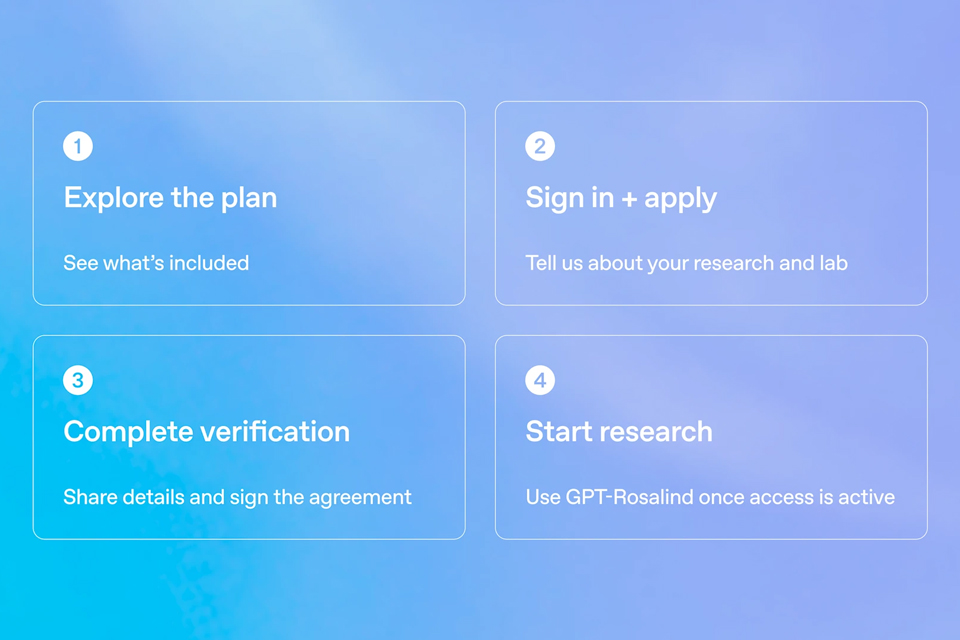
On October 15, OpenAI announced the Rosalind Academic Plan, giving approved US university labs free access to…
A Qiita article compared automated red-teaming methods for LLM apps — GCG, PAIR, and TAP — using mock implemen…

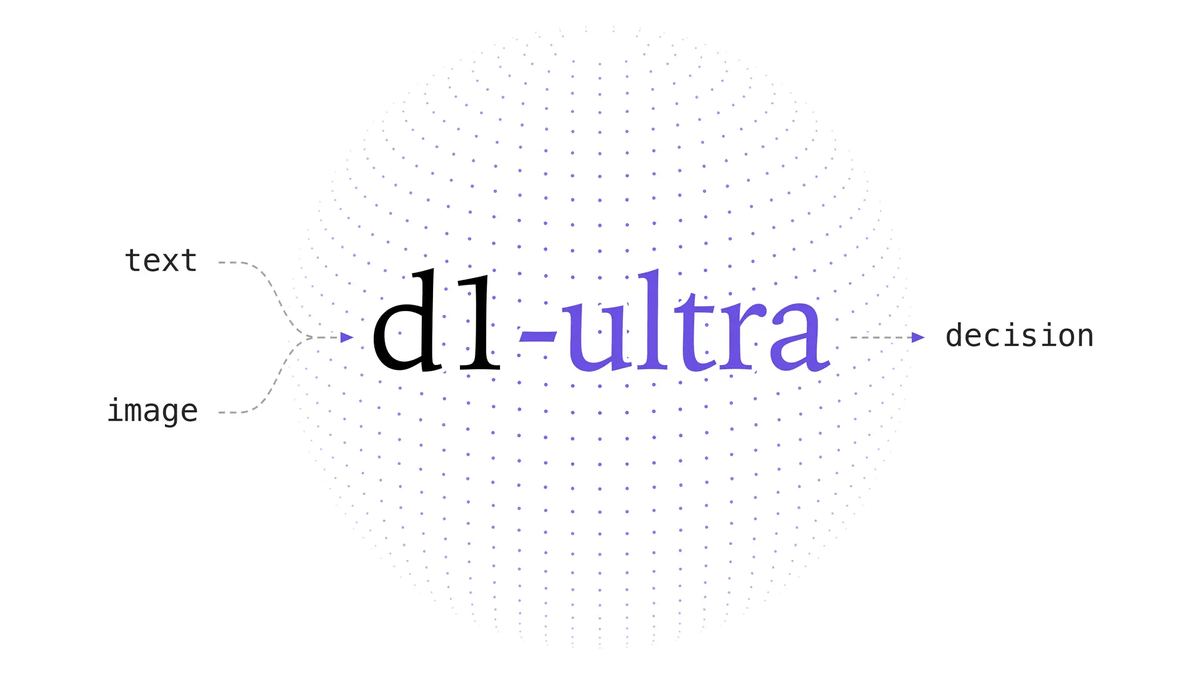
Liquid AI released d1-ultra on October 15, 2026, an upgraded open-weights decision model that averaged 76.7 ac…
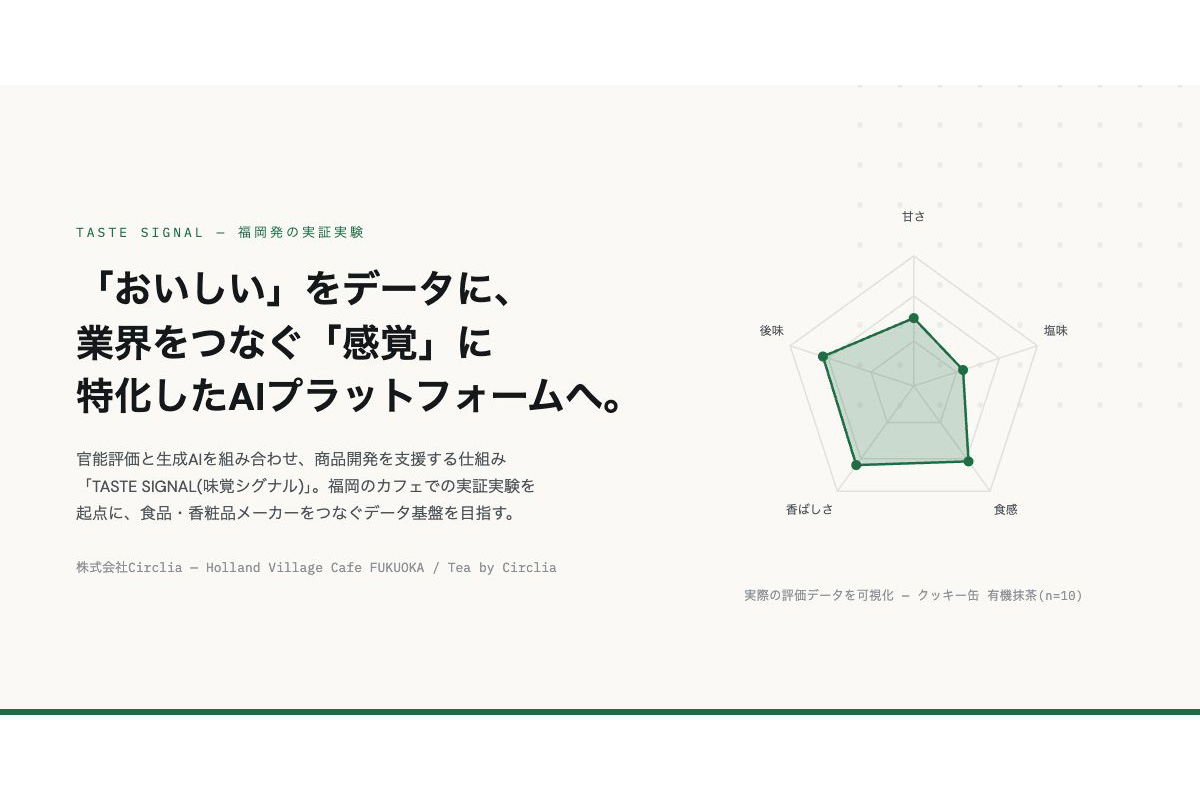
Circlia started a proof-of-concept for TASTE SIGNAL: visitors to Holland Village Cafe FUKUOKA taste cookies an…
In a webinar hosted by French Mathematical Society president Isabelle Gallagher, Fields Medal winner Hugo Dumi…

