What happened
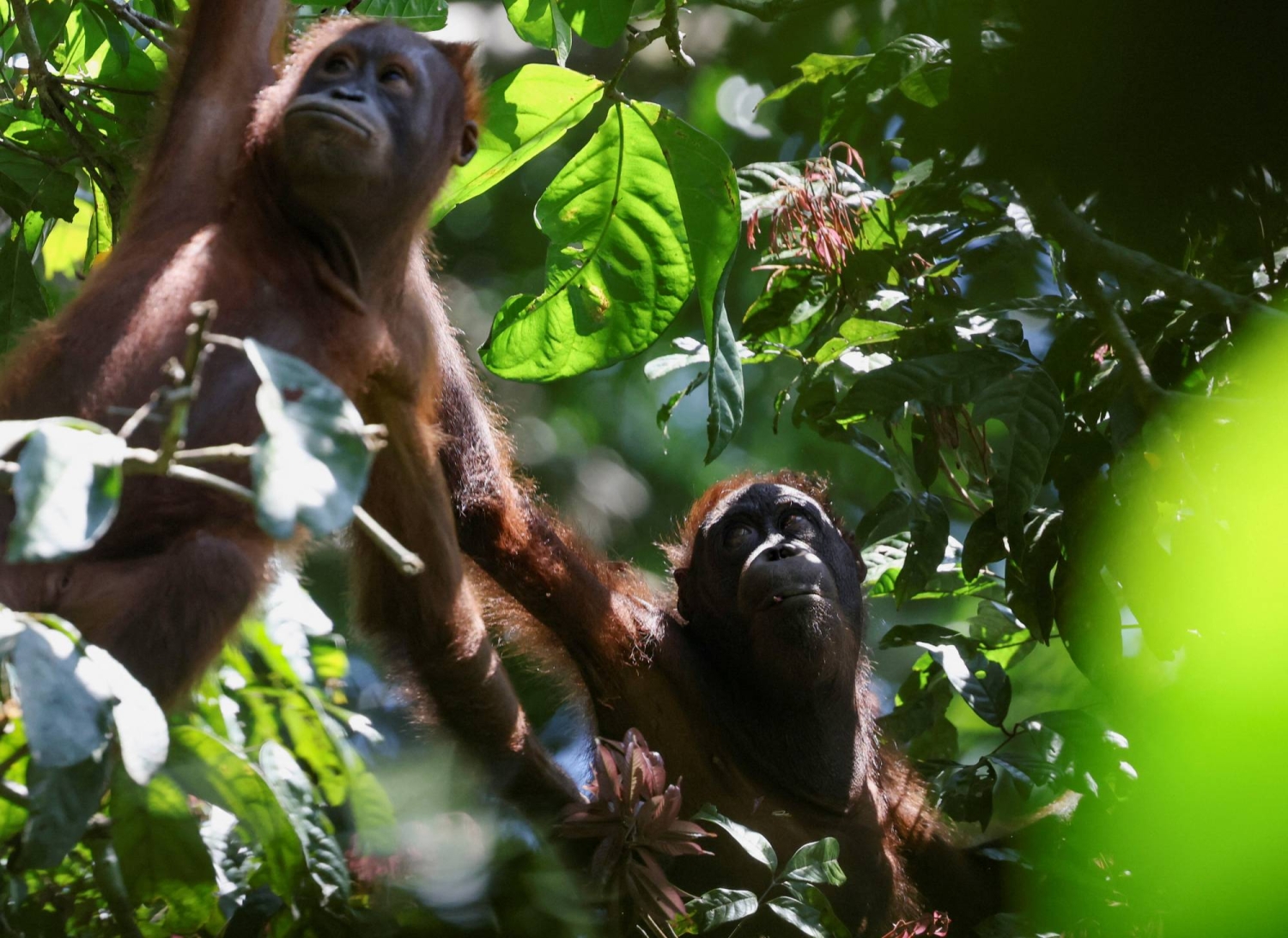
Viral AI-generated wildlife images—such as an orangutan cradling leopard cubs in Malaysia and a pink dolphin in the Philippines—are circulating widely on Facebook, TikTok, and X, often accompanied by false anecdotes. Fact-checkers have debunked scores of these synthetic visuals, and platforms including Meta and TikTok require labels for AI-generated or significantly altered content, though fact-checkers have spotted multiple wildlife posts without clear labels despite users mentioning they were fake.
Why it matters
The hyper-realistic images distort public perception of wildlife behavior, leading people to approach wild animals unsafely—a snow leopard attacked a woman in China's Xinjiang region in January after she tried to photograph it. The fakes also hamper conservation by increasing demand for species as photo props, pets, or social media content, and by causing the public to question authentic footage (when WWF shared video of a tiger with five cubs—never before filmed in East Asia—people asked if it was AI-generated). A September study in Conservation Biology called AI misinformation a "major threat" to society.
What to watch
Scientists warn that AI-generated and manipulated images could compromise citizen science data used for research, as platforms accept wildlife photos and recordings from users. Experts are calling for more robust authentication of submissions and education about image manipulation risks.
Summaries like this, in your inbox every morning.
AI-generated wildlife imagery has emerged as a double-edged threat to both animal safety and conservation science. While the images appear as feel-good content—an orangutan cradling leopard cubs, a pink dolphin leaping—their circulation on platforms like Facebook, TikTok, and X creates a crisis of authenticity that undermines decades of conservation messaging. The real-world consequences are already visible: a woman's attack by a snow leopard in Xinjiang in January reflects how fakes normalize dangerous human-wildlife proximity, and China's forestry department response signals that governments are beginning to recognize the public safety dimension.
The harm extends beyond individual incidents into the fundamental structure of how wildlife science operates and how the public understands animal behavior. When conservationists like those at WWF release authentic footage—such as a tiger with five cubs, never before documented in East Asia—social media users now reflexively question its authenticity, eroding trust in genuine conservation victories. Meanwhile, the synthetic images fuel economic incentives to exploit animals as tourism props or pets, according to researchers at Born Free. A September study published in Conservation Biology formally identified AI misinformation as a "major threat" to society, highlighting both ecological and research integrity concerns. Platforms including Meta and TikTok have implemented labeling requirements for AI-generated or significantly altered content, yet fact-checkers continue to document posts lacking these labels, suggesting enforcement remains incomplete.
Pick your industry and the AI tools you use, and get news related to your work every day.
Free · 30 seconds with Google · unsubscribe anytimeWhat is AIToday? →
Ask AI anything about this article. The AI reads this article, earlier AIToday articles, and Wikipedia, and cites its sources. Q&As are published on this page for other readers too.
Cammarata reinterprets InceptionV1's cat-car neuron as a V-shape detector, not two unrelated concepts
Anthropic gave six METR staffers hardware, office space and internal tools, putting them roughly on par with i…

At TechCrunch Disrupt, Mark Wahlberg said he may use AI to enhance the stadium setting in his upcoming Pete Ro…

A Zenn contributor sorted AI use into three modes — AI as an assistant, AI running alongside people, and AI th…

A developer released agent-guardrails, a one-script Python standard-library plugin that guards Bash, Write, Ed…
A Qiita article compared automated red-teaming methods for LLM apps — GCG, PAIR, and TAP — using mock implemen…


