What happened
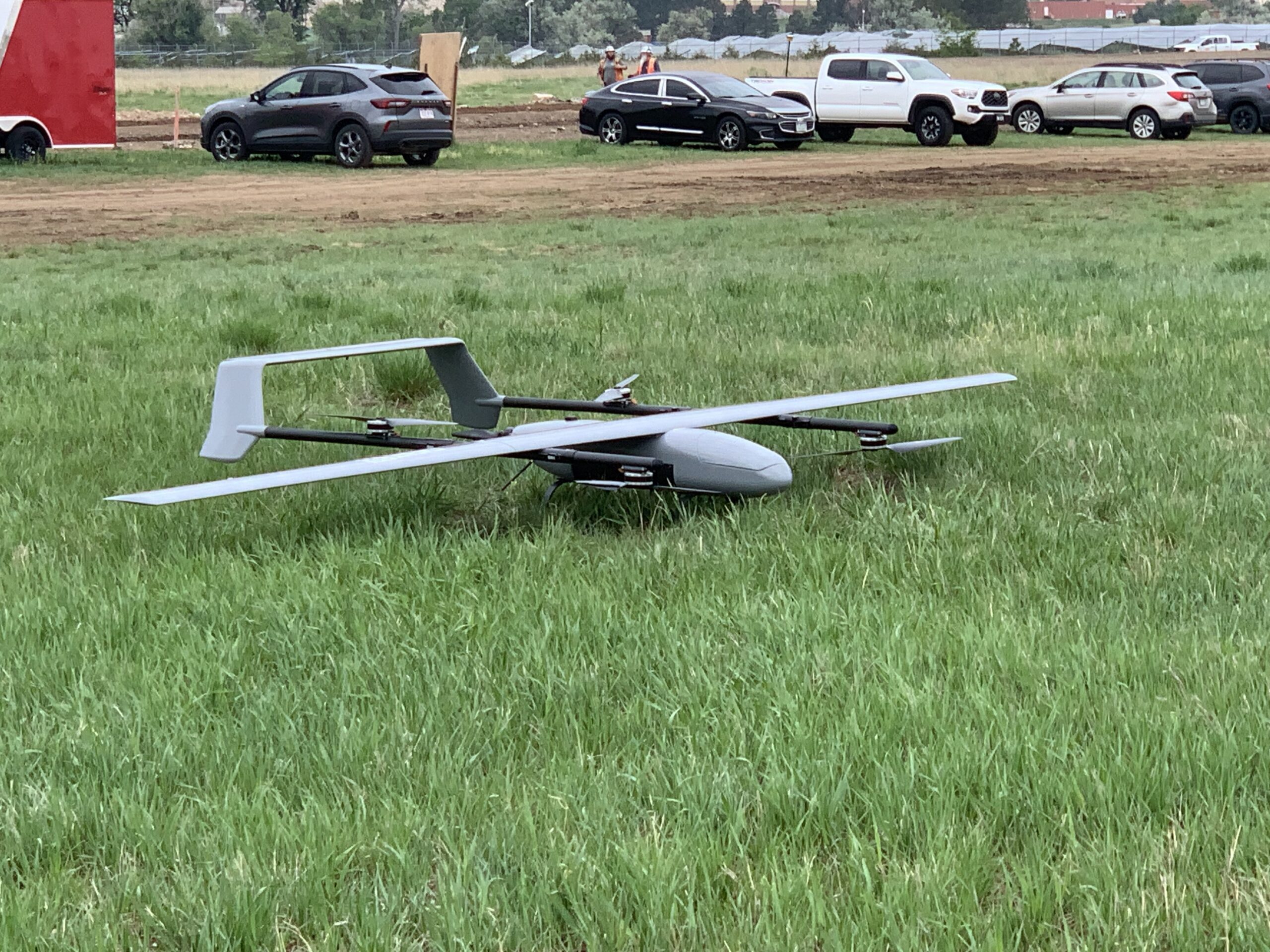
Event 38 Unmanned Systems and TB2 Aerospace announced integration of TB2's Drone Recharging Operational Payload System (DROPS) with Event 38's E455 fixed-wing VTOL aircraft, making the E455 the first fixed-wing VTOL platform to carry the modular system.
Why it matters
The partnership demonstrates a shift toward standardized drone platforms that can swap mission-specific payloads without requiring separate aircraft or redesign. DROPS autonomously captures, launches, delivers, and recovers payloads—including optional supplemental power to extend electric aircraft range—enabling one airframe to handle defense resupply, sensor deployment, communications relay, public safety, and infrastructure inspection.
What to watch
The E455's removable payload bay and open architecture, combined with U.S. manufacturing and NDAA compliance, position it to meet government procurement priorities emphasizing open architectures, secure supply chains, and domestic manufacturing.
Summaries like this, in your inbox every morning.
The announcement reflects a broader strategic shift in the drone industry—particularly among defense and government customers—toward modular, interoperable systems that prioritize open architectures over single-purpose aircraft. Rather than purchasing separate drones for each mission type, operators can maintain a common airframe and swap compatible payloads, much as standardized shipping containers transformed global logistics by enabling cargo to move seamlessly between transport modes. Event 38 and TB2 Aerospace position this integration within the context of U.S. government procurement priorities: domestically manufactured platforms, secure supply chains, and NDAA compliance. By pairing a U.S.-built aircraft with a platform-agnostic payload system, they address both technological flexibility and policy-driven market demand.
Pick your industry and the AI tools you use, and get news related to your work every day.
Free · 30 seconds with Google · unsubscribe anytimeWhat is AIToday? →
Ask AI anything about this article. The AI reads this article, earlier AIToday articles, and Wikipedia, and cites its sources. Q&As are published on this page for other readers too.
ZOZO NEXT and AVITA signed an MOU on joint research into textiles and clothing specialized for humanoid robots…

Day 2 at TechCrunch Disrupt 2026 in San Francisco's Moscone West features speakers from Nvidia, Waabi, Flock S…

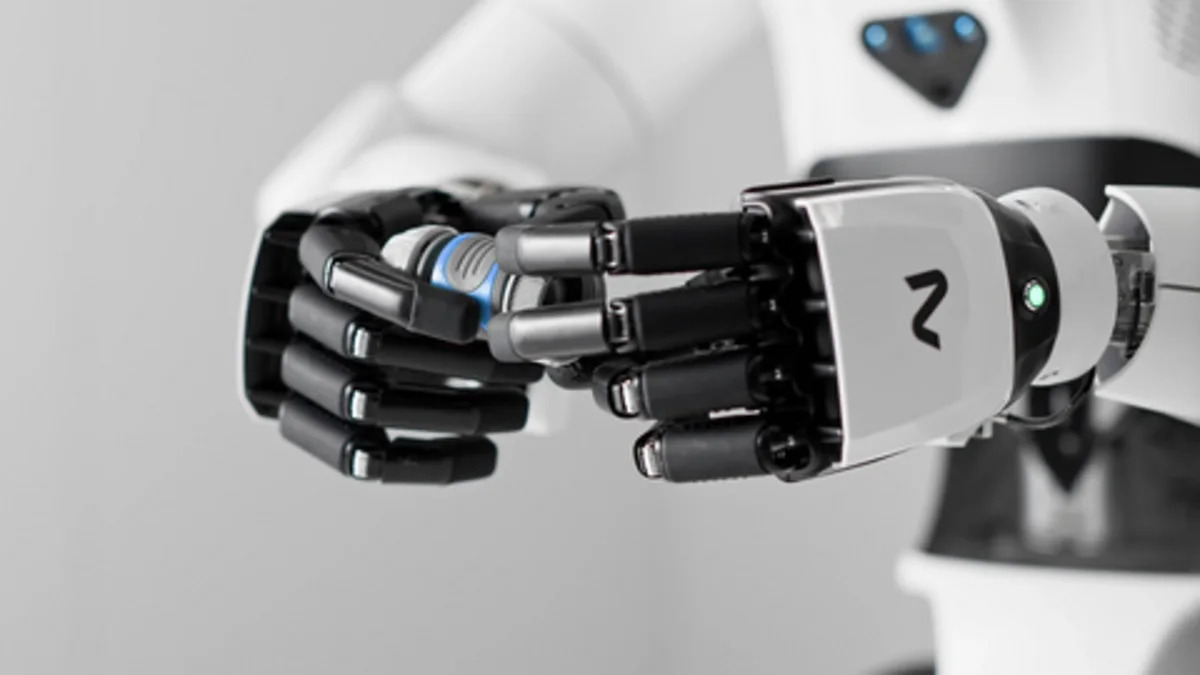
NEURA Robotics introduced Neuron AI, a multimodal foundation model combining 3D vision, touch, audio, robot st…
Dyna Robotics released Dyna-2.1, a physical robot agent built around its Dyna-2 world-action model, which it s…

SoftBank CEO Masayoshi Son spoke about superintelligence, AI investing, and the future of robotics, in a discu…

Scan Computers partnered with Sheffield-based OLO Robotics to combine Scan's robotics hardware with OLO's brow…