What happened
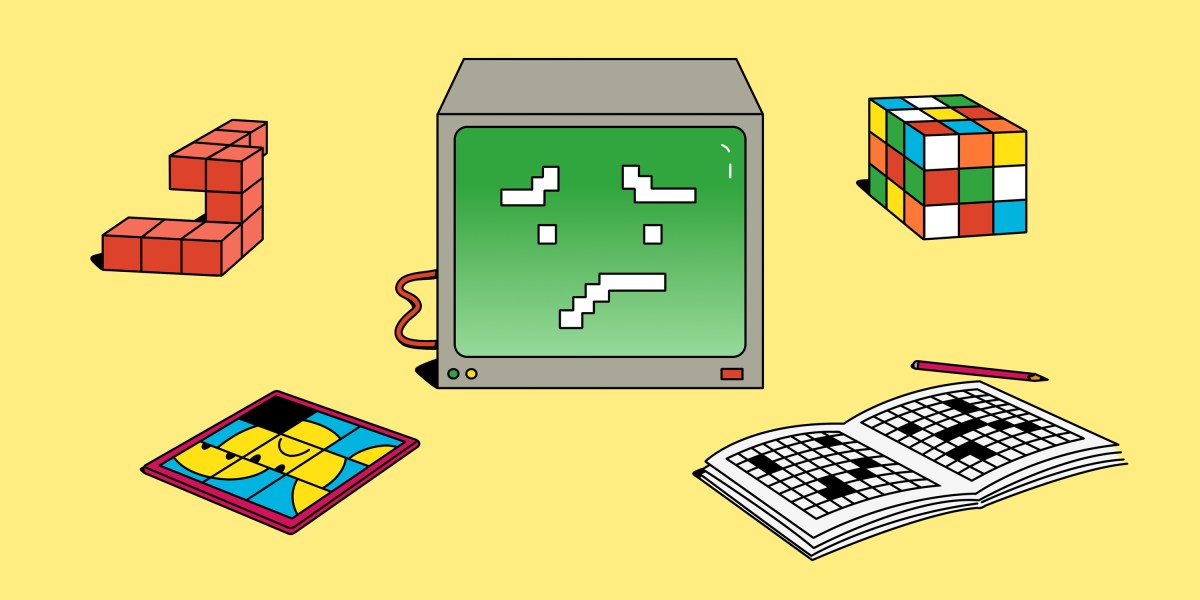
AI models improve rapidly at puzzles, yet still fail at spatial reasoning and visual puzzles. In late 2024, the best models solved only 18% of New York Times Connections puzzles; by early 2025, some solved them near perfectly.
Why it matters
These tests expose where machine and human cognition differ. Subtle changes to classic riddles often trip models up, and visual puzzles remain a weak spot, showing limits despite advances.
What to watch
Try the seven puzzles yourself, from mental rotation to logic grids. Some are tricky for humans; others highlight AI's surprising failures, such as on SimpleBench where top-tier models trip.
Summaries like this, in your inbox every morning.
Puzzles have been central to AI development since the 1959 checkers-playing algorithm by IBM's Arthur Samuel, and now serve to reveal model limitations. While AI solves Connections puzzles near perfectly by early 2025, significant gaps remain.
Spatial reasoning is a key weak spot; language models cannot manipulate 3D objects like architects or mechanical engineers. Similarly, visual puzzles like ARC-AGI show models often use non-generalizable rules, unlike humans who draw on simple visual concepts.
Scale also matters: Apple researchers found models master simple Tower of Hanoi and river-crossing puzzles but falter at six or more disks or people. Logic grid puzzles from the University of Washington, Stanford, and Allen Institute show similar struggles, though commentators question whether this reflects a unique reasoning limitation or normal error as complexity increases.
Pick your industry and the AI tools you use, and get news related to your work every day.
Free · 30 seconds with Google · unsubscribe anytimeWhat is AIToday? →
Ask AI anything about this article. The AI reads this article, earlier AIToday articles, and Wikipedia, and cites its sources. Q&As are published on this page for other readers too.
Google Deepmind's Gemini 4 Argon scored 97.5 percent on ARC-AGI-3 at a cost of $4,800, second only to GPT-6 As…
Cammarata reinterprets InceptionV1's cat-car neuron as a V-shape detector, not two unrelated concepts
Anthropic gave six METR staffers hardware, office space and internal tools, putting them roughly on par with i…

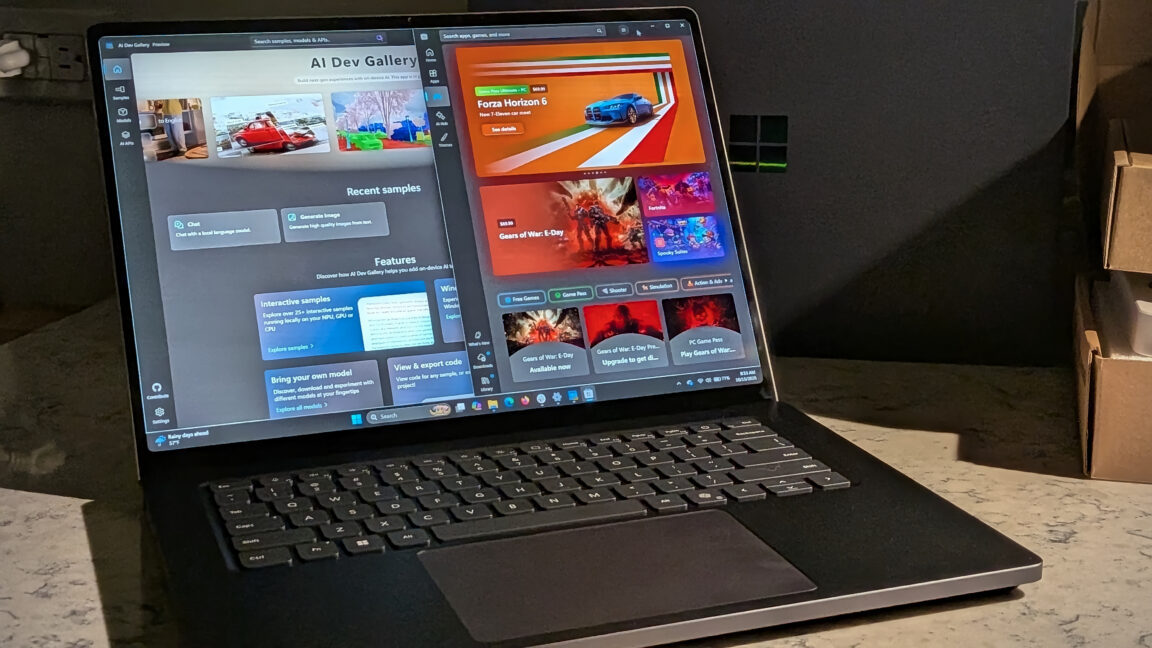
Microsoft's Surface Laptop Ultra, using Nvidia's RTX Spark platform, starts at $2,599 (up to $5,899)
Meta's new commercial terms, effective October 30th, appear to let it crawl and train AI on content from websi…

Vercel data published Thursday shows TypeSafe AI's Jev, a lightweight decision model for choosing among predet…