
What happened
loveholidays, an online travel agent across eight European markets, has adopted OpenAI's Codex to let non-engineers build software. Product managers, designers, and commercial teams now directly contribute to codebases, and over ten new search experiences were built via its Search Playground, with at least three live on the website. AI-assisted code changes rose from 7% a year ago to 79% today, while deployments increased 73% with flat engineering headcount.
Why it matters
The company says Codex turns specialist knowledge into on-tap expertise, so more ideas can become products without waiting for engineering. Successful AI-assisted changes to its Data Platform rose from 58% to 93%, and broader self-service infrastructure success from 63% to 90%. This shift lets engineers focus on complex problems while teams move faster, and it has already cut cloud storage costs by about £36,000 a year and saved another £100,000 annually by reducing data-processing waste.
What to watch
The model hinges on whether other companies can replicate this by codifying best practices into workflows that AI guides users through, as loveholidays does. Watch whether the trend of more deployments without more engineers continues—the company saw a 73% increase in deployments over the same period that AI assistance jumped to 79%.
Summaries like this, in your inbox every morning.
loveholidays' adoption of Codex reflects a broader push to democratize software development, where AI acts as a bridge between business ideas and technical execution. The company's engineers have codified their best practices and validations into workflows that Codex can guide others through, effectively making specialist expertise available on demand. This is evident in the Search Playground, which lets non-engineers prototype customer experiences—leading to over ten new search experiences, several now live.
The measurable gains—AI-assisted code changes rising from 7% to 79% and deployments up 73% with a flat headcount—suggest that AI is shifting engineering work from routine tasks to higher-value problem solving. The reduction in cloud storage and data-processing costs further ties AI adoption to business outcomes, which the CTO emphasizes as the real goal.
The long-term significance hinges on whether this approach can scale beyond loveholidays. The company's vision of a 'general intelligence for travel' depends on making its technology and expertise accessible to more employees, and Codex is increasingly the common interface. If this model proves sustainable, it could change how other firms view the balance between hiring more engineers and empowering existing staff with AI. However, the success relies on continuously updating codified workflows as real-world needs evolve, a process that requires ongoing engineering investment.
Pick your industry and the AI tools you use, and get news related to your work every day.
Free · 30 seconds with Google · unsubscribe anytimeWhat is AIToday? →
Ask AI anything about this article. The AI reads this article, earlier AIToday articles, and Wikipedia, and cites its sources. Q&As are published on this page for other readers too.
In Q2, billionaires or their funds sold six 'Magnificent Seven' AI stocks

Nvidia was rising early Friday, even as the wider chip sector kept falling, Barron's reported

ElevenLabs completed a $300 million employee tender at a $22 billion valuation, and co-founder Mati Staniszews…

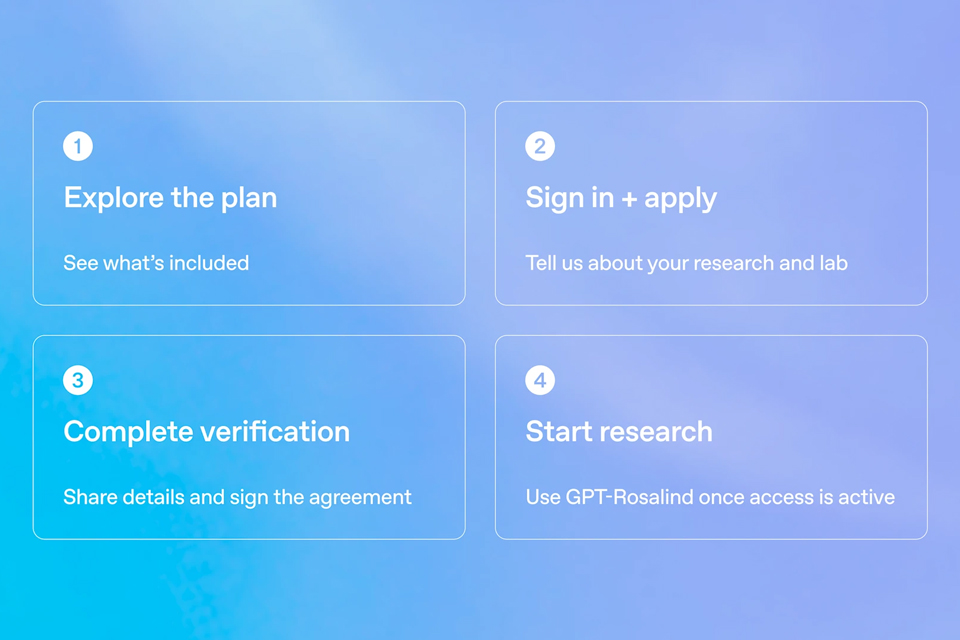
On October 15, OpenAI announced the Rosalind Academic Plan, giving approved US university labs free access to…
Neostellar Capital principal Evan Schlossman said CoreWeave's $103.7 billion in remaining performance obligati…

A Qiita article compared automated red-teaming methods for LLM apps — GCG, PAIR, and TAP — using mock implemen…