What happened
On September 16, NVIDIA, Google and Emerald AI launched the AI Energy Management Alliance (AEMA), joined by 18 partners including Anthropic, National Grid and AES.
Why it matters
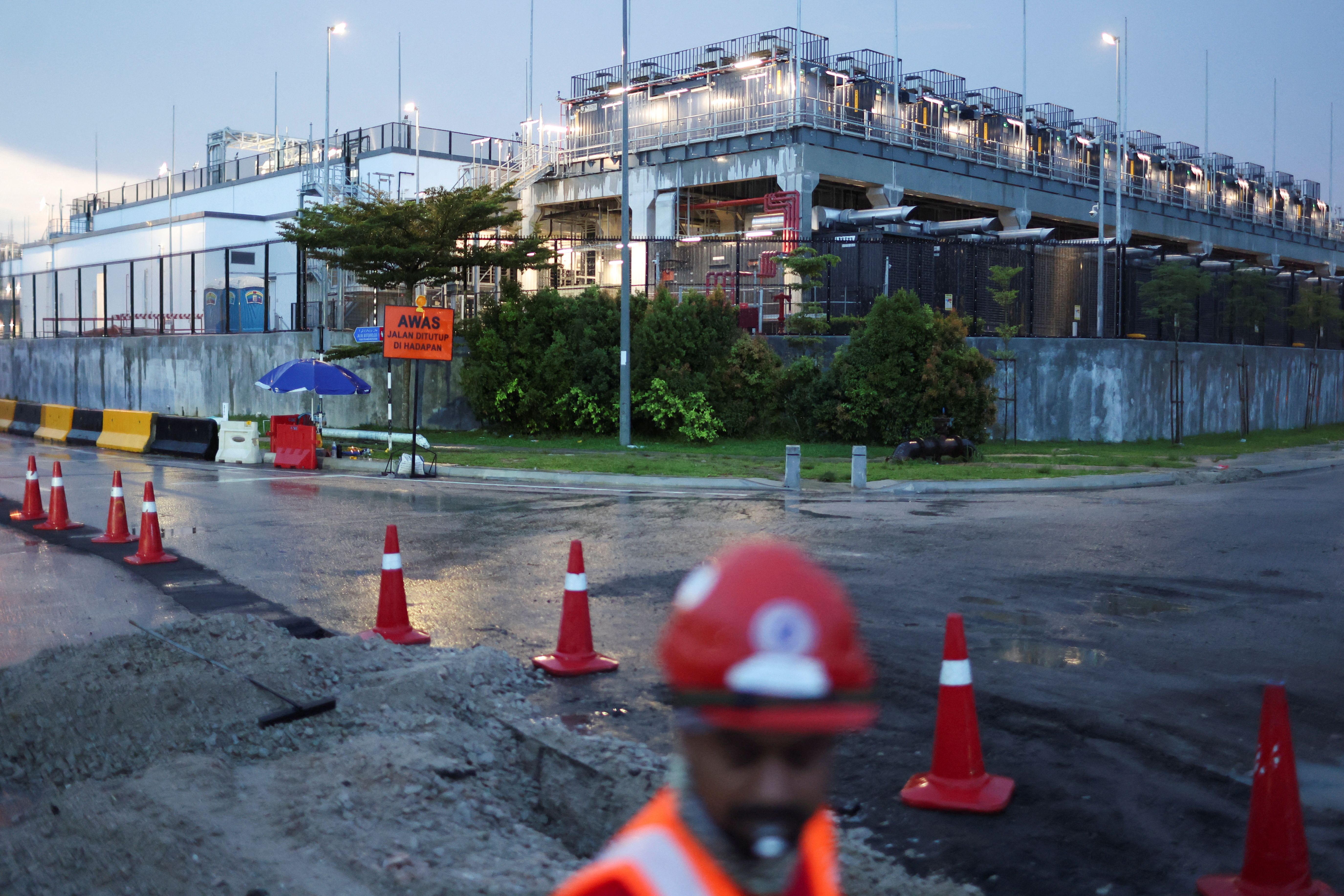
AEMA members are pushing flexible data centers that can trim or shift power use, which could let utilities connect AI facilities faster and avoid costly grid upgrades.
What to watch
Director Tyler Norris has argued that cutting demand for under 100 hours a year could free tens of GW of capacity, and Google says it already has 1 GW of reducible demand under contract.
WHO IT HITSThis lands on data center operators and utilities planning AI capacity, who may gain faster grid connections if flexible demand software like Emerald AI's proves reliable. It also matters to utility regulators weighing who pays for grid upgrades.
Summaries like this, in your inbox every morning.
The launch comes as data centers face growing pushback across the U.S. over their strain on power grids and household electricity bills. A survey released the same day by AP-NORC and the University of Chicago's Energy Policy Institute found that 84 percent of Americans are concerned about the impact on local electricity rates, and majorities of both Democratic and Republican supporters say data center developers should bear the cost of grid upgrades. That pressure gives the alliance's technical pitch — that shifting or reducing power use can unlock capacity without waiting years for new transmission lines — a political as well as an engineering rationale.
The group's approach is to avoid favoring any single technology and instead set standards around how quickly and for how long a data center can respond, how it behaves in emergencies, and what obligations it must meet before connecting. If those standards gain traction, utilities could have a clearer basis for connecting AI facilities sooner, while developers might face new performance requirements rather than simply demanding more power.
Much depends on whether flexible demand can be delivered reliably at scale. Norris points to research suggesting that trimming power for fewer than 100 hours a year could release tens of GW of capacity, and Google says it has already contracted for 1 GW of reducible demand. Whether that model becomes the default for AI buildouts — or remains a niche tool — will likely hinge on how quickly standard metrics and verified performance translate into actual grid connections.
For example, today's edition would include:
AI-summarized, only the topics you pick — one digest a day via Email, Slack, or Discord.
Free · 30 seconds with Google · unsubscribe anytimeWhat is AIToday? →
Ask AI anything about this article. Q&As are published on this page for other readers too.
Britain's royal household announced that King Charles hosted an AI summit at Dumfries House on September 17, d…

Shiseido Japan's AI agent for ingredient discovery cut search time by 95% and increased proposed ingredient ca…

Microsoft is phasing in a consolidation of its Microsoft 365 Copilot app and experience into Microsoft Copilot…

Palantir Technologies drew fresh focus after AI-focused partnerships with Method Security, NVIDIA and Nebius…

Novo Nordisk will partner with Anthropic to speed up drug development
Goldman Sachs economists said surging exports of high-end equipment for AI data centers are set to drive GDP g…