
What happened
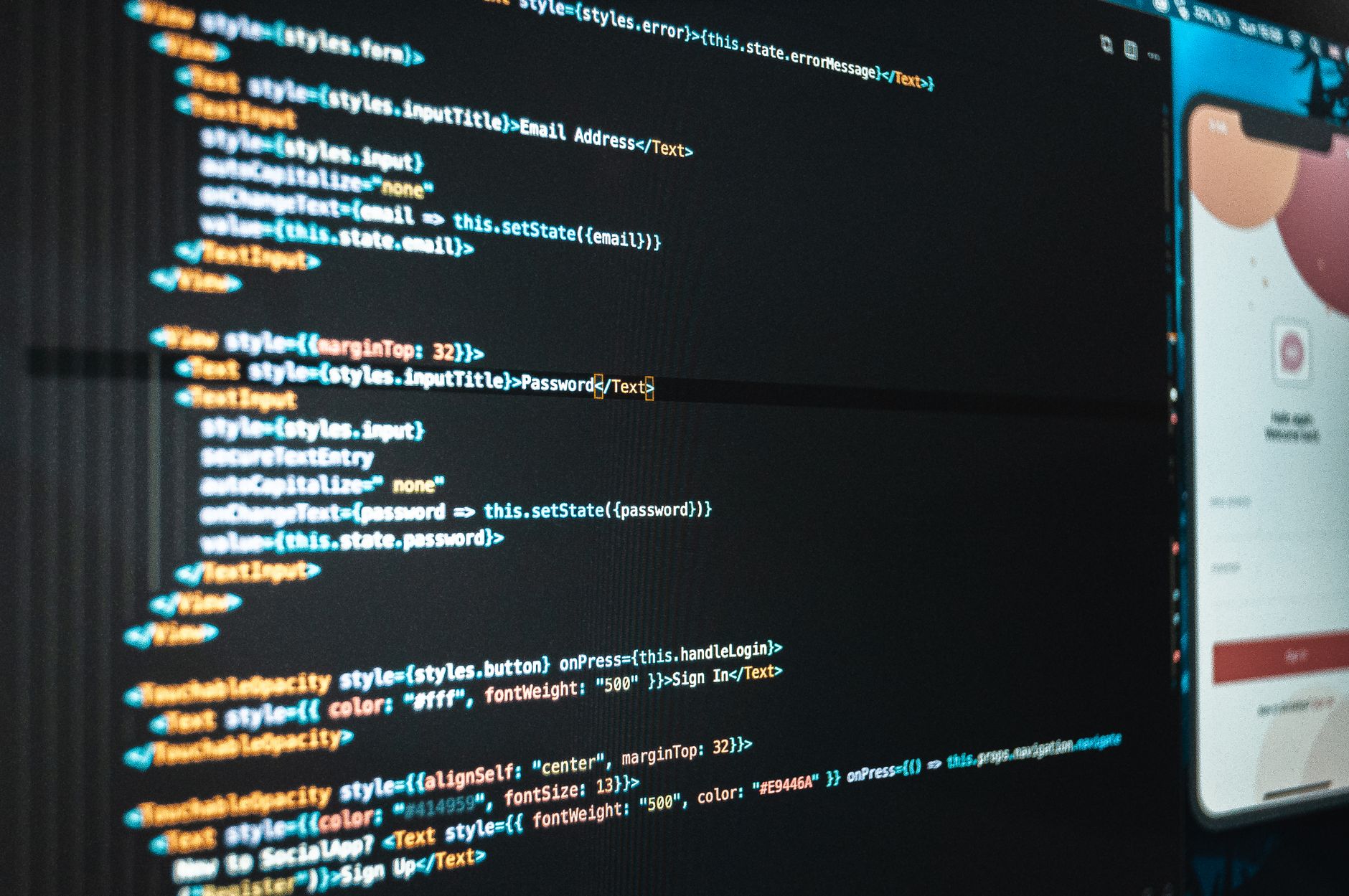
@da-shina built the iOS app NekozeFix, which alerts users to slouching with a BGM cue, and found AI-written logic that passed on paper failed on real devices, including bone-display misalignment and jittering judgments.
Why it matters
The failures show that AI-generated implementation can look logically sound but still break due to physical factors like camera orientation and sensor noise, so developers need to verify on actual hardware and feed those findings back into the spec.
Summaries like this, every morning.
@da-shina, a developer at Apple World, built the iOS app NekozeFix and encountered a gap between AI-generated code and real-device behavior. The core lesson is that AI can produce code that is logically consistent but fails when confronted with physical realities such as camera orientation, sensor noise, and OS deprecations. By adopting a loop of device testing, spec revision, and ADR (Architecture Decision Records) documentation, the developer was able to correct issues like a 90° offset in coordinate systems and reduce deprecated API warnings from 15 to zero. This experience suggests that for individual developers using AI, maintaining a feedback loop between real-world testing and specification updates may be more effective than expecting AI to handle all edge cases upfront.
Pick your industry and the AI tools you use, and get news related to your work every day.
Free · 30 seconds with Google · unsubscribe anytimeWhat is AIToday? →
Ask AI anything about this article. The AI reads this article, earlier AIToday articles, and Wikipedia, and cites its sources. Q&As are published on this page for other readers too.
Writing from roughly eight years of engineering experience, about three of them in AI development, the author…
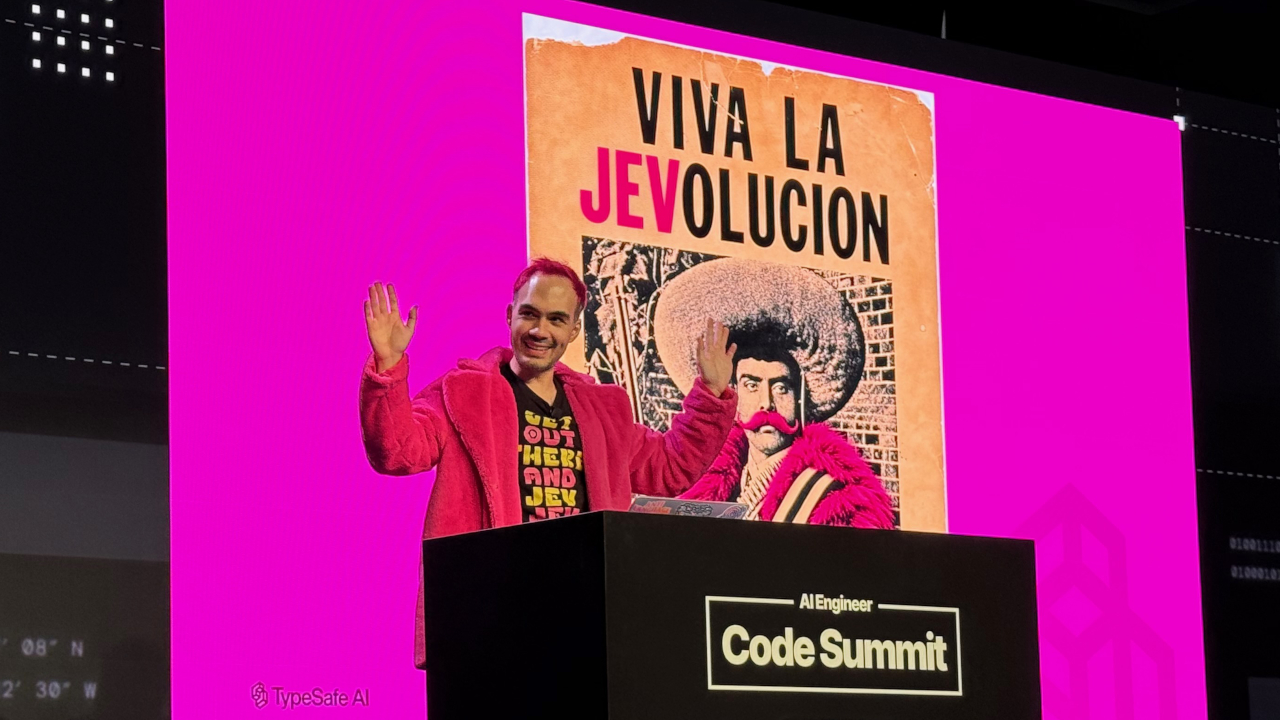
At the AI Engineer Code Summit, TypeSafe AI CEO Diogo Almeida called Jev "reliable intelligence" and urged eng…
Issey at Dress Code logged five failure patterns from September–November Claude Code and Codex sessions, such…

At Inflearn, engineer Poka describes a filter built from TfidfVectorizer, an SGDClassifier model running on AW…
A Zenn writer who opted out of model training on claude.ai found Claude Code drafting a "Bug report drafted" r…

A Kiva engineer published a hands-on account of using Orca, an Agent IDE, to run 6–10 AI agent sessions in par…