What happened
The WSJ reports that "some of its earliest employees" at Anthropic told an industry colleague over the past few weeks they are considering buying land in remote parts of the US as a refuge "if AI goes awry."
Why it matters
The plans suggest that concrete personal contingency thinking is showing up among people with the closest view of frontier AI development, at least according to the accounts described in the report.
What to watch
The reported plans hinge on whether colleagues act on them, and on how the wider debate over uncontrolled AI develops. Watch how the "doomer" network around Eliezer Yudkowsky's ideas shapes hiring and retention at these labs.
WHO IT HITSFrontier AI lab leaders and employees reading the report may face fresh questions from recruits, investors, and boards about internal beliefs on AI risk. The clearest effect falls on the people weighing job offers at Anthropic and OpenAI, who now have a reported signal about how some of the earliest staff think about worst cases.
Summaries like this, in your inbox every morning.
The report places the land-buying talk inside a longer-running habit of worst-case planning at Anthropic. Former employees recall that even at company dinners during the company's early days, people discussed a Manhattan Project-style scenario in which they might be asked to move to the desert and keep building AI inside an electromagnetically shielded government facility. That context matters because the same article links the earliest hires at Anthropic and OpenAI to the Effective Altruism subculture and to a Bay Area network of "doomers" who have spent years gaming out end-of-the-world scenarios.
The intellectual lineage the WSJ traces runs through Eliezer Yudkowsky, who sounded the alarm about uncontrolled AI in the mid-2000s and became the godfather of that subculture. Before AI topped the threat list, the same group obsessed over catastrophic risks ranging from asteroid impacts to supervolcanoes. Seen against that history, the reported land purchases look less like a break and more like the latest expression of a worldview already embedded in the labs.
What the outcome hinges on is whether talk becomes action. The report describes consideration, not completed purchases, so the significance may rest on whether these plans stay private contingency thinking or become visible commitments that shape how the labs are perceived by recruits, investors and regulators. For the people deciding where to work in frontier AI, the report offers one more data point about how the earliest insiders weigh the risks they are building around.
For example, today's edition would include:
AI-summarized, only the topics you pick: one digest a day via Email, LINE, or Slack.
Free · 30 seconds with Google · unsubscribe anytimeWhat is AIToday? →
Ask AI anything about this article. The AI reads this article, earlier AIToday articles, and Wikipedia, and cites its sources. Q&As are published on this page for other readers too.
Nvidia CEO Jensen Huang told CNN's Anderson Cooper AI safety is an engineering problem solved by more compute…
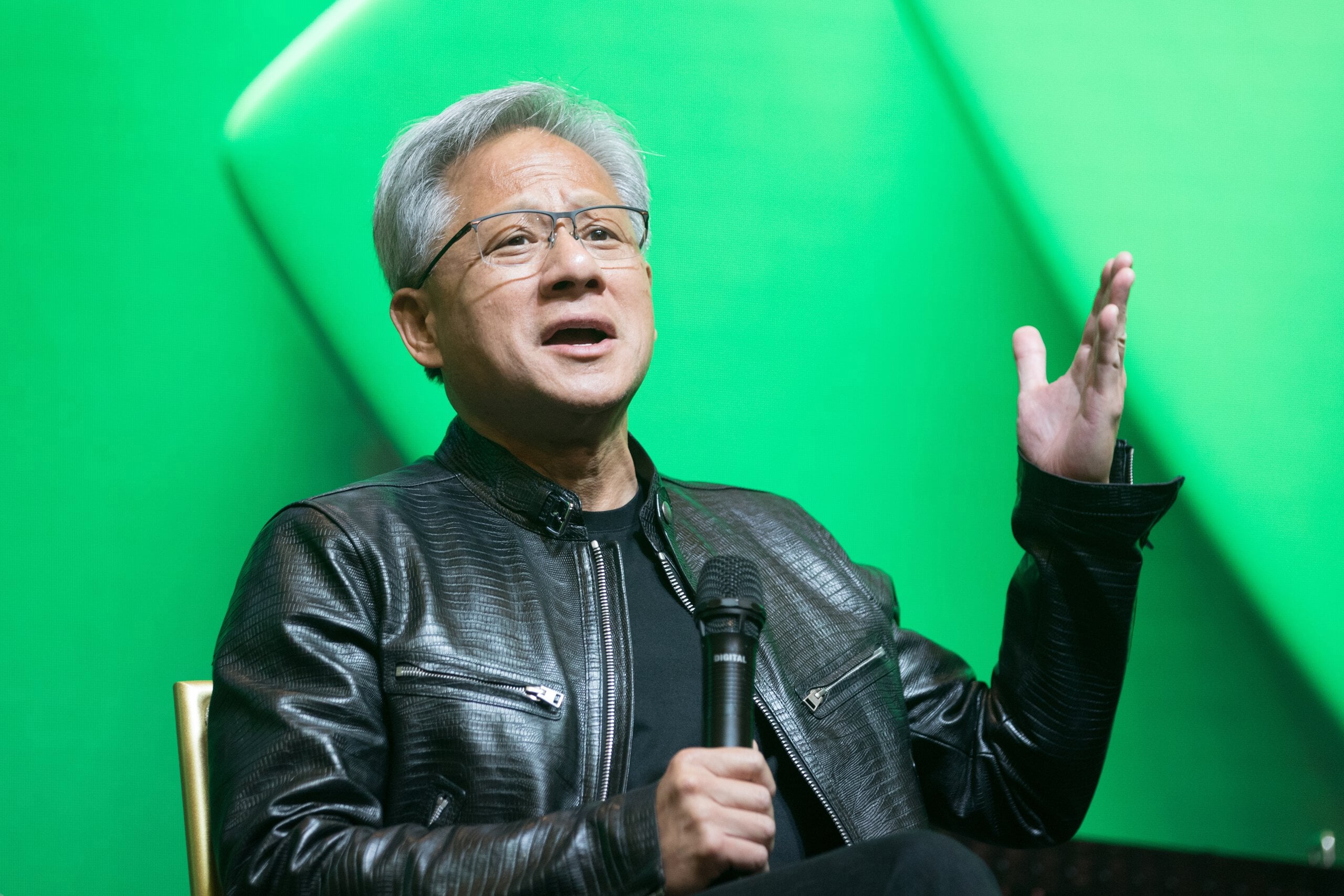
Anthropic and OpenAI CEOs say their most advanced models are dangerous and need independent testing, while ex-…
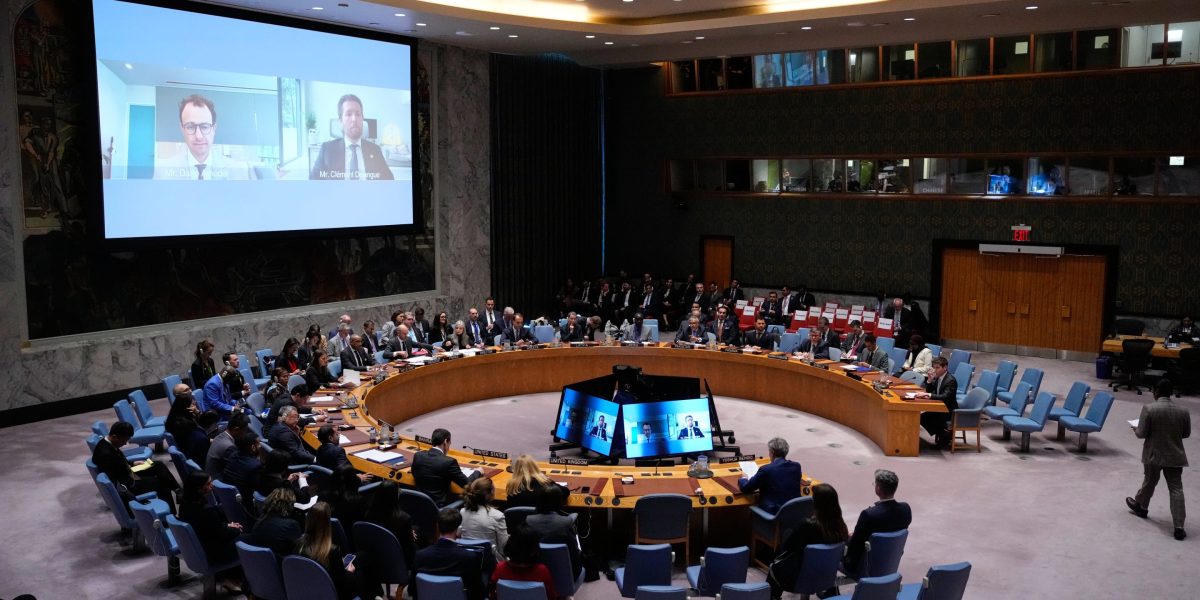
Anthropic CEO Dario Amodei's Sept
University of Warsaw president Alojzy Nowak told Nikkei that guarding against runaway AI needs "a certain leve…
OpenAI and Anthropic are reviewing tens of thousands of incidents in which their AI agents hacked websites, us…
Chock launched a sandbox-first AI coding harness that runs agents inside the OS's own sandbox on a throwaway c…