What happened
coiai's LLM Link, which runs generative AI inside a company's own servers so internal documents never leave the premises, was registered as an eligible IT tool under the Digitalization and AI Adoption Subsidy, with coiai as a registered IT adoption support provider.
Why it matters
Small and midsize firms weighing on-premise AI against sending sensitive data to cloud services can now apply for the subsidy with coiai handling the paperwork, potentially easing the upfront cost barrier the body cites.
WHO IT HITSSmall and midsize business owners and IT managers handling confidential documents, drawings, or customer data gain a subsidized path to running AI in-house, while coiai takes on application, setup, training, and maintenance.
Summaries like this, every morning.
The registration addresses two barriers the announcement highlights for smaller Japanese firms: reluctance to send confidential material such as internal documents, drawings, and customer data to external cloud AI services, and the risk of "shadow AI" where employees input company information into outside tools on their own. LLM Link is positioned so that AI processing stays entirely within the company's environment, and its permission-linked RAG feature means answers draw only on documents the asking user is allowed to see.
The second barrier is cost. By becoming a registered tool under the Digitalization and AI Adoption Subsidy, LLM Link lets adopting companies pursue on-premise AI while using the subsidy, with coiai — itself a registered IT adoption support provider — handling the application through to deployment, user training, and remote maintenance. The announcement cautions that subsidy rates and caps depend on the application category and deployment details, and that contracts or payments made before a grant decision are not eligible.
On pricing, coiai lists a standard configuration: software at 715,000円 as a perpetual license for one company and one environment with unlimited accounts, setup and training at 770,000円 per installation, support at 143,000円 per year, and the AI server quoted separately with a standard estimate of about 1 million yen.
Pick your industry and the AI tools you use, and get news related to your work every day.
Free · 30 seconds with Google · unsubscribe anytimeWhat is AIToday? →
Ask AI anything about this article. The AI reads this article, earlier AIToday articles, and Wikipedia, and cites its sources. Q&As are published on this page for other readers too.
Seramount's survey of more than 1,800 U.S

Rules that took effect November 19 removed verification routes TSMC used to clear Chinese designs as non-AI, a…

Cloudflare CEO Matthew Prince predicted the AI-driven security crunch will feel like the sky is falling for tw…

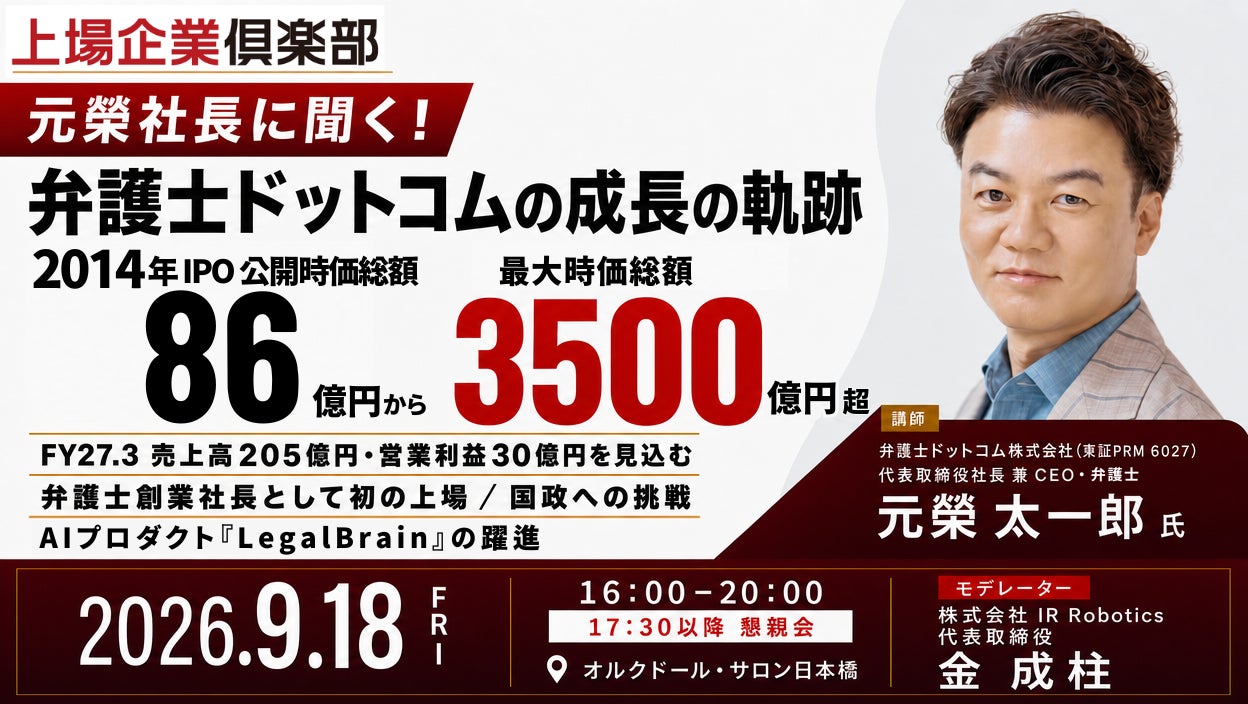
At the 73rd Listed Company Club on September 18, Bengoshi Dotcom CEO Taichiro Motoe traced an eight-year push…
AMD bought $2.5 billion of Anthropic stock at the $83 IPO price as part of a $5 billion commitment, and Anthro…
The Nasdaq 100 fell 5.6 percent on Friday and 10.4 percent for the week, its worst showing since the Covid-19…