What happened
The author built Token Dashboard on a 9.2-inch TURZX USB smart display with a 1920×462 px bar screen, showing this month's token usage and time until reset for Claude, Cursor, Codex and Gemini.
Why it matters
A dedicated screen never covers other windows and is never covered by them, so heavy users of several AI coding tools can check spend and remaining quota in one fixed spot rather than hunting through each app.
What to watch
Only the verified unit is recommended, since OEM-lookalikes may not work because of different firmware and communication specs. The dashboard also needs USB rather than HDMI, since images are sent as packets over USB Bulk transfer.
WHO IT HITSThis lands on developers and engineers who run several AI coding subscriptions at once and want quota and spend visible without stealing screen space. It may also interest makers who build hardware status displays for their desks.
Summaries like this, in your inbox every morning.
Token Dashboard came out of a simple annoyance: as people adopt more than one AI coding tool, usage limits have become a thing you have to keep checking. Existing tools such as Token Monitor already show this, but the author's objection is placement — anything drawn in the topmost layer of the screen gets in the way of other windows, and anything else can be covered up.
The build itself leans on hardware made for a different purpose. The TURZX display family was designed for PC status readouts, and the model chosen here is a 9.2-inch ultrawide bar at 1920×462 px that fits behind a keyboard or under a monitor. The article also notes the family comes in other shapes and sizes, from a 2.1-inch circular screen to 8.8-inch and 12.3-inch bars, so the same idea can be rearranged for a desk of any shape.
Technically, the interesting part is that the screen is not driven like a normal monitor. Instead of an HDMI signal, images are pushed over USB Bulk transfer as JPEG or PNG packets, and once an image arrives it stays on screen until the next one is sent — so updates only need to go out when a value changes. Each packet is a 512-byte header plus the image, with the first 504 bytes encrypted using DES-CBC with the shared key slv3tuzx, followed by a marker and the image body.
What makes this useful to anyone beyond the author is how narrow the gap is between reading about it and trying it. The article lays out the packet format, a minimal Go example that assembles the packet, and links to a detailed protocol write-up and the real implementation, while the app route needs only an installer and a USB connection. The main uncertainty sits on the hardware side: the author warns that equivalent-looking displays sold by other sellers may not work because of firmware and communication differences, so the outcome for a reader likely hinges on whether they can get a verified unit — or confirm for themselves that a cheaper one speaks the same protocol.
Pick your industry and the AI tools you use, and get news related to your work every day.
Free · 30 seconds with Google · unsubscribe anytimeWhat is AIToday? →
Ask AI anything about this article. The AI reads this article, earlier AIToday articles, and Wikipedia, and cites its sources. Q&As are published on this page for other readers too.
Circlia started a proof-of-concept for TASTE SIGNAL: visitors to Holland Village Cafe FUKUOKA taste cookies an…

In a webinar hosted by French Mathematical Society president Isabelle Gallagher, Fields Medal winner Hugo Dumi…

NVIDIA released Nemotron 3.5 Super VL, an open-weight model with 120 billion parameters that handles text, ima…
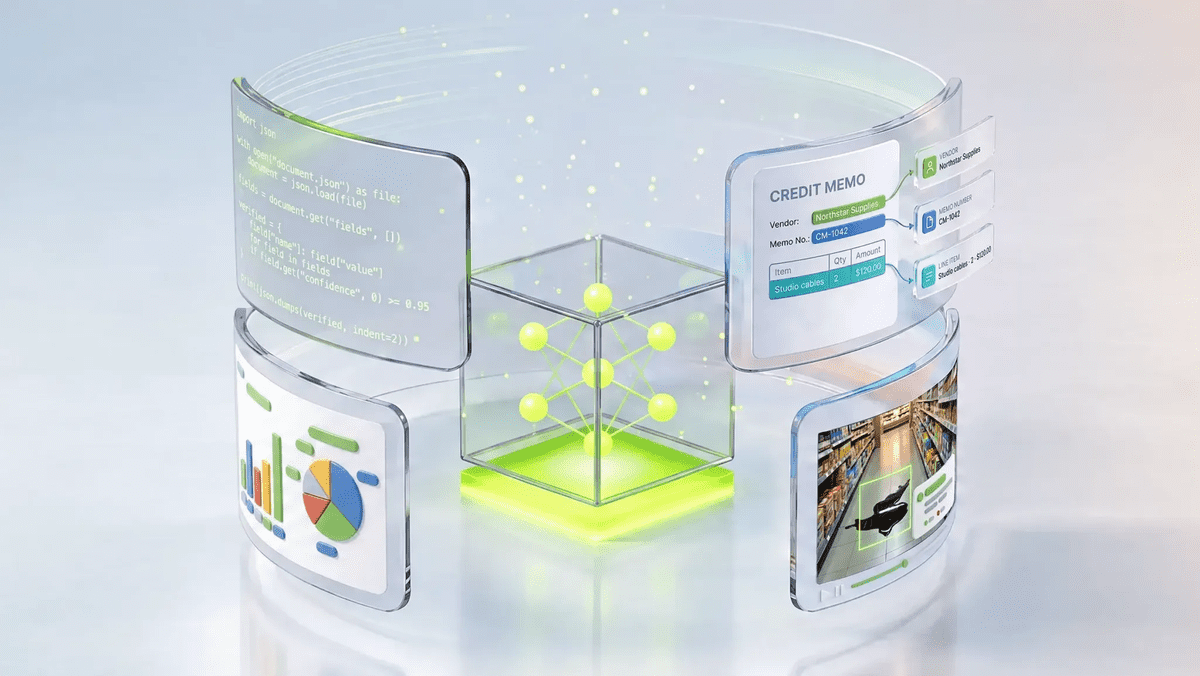
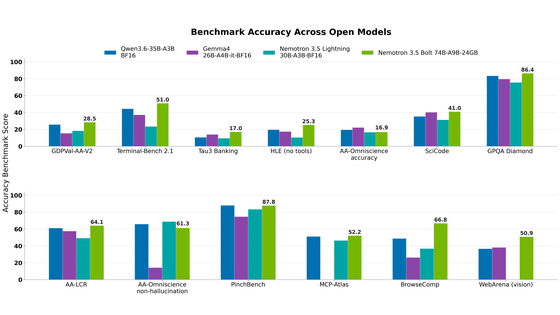
NVIDIA released Nemotron 3.5 Bolt 74B-A9B 24GB, an AI model for local agents that hits over 80 tokens per seco…
NVIDIA published a blog post titled "AI Security Is an Engineering Problem - How to Solve It at Every Layer of…

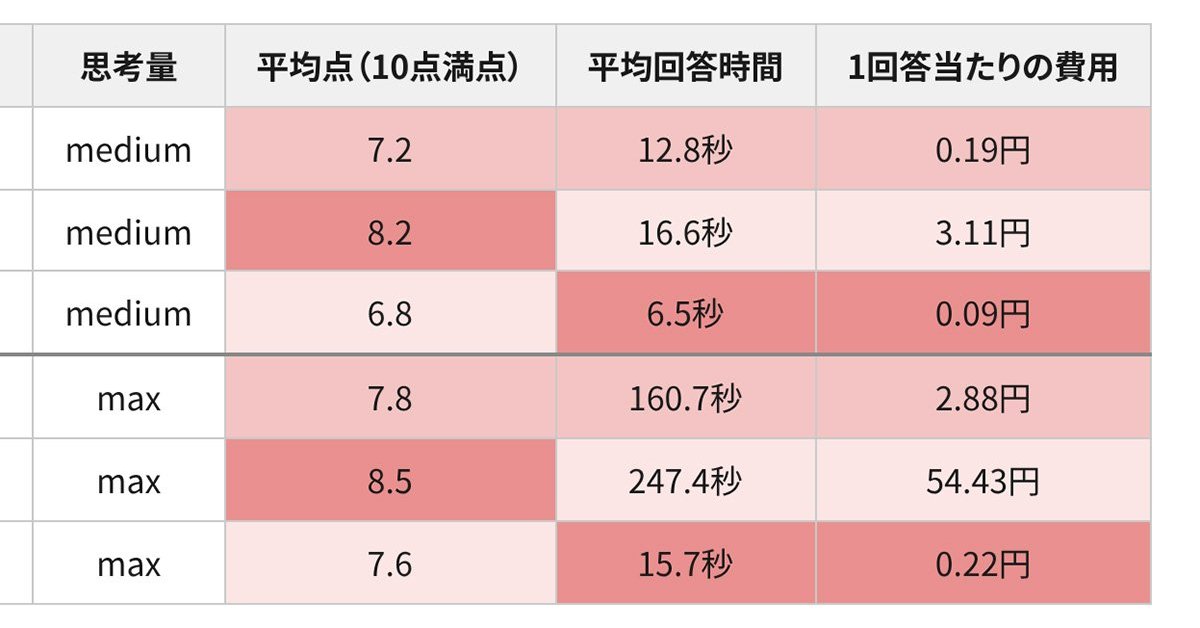
In the test, Haiku 5.5 on medium setting averaged scores close to Sonnet 5.5 on routine documents at about 1/1…