What happened
Apple filed a trade secrets lawsuit against OpenAI, alleging a pattern of misconduct aimed at recruiting current and former Apple employees to share confidential information—including naming OpenAI's chief hardware officer Tang Tan. OpenAI responded that it is "not aware of any evidence that this complaint has merit."
Why it matters
The lawsuit threatens OpenAI's plans to enter the hardware business with a mobile smart speaker and could affect its expected IPO (potentially as early as end of 2024 or early 2025). Even without an injunction, the litigation may cause operational delays, and any hardware revenue projections OpenAI pitches to investors could be jeopardized. The lawsuit also highlights that more than 400 Apple employees now work at OpenAI.
What to watch
Whether OpenAI settles quickly or chooses to fight (as it did against Elon Musk, ultimately prevailing). The court's decision on potential injunctive relief could directly constrain OpenAI's hardware development timeline and IPO valuation.
Ask the AI about this article →
Summaries like this, in your inbox every morning.
Apple's lawsuit strikes at a particularly sensitive moment for OpenAI. The company has been planning to diversify beyond software into hardware—a shift reflected in its hiring of Jony Ive's team and the mobile smart speaker project. That diversification effort could significantly alter OpenAI's business model and market opportunity as it approaches what may be one of the most important valuations in tech history.
The timing is no accident. OpenAI's expected IPO will force the company to disclose its addressable market and revenue projections to investors. If hardware is positioned as a meaningful revenue driver, but the lawsuit constrains or delays that division, investors may view the company's growth claims as diminished. Even without a court injunction, litigation naturally introduces operational uncertainty and delays—something Sean O'Kane notes may well have been part of Apple's strategic calculation. The fact that more than 400 Apple employees now work at OpenAI underscores the talent flow and competitive stakes at play.
The question of how OpenAI responds—settle or fight—carries lessons from its recent courtroom victory against Elon Musk. Despite that win, the trial exposed embarrassing internal details. OpenAI could choose to avoid a repeat, or it could gamble that survival through litigation is worth the risk. Kirsten Korosec's prediction that OpenAI will choose to fight suggests the company may prioritize its hardware ambitions and IPO timing over the cost and reputational wear of a prolonged trial.
For example, today's edition would include:
AI-summarized, only the topics you pick — one digest a day via Email, Slack, or Discord.
Free · 30 seconds with Google · unsubscribe anytimeWhat is AIToday? →
Ask AI anything about this article. Q&As are published on this page for other readers too.
Tesla Japan will show the Cybercab, its dedicated Robotaxi vehicle, in Japan for the first time

Palantir Technologies Inc
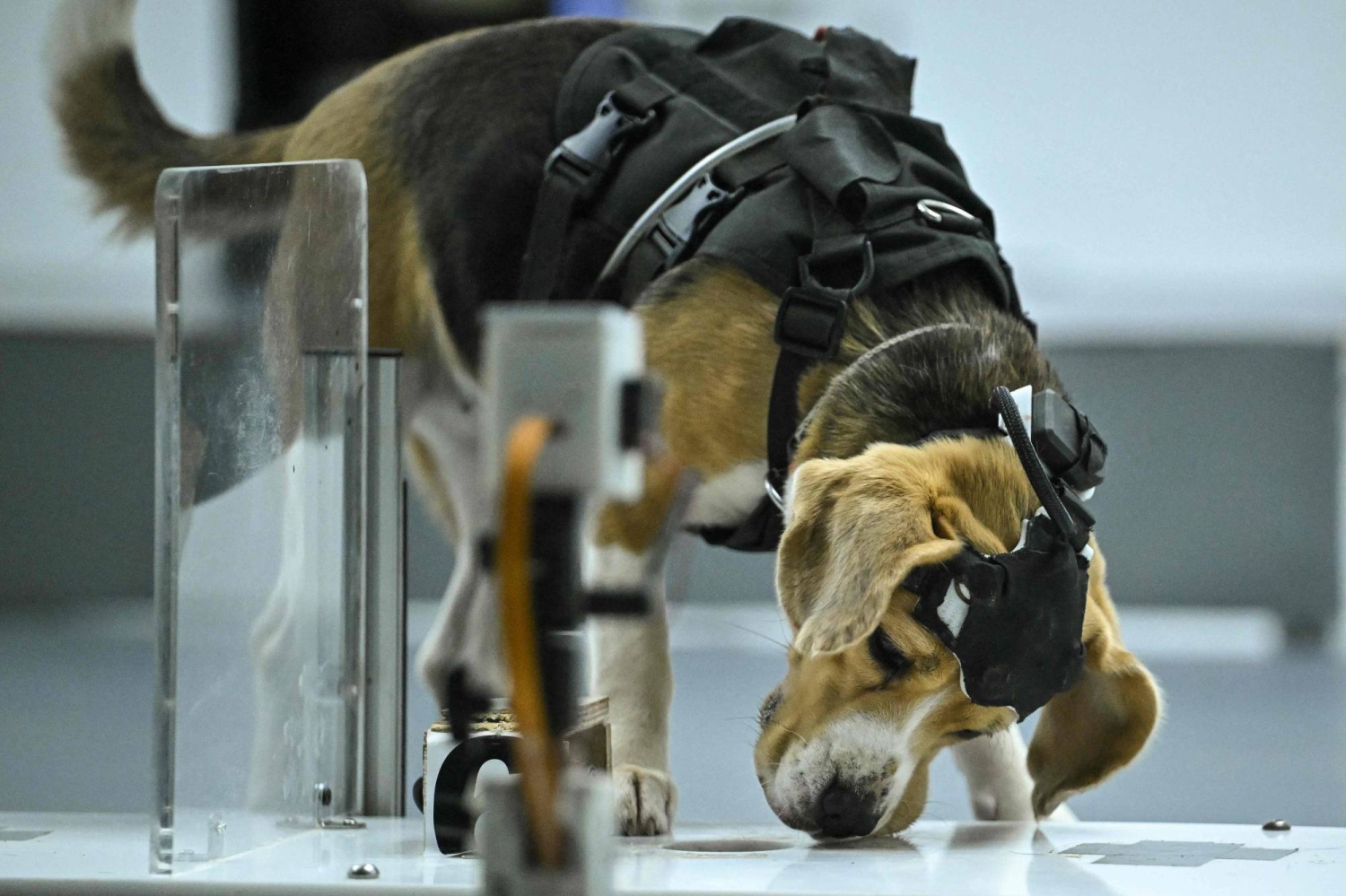
Researchers in Bengaluru, India, are using AI to train rescue dogs like Chloe to sniff human breath for cancer…
JM-Applied, a Taiwanese semiconductor gas equipment maker and supply chain member for Micron and TSMC, said on…

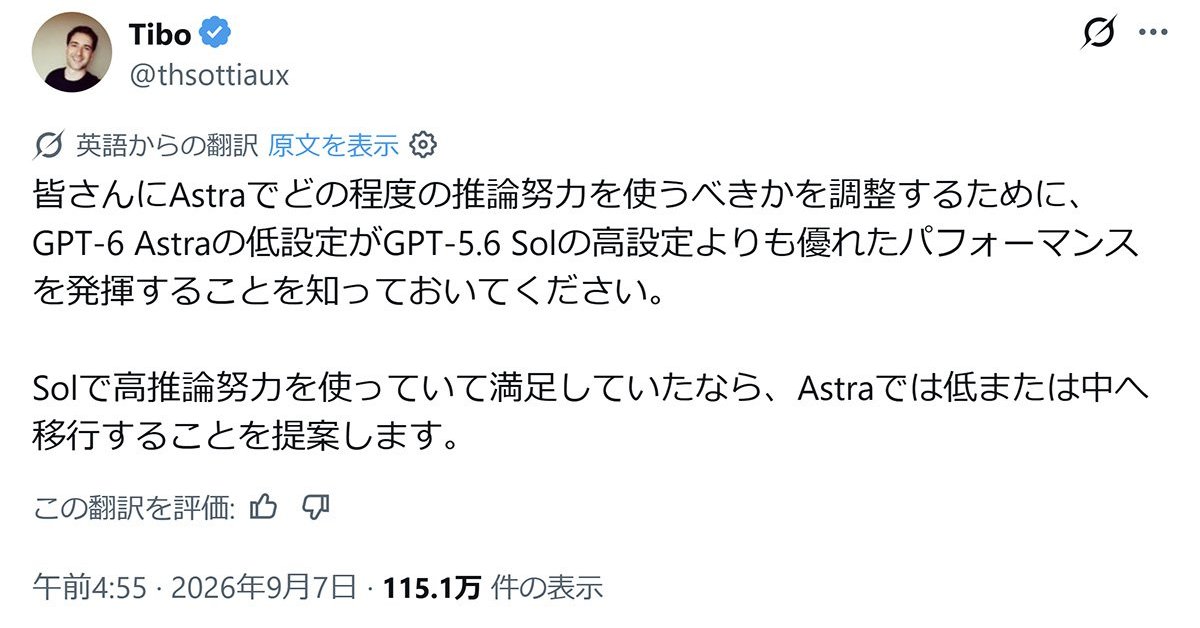
OpenAI's product lead Tibo Sotiou posted on X on September 6 that GPT-6 Astra's 'low' setting outperforms GPT-…
Nvidia disclosed roughly $99 billion of public and private equity investments as of July 26, plus about $25 bi…