What happened
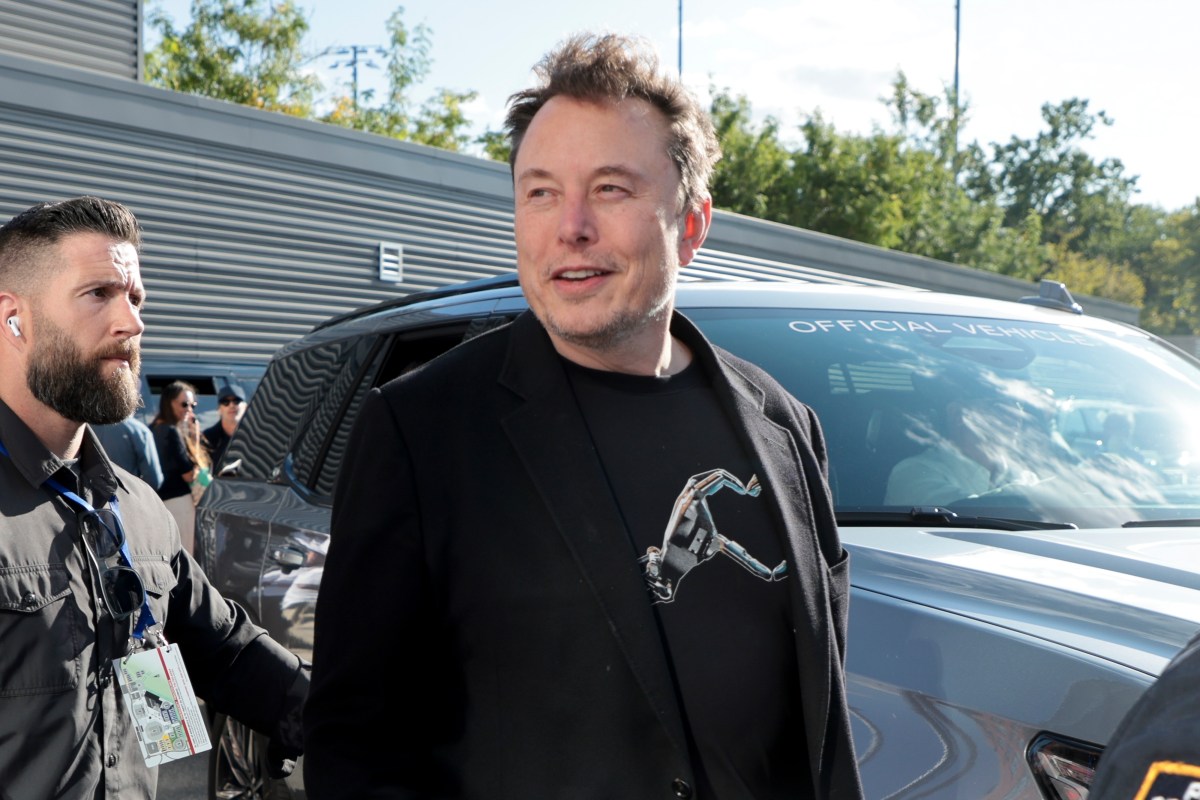
Analysis of Tesla earnings calls over seven years shows Musk now discusses artificial intelligence, robotaxis, and Full Self-Driving software nearly 50% of the time he speaks, up from 15–20% in 2022. His remarks on the Optimus humanoid robot jumped to at least 10% over the past year, occupying nearly a third of his focus on the Q3 2025 call, compared with around 2% or less when the project was first revealed in 2021.
Why it matters
Tesla shipped nearly half a million cars last quarter and made 70% of its money from car sales, yet Musk is repositioning the company as an AI and robotics business—a signal of where leadership believes growth and value will come from. On a Q1 2024 call, Musk stated: "If somebody doesn't believe Tesla is going to solve autonomy, I think they should not be an investor in the company," framing autonomous technology as central to Tesla's investment thesis.
What to watch
Other Tesla executives—CFO Vaibhav Taneja and VP of Engineering Lars Moravy—are lagging behind Musk's shift, still spending around 30% of their time on automotive business topics. The company's core car business has stopped growing as competition from legacy automakers and Chinese entrants intensified in 2024.
Summaries like this, in your inbox every morning.
Musk's rhetorical shift reflects a strategic reframing of Tesla's identity that diverges sharply from its actual financial performance. While the company remains fundamentally dependent on automotive revenue—70% of income and nearly half a million vehicles shipped last quarter—Musk has spent seven years building a public case that Tesla should be valued and understood as an AI and robotics venture. The data illustrates this divergence vividly: in 2022, Musk allocated only 15–20% of his earnings-call remarks to autonomy and AI; by 2025, that figure had nearly tripled to nearly 50%. Optimus underwent an even steeper acceleration, moving from a minor mention (2% or less in the year after its 2021 announcement) to consuming nearly a third of Musk's focus on recent calls.
This shift occurred precisely as Tesla's core automotive business stopped growing, intensifying competition from legacy automakers and Chinese entrants in 2024. In contrast, other executives—CFO Vaibhav Taneja and VP of Engineering Lars Moravy—have moved more cautiously, still dedicating around 30% of their earnings-call time to the automotive business even in recent quarters. Musk's accelerated pivot suggests confidence in future returns from autonomy and robotics, though those projects are not yet generating measurable revenue. His Q1 2024 statement—"If somebody doesn't believe Tesla is going to solve autonomy, I think they should not be an investor in the company"—frames this bet as essential to Tesla's investment thesis, cementing the reframing of the company in public discourse regardless of current financial reality.
Pick your industry and the AI tools you use, and get news related to your work every day.
Free · 30 seconds with Google · unsubscribe anytimeWhat is AIToday? →
Ask AI anything about this article. The AI reads this article, earlier AIToday articles, and Wikipedia, and cites its sources. Q&As are published on this page for other readers too.
In Q2, billionaires or their funds sold six 'Magnificent Seven' AI stocks
Nvidia was rising early Friday, even as the wider chip sector kept falling, Barron's reported
ElevenLabs completed a $300 million employee tender at a $22 billion valuation, and co-founder Mati Staniszews…

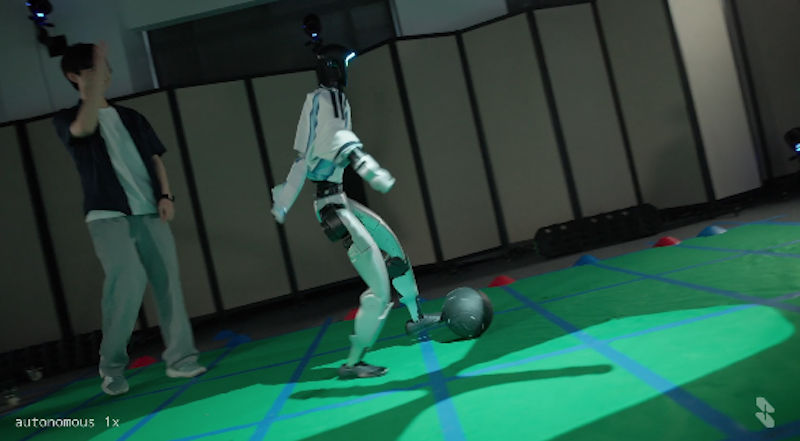
Skild AI used Nvidia Isaac Sim to give its S1 model one objective — score a goal — and let it compete against…
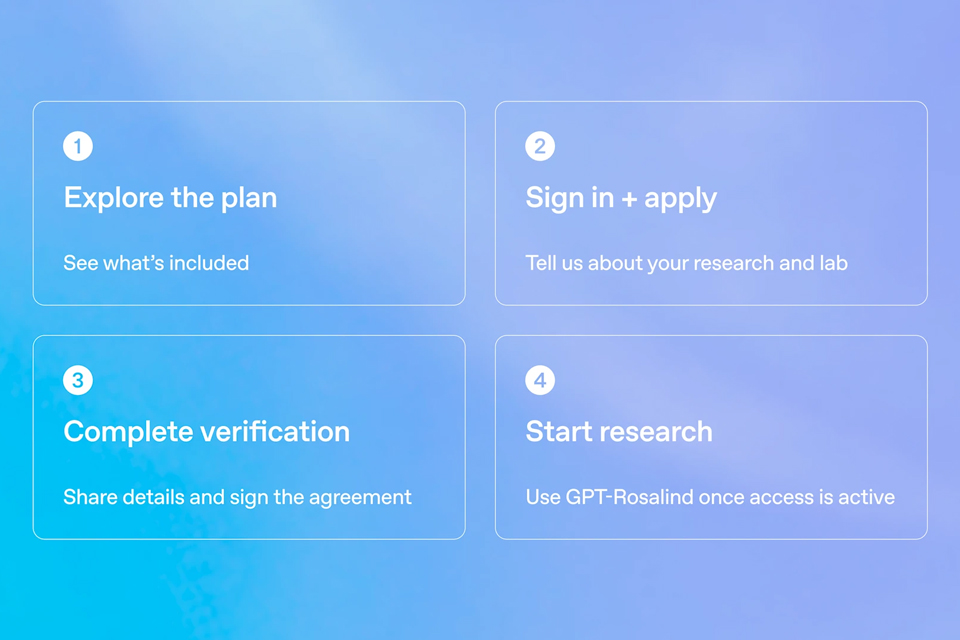
On October 15, OpenAI announced the Rosalind Academic Plan, giving approved US university labs free access to…
JR Central announced the S0系 on October 16, its first full model change since the N700S, with commercial servi…