What happened
Illumina announced that its Billion Cell Atlas alliance—launched in January 2026 with AstraZeneca, Merck, and Eli Lilly and Company—has added three new member companies, including Formation Bio, plus two other AI-driven drug discovery partners. The Atlas has sequenced over 350 million cells to date, generating upwards of six petabytes of genomic data.
Why it matters
The Atlas is capturing how one billion individual cells respond to genetic changes via CRISPR across more than 200 disease-relevant cell lines, enabling members to discover and validate novel drug targets, understand disease mechanisms, and explore new treatment indications. Upon completion, it will be the most comprehensive map of human disease biology, providing unprecedented infrastructure for the next generation of therapeutics.
What to watch
The Atlas is the world's largest genome-wide genetic perturbation dataset, with the scale and diversity across hundreds of disease-relevant and healthy cell types designed to reveal how diseases originate, develop, and potentially be reversed.
Summaries like this, in your inbox every morning.
The Billion Cell Atlas represents a significant collaboration in precision medicine infrastructure, bringing together major pharmaceutical companies and specialized AI drug discovery firms around a shared genomic resource. Launched just months ago in January 2026, the alliance has already grown from its three founding members (AstraZeneca, Merck, and Eli Lilly and Company) to include Formation Bio and two additional AI-driven drug discovery partners, signaling strong industry momentum. The scale of the undertaking—over 350 million sequenced cells and upwards of six petabytes of data—positions the Atlas as the world's largest genome-wide genetic perturbation dataset, a foundation that enables member companies to move beyond traditional target discovery into understanding the mechanisms that underlie disease progression. By mapping how cells respond to genetic perturbations via CRISPR across more than 200 disease-relevant cell lines, the alliance aims to create what it describes as the most comprehensive map of human disease biology, a resource that could accelerate the identification of novel therapeutic pathways and potentially open avenues for disease reversal.
Pick your industry and the AI tools you use, and get news related to your work every day.
Free · 30 seconds with Google · unsubscribe anytimeWhat is AIToday? →
Ask AI anything about this article. The AI reads this article, earlier AIToday articles, and Wikipedia, and cites its sources. Q&As are published on this page for other readers too.
Chunghwa Telecom president Rong-shy Lin said the shift from conversational AI to autonomous AI agents is resha…
CoreWeave fell 5% in premarket trading Friday and was on track to finish the week down 15%, after rebounding f…
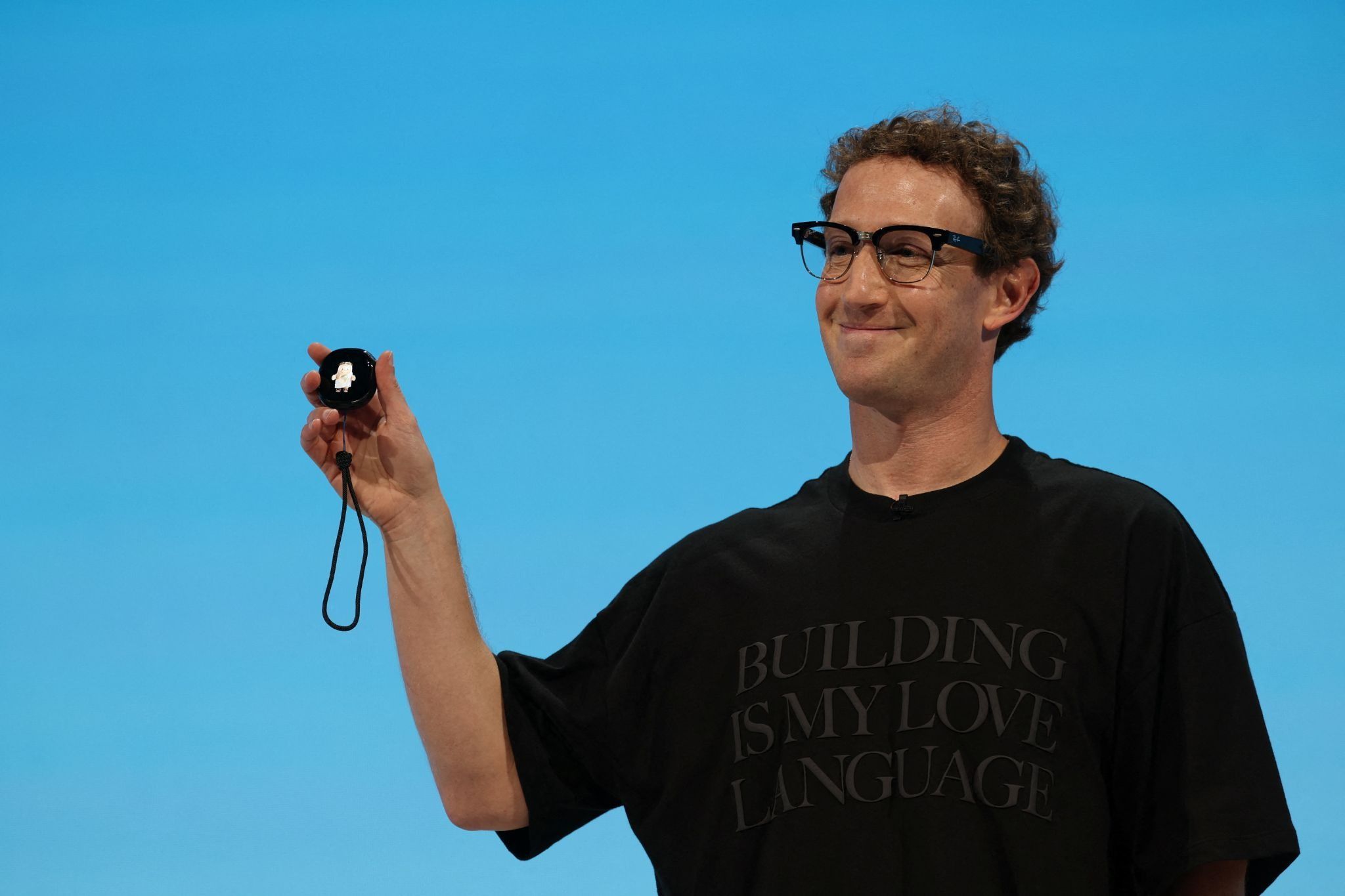
Apple and Meta said they would jointly release a new open-weight AI model designed to run on high-end Macs, ai…
Investors put $38.5 billion into Asian startups in Q3, per Crunchbase data

A longtime Anthropic investor told Fortune he expects shares priced around $1.8 trillion, below the company's…
In Q2, billionaires or their funds sold six 'Magnificent Seven' AI stocks