What happened
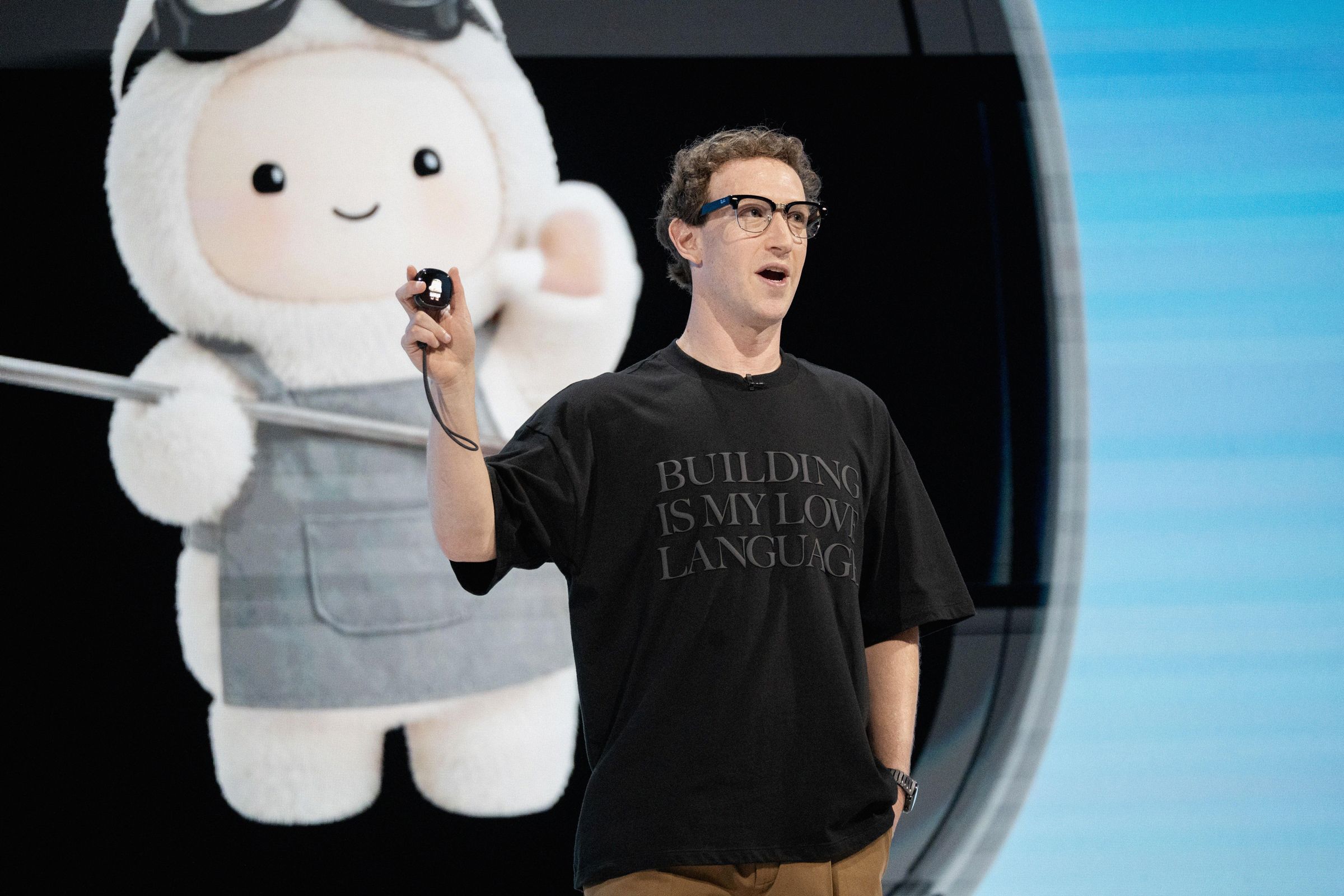
Meta released Muse Wonder in two variants. Muse Wonder Full scores 56 points on the Artificial Analysis Intelligence Index v4.3, up from predecessor Muse Spark 1.3's 48 points. On Terminal-Bench 4.0, agentic performance rose from 33 to 57 percent.
Why it matters
The jump from 48 to 56 points moves Meta from a mid-tier position among frontier developers into the top three on six out of ten benchmarks — a recovery for a company that had a weaker stretch with its open models.
WHO IT HITSMeta's API customers and coding-tool users get a two-variant frontier model with sharply better agentic and coding scores, though the higher per-task cost lands on teams running large coding or agent workloads.
Summaries like this, in your inbox every morning.
Meta's release of Muse Wonder in two variants is the company's first frontier model since a stretch in which its open Llama models lost ground to competitors. The benchmark spread tells the story: coding and math improved sharply — Muse Wonder Full solves 94 out of 100 problems on ProofBench, up from 58, and hits 68 points on the Coding Agents Index, tying Claude Code with Sonnet 5.5. But factual knowledge remains thin, with Muse Wonder Full managing only 30 points on the AA-Omniscience test, well behind Claude Opus 5.5, GPT-6 Astra, and Gemini 4 Argon. Low hallucination rates partly compensate; Muse Wonder Full cut its hallucination rate from 33 to 23 percent. On cost, Artificial Analysis puts Muse Wonder at $4.52 per task — below Claude Fable 5.1 and Claude Opus 5.5 but above GPT-6 Astra, Gemini 4 Argon, and GPT-6.1 Sol.
Pick your industry and the AI tools you use, and get news related to your work every day.
Free · 30 seconds with Google · unsubscribe anytimeWhat is AIToday? →
Ask AI anything about this article. The AI reads this article, earlier AIToday articles, and Wikipedia, and cites its sources. Q&As are published on this page for other readers too.
Anthropic announced dynamic workflows, a new multi-agent feature in Claude Console where the lead agent writes…
Microsoft Research found eight runs of the same AI research agent on one task plateaued at different levels, w…
Sakana AI and UC Berkeley's MASS method let one model solve tasks, judge results, and rewrite its own workflow…
GitHub published the latest installment of its GitHub Copilot app for Beginners series, outlining four ways to…

Baidu's open-model Unlimited-OCR (3B total parameters, 0.5B active) reports 93.23 on the OmniDocBench v1.5 com…

Meta released Muse Wonder and Muse Wonder Full, saying the largest version beats Anthropic's Claude Fable 5.1…