What happened
Anthropic announced dynamic workflows, a new multi-agent feature in Claude Console where the lead agent writes an orchestration program that launches agents and collects results.
Why it matters
Developers who previously configured a coordinator and sub-agent roster no longer manage those connections, though flows cost much more than a single-agent approach.
WHO IT HITSEnterprise developers building multi-agent pipelines in Claude Console gain an option to let Claude choose the agent structure itself. Teams tracking token spend may need to set a session budget, since the model does not know its own budget while running.
Summaries like this, in your inbox every morning.
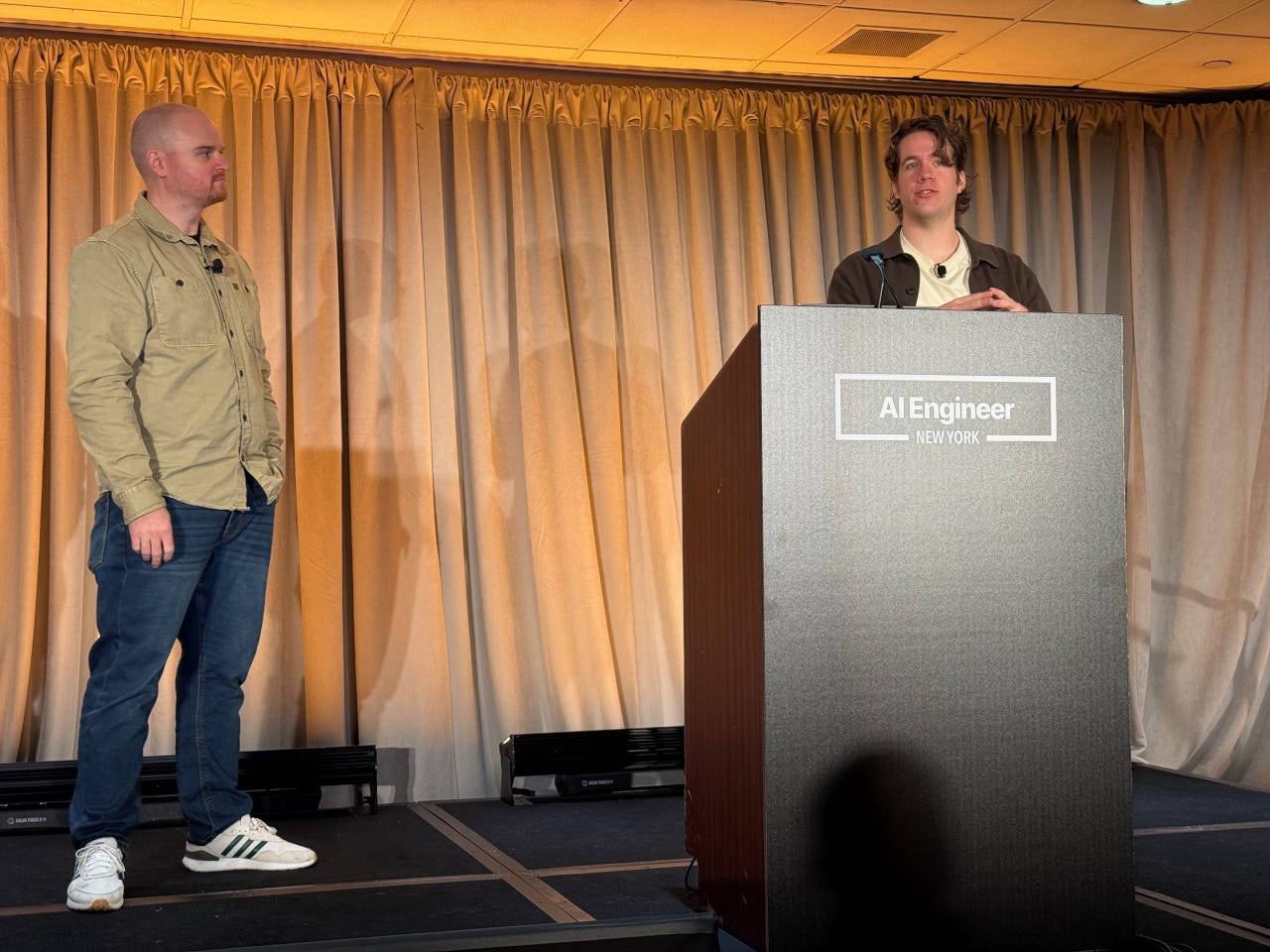
Anthropic framed dynamic workflows around a much older idea. Avilla and Stall opened by invoking Ken Thompson building the original Unix operating system and Linux evolving from one person, Linus Torvalds, to layers of trusted maintainers. Their point was that agents need the same kind of organization for the ambitious projects Anthropic envisions for flows.
The feature grew out of a "harness for every task" concept inside Claude Code. What changed is who does the organizing. Claude Managed Agents previously required developers to configure a coordinator and a roster of subagents; with dynamic workflows, Claude writes an orchestration program that launches agents, collects results, and manages information flow. Users can still pass in pre-configured sub-agents through the agent config if they want specialists.
In a demo, a stock watchlist scanner showed the pattern: a scan phase distributed individual tickers to agents with isolated contexts, and a later review phase examined the findings before producing a report. Avilla said flows cost much more than a single-agent approach but were much more effective at finding all of the details. Audience questions pressed on control — how many agents a task needs (Stall pointed to evals and lower defaults), budget visibility, and whether subagents can message each other (they share a filesystem instead). For cheaper repeated flows, Avilla pointed to dreaming, a research preview feature that reads an existing memory store alongside past session transcripts and produces a reorganized one. Asked whether flows could power large scientific research, Stall would not detail how Anthropic computes such problems but said enabling general users to tackle them is the goal.
Pick your industry and the AI tools you use, and get news related to your work every day.
Free · 30 seconds with Google · unsubscribe anytimeWhat is AIToday? →
Ask AI anything about this article. The AI reads this article, earlier AIToday articles, and Wikipedia, and cites its sources. Q&As are published on this page for other readers too.
Meta released Muse Wonder in two variants
Microsoft Research found eight runs of the same AI research agent on one task plateaued at different levels, w…
Sakana AI and UC Berkeley's MASS method let one model solve tasks, judge results, and rewrite its own workflow…
GitHub published the latest installment of its GitHub Copilot app for Beginners series, outlining four ways to…

Baidu's open-model Unlimited-OCR (3B total parameters, 0.5B active) reports 93.23 on the OmniDocBench v1.5 com…

Meta released Muse Wonder and Muse Wonder Full, saying the largest version beats Anthropic's Claude Fable 5.1…