
What happened
From Sept 10 to Oct 10, the operator delegated sales, publishing, video posting and bookkeeping to 14 scheduled Claude Code tasks; results were 255 pitches, 3 replies, 2 contracts worth 8,500 yen total, and zero product sales.
Why it matters
The write-up argues the durable value was not revenue but AI running unattended without breaking and keeping humans on the send/publish buttons, with 45 recorded incidents shaping the rules.
Summaries like this, in your inbox every morning.
The record is unusual less for the tools than for the accounting. The operator deliberately measured something other than sales: how long the AI could run while the human slept, and how often the human-only buttons stayed human-only. On those two measures, the setup held by day 30, even as revenue stayed at zero and a week-five audit forced a rebuild of the selling side.
The incident log explains why so many rules exist. A duplicate video upload nearly happened because completion was judged from the text of the board rather than a dated completion record. Two Claude Code agents sharing one git worktree led the reviewer to run git restore and wipe uncommitted work. Fake test spreadsheets passed while dropping leading zeros in phone numbers and seconds in timestamps. Each failure turned into a rule such as distinguishing empty from zero, forbidding git add -A, and stopping without input when a screen does not match assumptions.
The pitch data also redirected the strategy. On day 22, reviewing 151 pitches showed the median application count at send time was 94 and prices clustered near budget ceilings. The two wins came from listings that were fresh, had around 10 applicants, and had budgets under 10,000 yen. That group returned 8.8% replies, while the crowded, large-budget group that made up 64% of sends returned 0 of 81.
Pick your industry and the AI tools you use, and get news related to your work every day.
Free · 30 seconds with Google · unsubscribe anytimeWhat is AIToday? →
Ask AI anything about this article. The AI reads this article, earlier AIToday articles, and Wikipedia, and cites its sources. Q&As are published on this page for other readers too.
Infineon Technologies said on October 21 it is expanding work with Nvidia on 800-volt direct current power arc…
BloFin Research outlined three defensive moves for a potential 2027 AI correction: shift some S&P 500 exposure…

Shares fell 6.9% Thursday, extending the drop from the June 2 peak to 50%, with market capitalization at about…
Schneider Electric, Nvidia and HPE formed a strategic collaboration to launch Industrial AI Agents at the Edge…
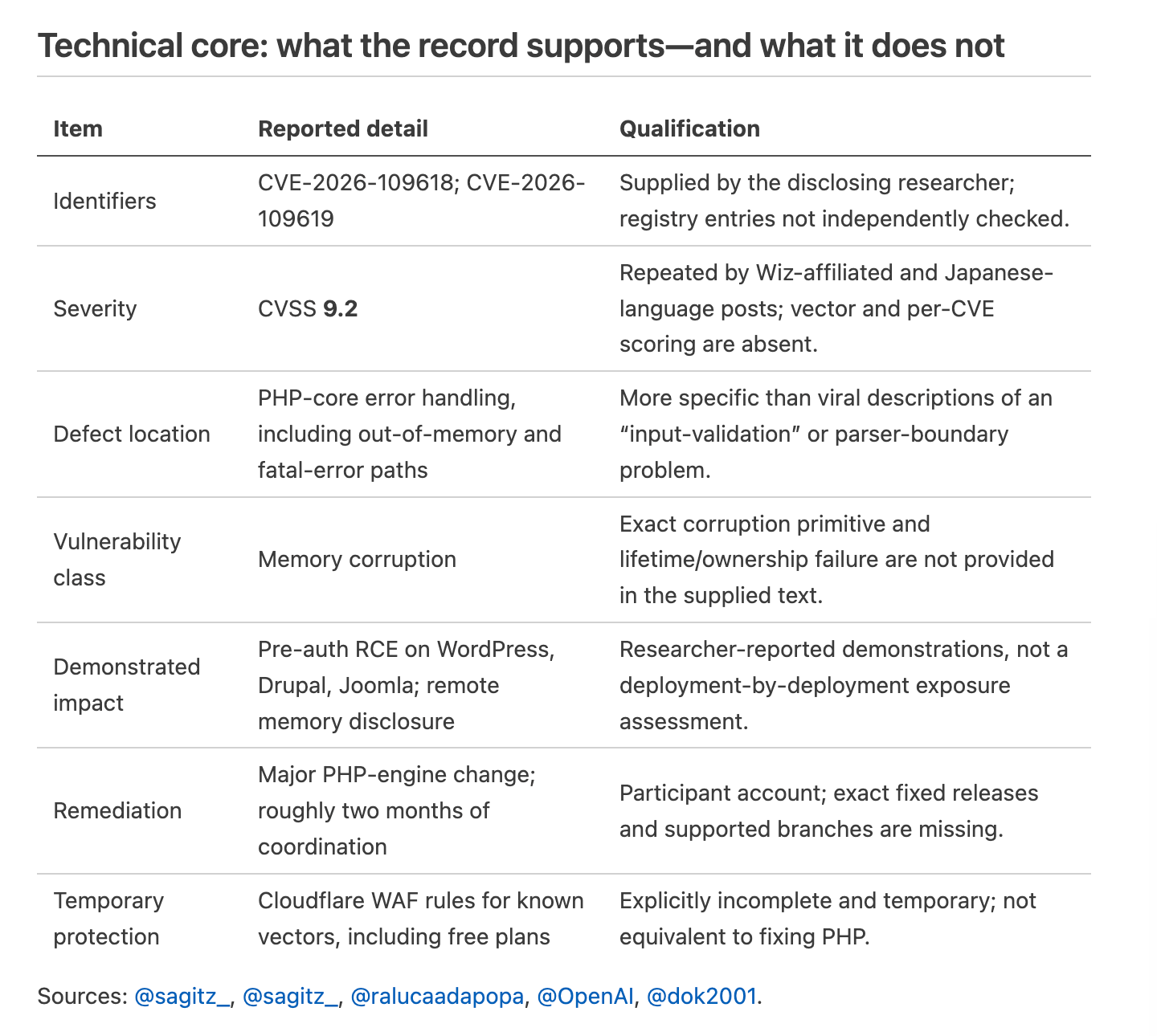
OpenAI says Calif researchers using GPT 5.6 Sol under its "Patch the Planet" project found the PHP2Shell flaws…
Anthropic released Claude Duet, built on Claude Opus 5.5