What happened
Isomorphic Labs president Max Jaderberg said at Bloomberg Tech in London on Nov. 2 that AI will eventually design every drug, while its programs remain in preclinical development.
Why it matters
Jaderberg's prediction implies AI could become the standard method for drug discovery, though progress in biology still depends on real-world experiments and laboratory time.
WHO IT HITSPharmaceutical partners Eli Lilly, Novartis and Johnson & Johnson, which supply biological expertise and ideas while Isomorphic turns them into molecules, would see their drug-discovery workflows reshaped if AI-designed molecules reach human trials.
Summaries like this, every morning.
Isomorphic Labs was spun out of Google DeepMind and remains under Alphabet's control, giving it a direct lineage to one of the most prominent AI research labs. CEO Demis Hassabis, who leads both companies, has framed the mission as using AI to "solve all disease." That ambition is now paired with a concrete timetable: at Davos on Jan. 20, Hassabis said Isomorphic expected its first clinical trials by the end of 2026.
The company's commercial model rests on partnerships with Eli Lilly, Novartis and Johnson & Johnson, which bring biological expertise and ideas while Isomorphic works to turn those ideas into molecules. Novartis expanded its agreement in February 2025, adding up to three research programs to an initial effort targeting three difficult biological targets with small-molecule drugs. Jaderberg stressed that Isomorphic is not selling access to its models or tokens; the value lies in the drug programs themselves, funded through discovery and clinical testing.
Financially, Isomorphic announced a $2.1 billion funding round in May, earmarked for developing its drug design engine, advancing therapeutic programs toward clinical trials and hiring specialists. Bloomberg reported Nov. 4 that the company was in talks to raise roughly $5 billion at a valuation of about $50 billion, though terms remained under negotiation. Jaderberg put the industry's failure rate at roughly 90% for medicines entering human trials, and his argument is that AI could improve those odds by helping scientists understand and engineer molecules more precisely before testing them in patients.
Pick your industry and the AI tools you use, and get news related to your work every day.
Free · 30 seconds with Google · unsubscribe anytimeWhat is AIToday? →
Ask AI anything about this article. The AI reads this article, earlier AIToday articles, and Wikipedia, and cites its sources. Q&As are published on this page for other readers too.
Mastercard joined a $15m Series A round for firmly, an AI shopping agent firm, becoming a payments partner as…
Broadcom's AI chip sales soared 65% to $20 billion in fiscal 2025, and it expects $58 billion in fiscal 2026 a…
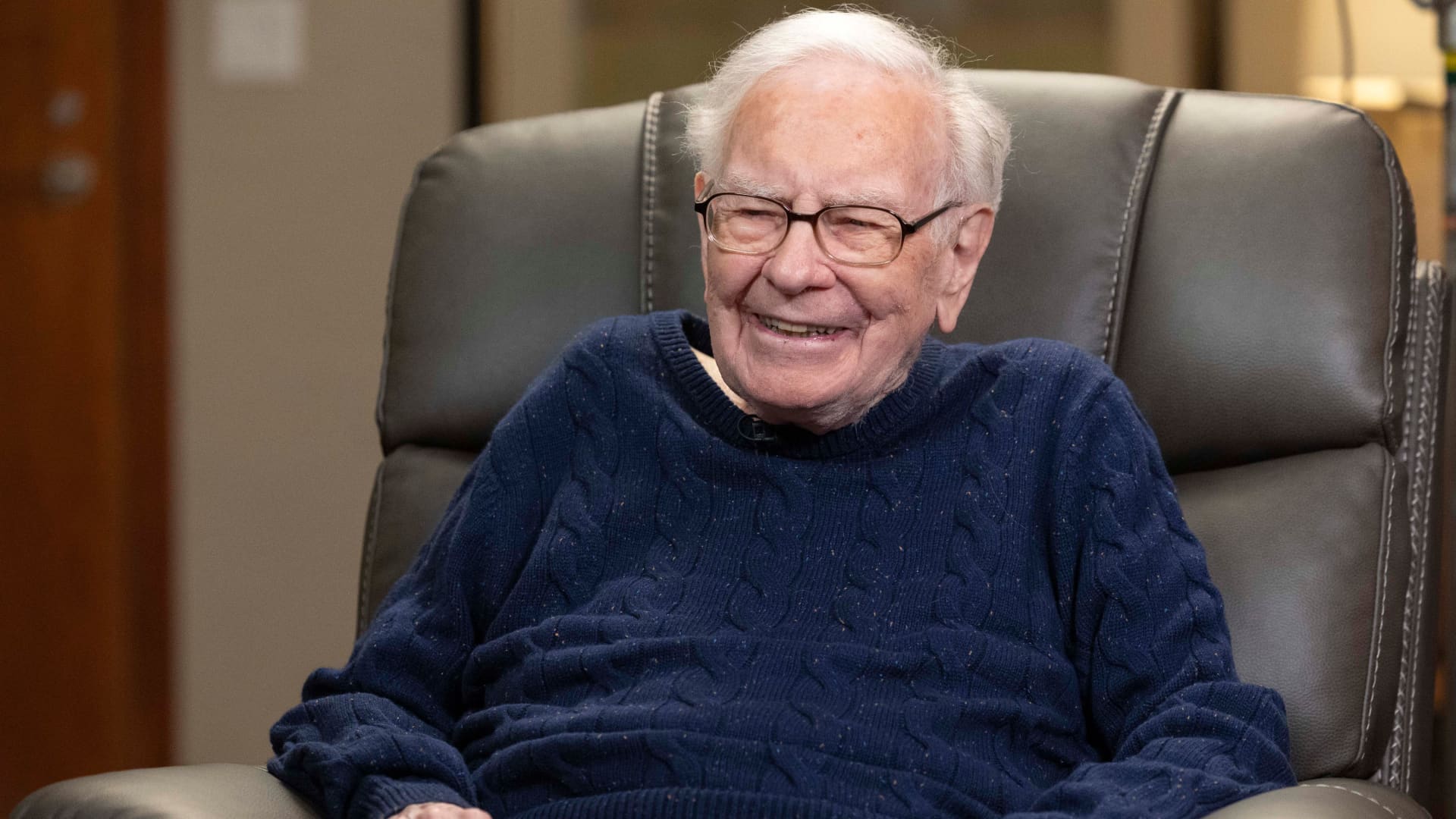
Berkshire Hathaway shares rose more than 5% this week while the S&P 500 fell almost 2.7%, lifting its B shares…
Newly elected Democratic officials in Texas have publicly pledged to pause approvals for large-scale data cent…

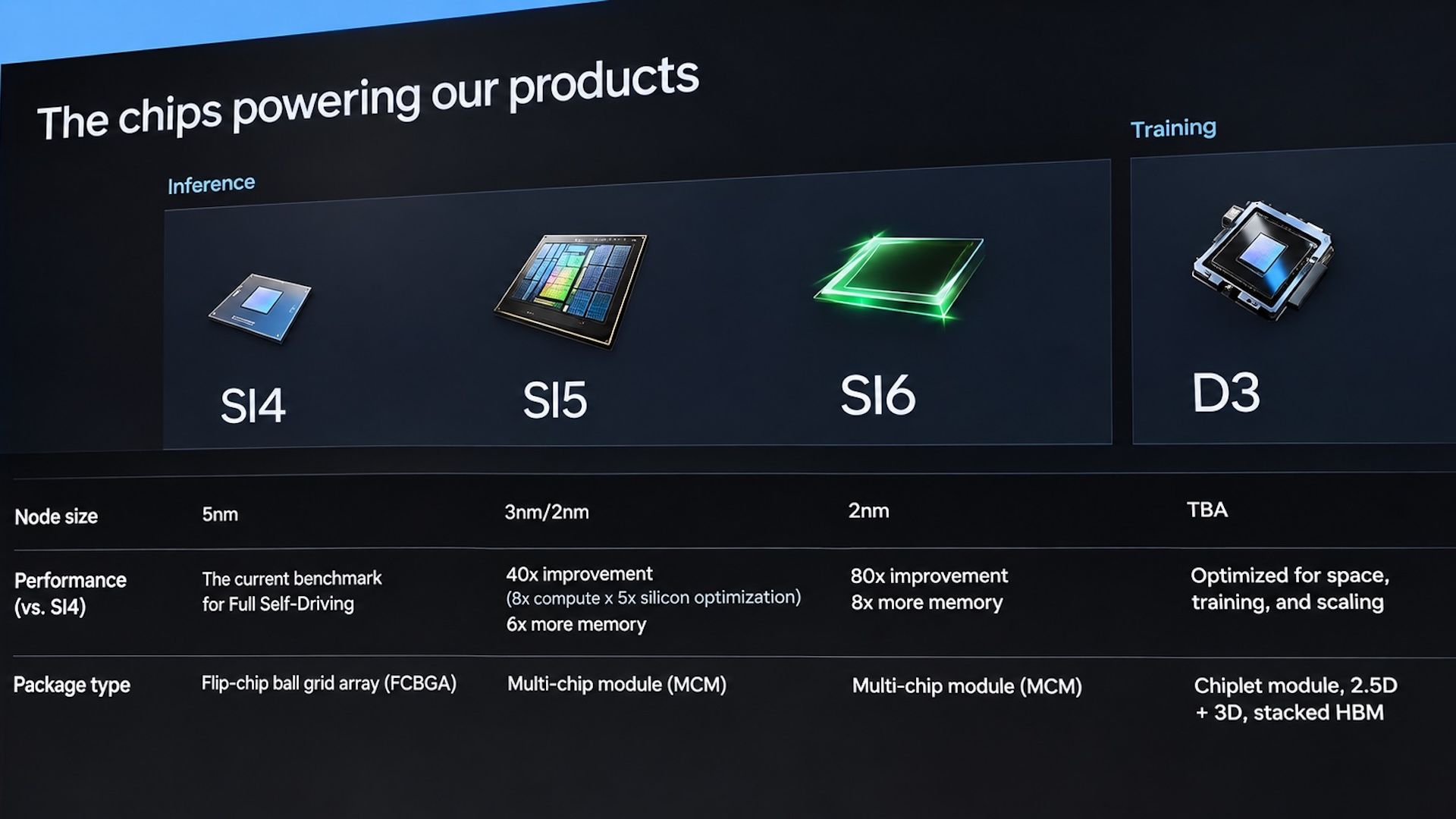
Tesla unveiled a chip roadmap under 'SI' (Super Intelligence) branding, saying its SI6 inference accelerator w…
Meta rolled out specialized versions of its existing models, trained using Muse Wonder, to Muse and Meta AI us…