A team of researchers published a comprehensive survey on arXiv describing how to deploy machine learning (AI systems that improve through experience) across satellite constellations — groups of dozens or hundreds of orbiting spacecraft that talk to each other. The survey tackles three core techniques: federated learning (training AI across multiple satellites while keeping data private), multi-agent coordination (algorithms that let spacecraft make joint decisions on collision avoidance and resource sharing), and distributed inference (running AI decisions across the network rather than sending data to one location).
The difference from today's satellites: current spacecraft mostly follow pre-programmed instructions or wait for commands from ground stations, which causes delays. The survey describes how satellite networks could instead learn patterns from their own observations, adapt to equipment failures caused by radiation, and coordinate complex tasks (like formation flying or avoiding collisions) in real-time using only the bandwidth and computing power available in space — without constantly requesting permission from Earth.
For space companies, governments, and industries relying on satellite data (climate monitoring, disaster response, communications), this means faster decision-making during emergencies and the ability to operate swarms of cheaper, smaller satellites that coordinate autonomously. For engineers building the next generation of Earth-observation or communication networks, this survey consolidates scattered research into a roadmap for constellation-scale AI — reducing the need to wait years for feature updates sent from the ground.
Ask the AI about this article →
For example, today's edition would include:
AI-summarized, only the topics you pick — one digest a day via Email, Slack, or Discord.
Free · takes 30 seconds · unsubscribe anytimeWhat is AIToday? →
Ask AI anything about this article. Q&As are published on this page for other readers too.
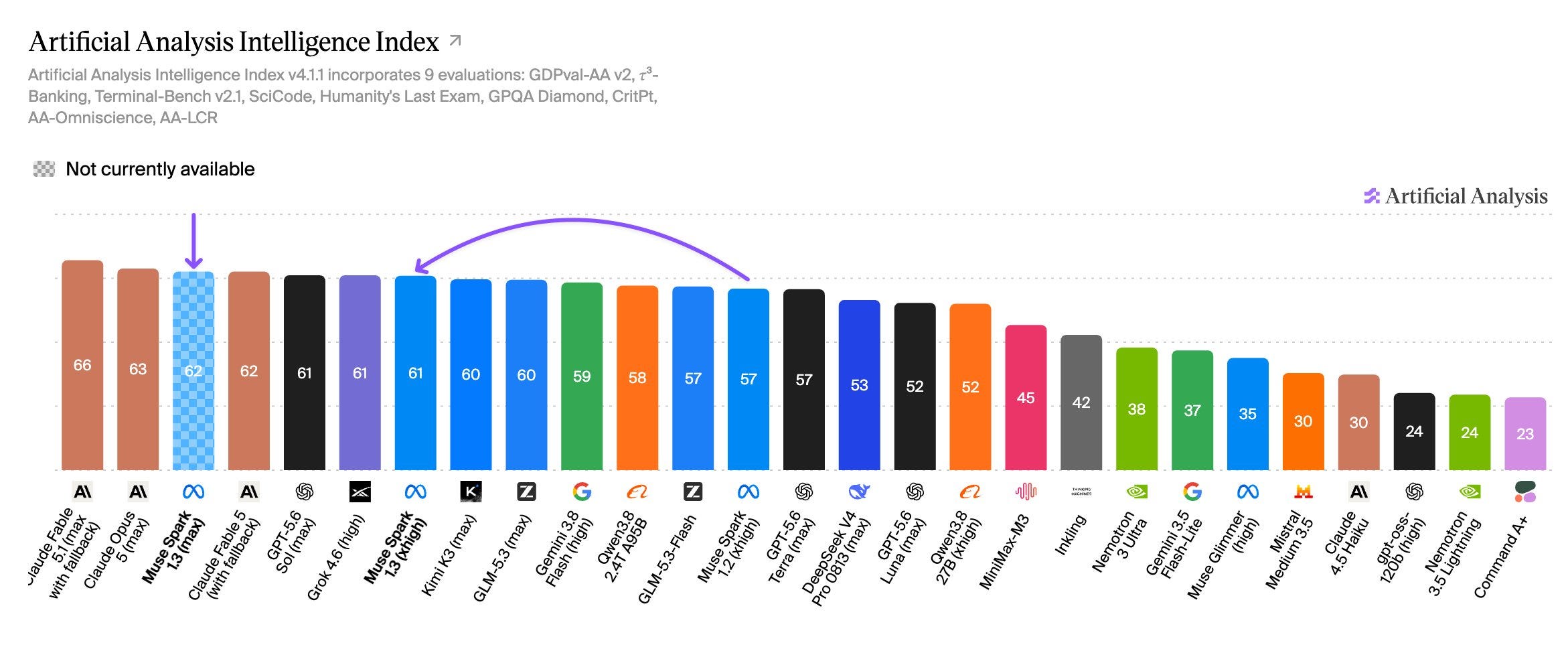
Meta released Muse Spark 1.3, which per AAII is now the #3 model in the world
The original author of CABiNet (ICRA 2021) rebuilt the repo and compared its performance against YOLO26-sem on…

A developer built Deepity, a C++ machine learning library, to test Predictive Coding Networks (PCNs), an alter…
Meta Platforms Inc. released Muse Spark 1.3, which it says puts it at the same level as the most recent models…

Meta announced Muse Spark 1.3 on September 2 and started offering it to developers through Muse Code and the M…
The author tested AI writing tools over three years and found AI automates mechanical tasks but does not reduc…