What happened
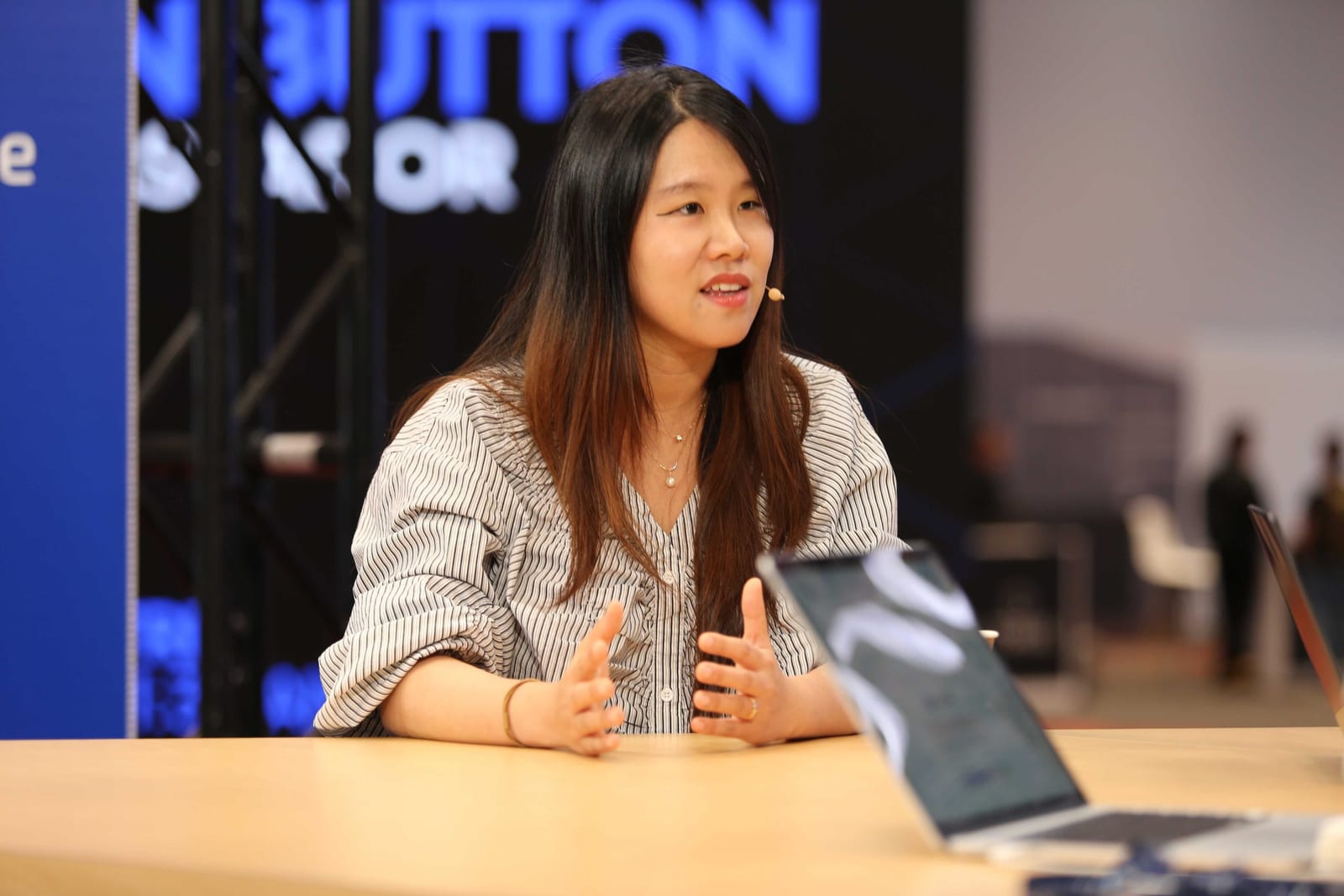
Cline Bot CEO Renee Huang said the company's open-source coding harness is expanding beyond coding into general knowledge work, and that Cline's token consumption has grown 20x over the last four months, with a turning point in May when strong open-weight models arrived.
Why it matters
The harness lets users pick faster, cheaper inference when a job doesn't need a frontier model, which Huang says can put AI within reach of more day-to-day work rather than only those who can afford it.
What to watch
Whether that growth continues hinges on less coding-savvy users adopting tools like Cline Desktop, the open-source app for open-weight models. Watch how much of Cline's inference keeps running on CoreWeave's serverless platform.
WHO IT HITSEnterprise development teams and IT groups evaluating AI coding tools are affected, since an open harness that supports both frontier and cheaper open-weight models gives them a way to control inference costs. Less technical knowledge workers may also get access to these tools, according to Huang.
Summaries like this, in your inbox every morning.
Cline has spent two years building an evaluation system based on real-world traffic, tuning its harness to work well on both large frontier models and smaller, cheaper ones, and it recently open-sourced its evaluations for open-weight agents. Huang framed the design challenge as modularity: giving the model the right tool and the right correction loop, and letting it detect and fix its own failures.
The usage figures sit alongside a broader shift Huang described. As agents and models improve, she said Cline is seeing penetration into more general knowledge work and into people who are less sophisticated in coding tooling, which is a different audience from the developers the harness originally served. Much of that inference runs on CoreWeave's serverless platform.
The stakes appear to hinge on whether that less technical audience actually shows up, and on how cheaply open-weight models can handle work that does not require a frontier model. Huang's argument is that control over both the model and the harness lets companies build custom tools for niche jobs that would not otherwise justify a big budget or a dedicated engineering team — a bet that may depend on how far that penetration trend continues.
Pick your industry and the AI tools you use, and get news related to your work every day.
Free · 30 seconds with Google · unsubscribe anytimeWhat is AIToday? →
Ask AI anything about this article. The AI reads this article, earlier AIToday articles, and Wikipedia, and cites its sources. Q&As are published on this page for other readers too.
The engineer wired Claude Code headless into a pipeline that turns backlog items into merged code, logging 243…

Cognizant announced a five-year extension of its work with Gilead Sciences to support the biopharmaceutical co…

IBM said its Lightwell clearinghouse found and fixed more than 400 vulnerabilities in popular Java libraries…
Simon Willison praised EmbeddingGemma 2 for carrying the Apache 2.0 license, noting embedding models are poorl…
Mistral released an API preview of Mistral Large 4, a 1 trillion parameter, 49 billion active parameter model…

Musubi announced PolicyLM-1.7B, an open-weight decision model that applies plain-English content policies to m…