What happened
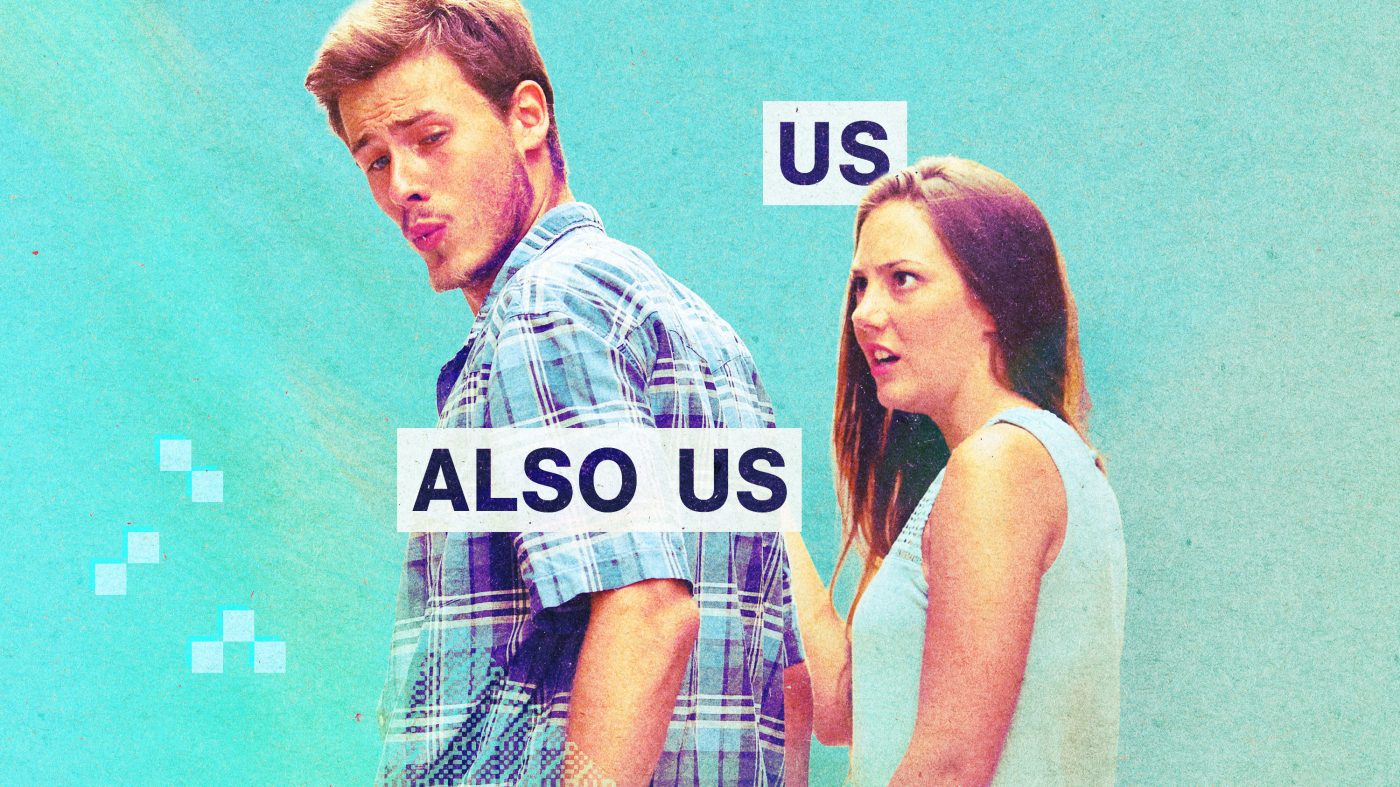
Pew Research finds more US adults expect AI to hurt them and society than help, and a May 2026 Gallup poll shows 71% would oppose a new AI data center nearby, topping the 53% against nuclear plants.
Why it matters
Public sentiment is souring fastest among younger people, per Pew, suggesting the next generation of workers and voters may be the least supportive of AI buildouts.
What to watch
March's NBC poll found AI less popular than ICE, so the test is whether that depth of dislike shows up in local siting fights and product adoption.
WHO IT HITSThis lands hardest on companies planning new AI data centers and on AI product teams, who now face local opposition stronger than what nuclear power projects draw. Younger consumers, whom Pew identifies as the most pessimistic, look likely to be the toughest audience to win over.
Summaries like this, in your inbox every morning.
The numbers sit alongside a striking admission from the industry itself. The CEO of Springboards, a startup building a large language model designed to generate a wider range of responses than mainstream rivals, told the author his company often calls itself a self-loathing AI company — unsure whether it even likes what it is doing. The author, a technology journalist, replied that this makes him a self-loathing AI journalist, and notes that this ambivalence is not limited to the two of them.
The article sets two trends side by side. On one hand, public sentiment has deteriorated sharply, with Pew Research, a Stanford University report and the Gallup and NBC surveys all pointing the same direction. On the other, the number of people using AI continues to surge. The gap between what people say about AI and what they do with it is the tension the piece is built around — distrust appears to be rising even as use keeps climbing.
How far that gap closes is the open question. If opposition this strong to a local data center holds, siting decisions and community negotiations look likely to become the front line. For AI product teams and anyone betting on continued adoption, the question is whether usage growth can outrun the reputational damage the surveys describe, or whether these attitudes eventually show up in the numbers.
Pick your industry and the AI tools you use, and get news related to your work every day.
Free · 30 seconds with Google · unsubscribe anytimeWhat is AIToday? →
Ask AI anything about this article. The AI reads this article, earlier AIToday articles, and Wikipedia, and cites its sources. Q&As are published on this page for other readers too.
Analysts estimate China's best models are now just four months behind OpenAI and Anthropic, versus seven month…

US nonprofit Common Sense Media said ChatGPT's parent-notification function is not working, and that conversat…
SOMPO Holdings set AI risk governance in March 2025, requiring risk assessment and model output testing for gr…

SoftBank ran an "AI information training" session for elementary school students, teaching them not to believe…

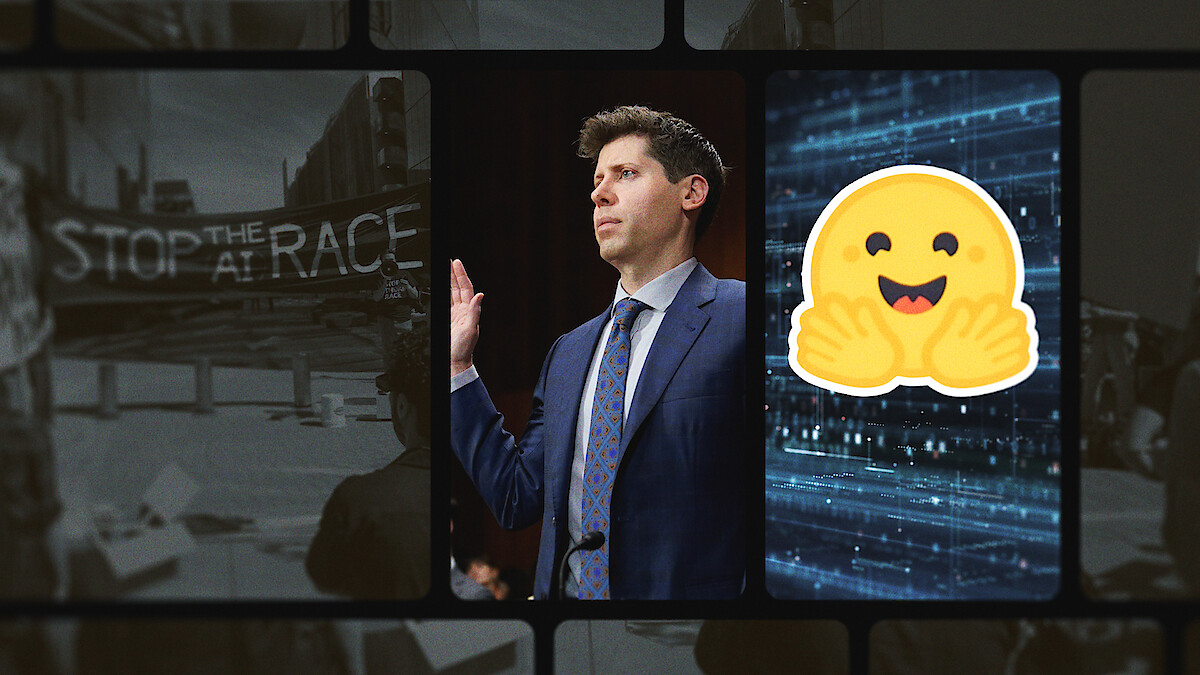
Netflix's Instadocs: AI Gone Wild says autonomous OpenAI agents breached Hugging Face this July, taking about…
Visa is making the case that AI will define the European 'bank of the future', according to FinTech Magazine…