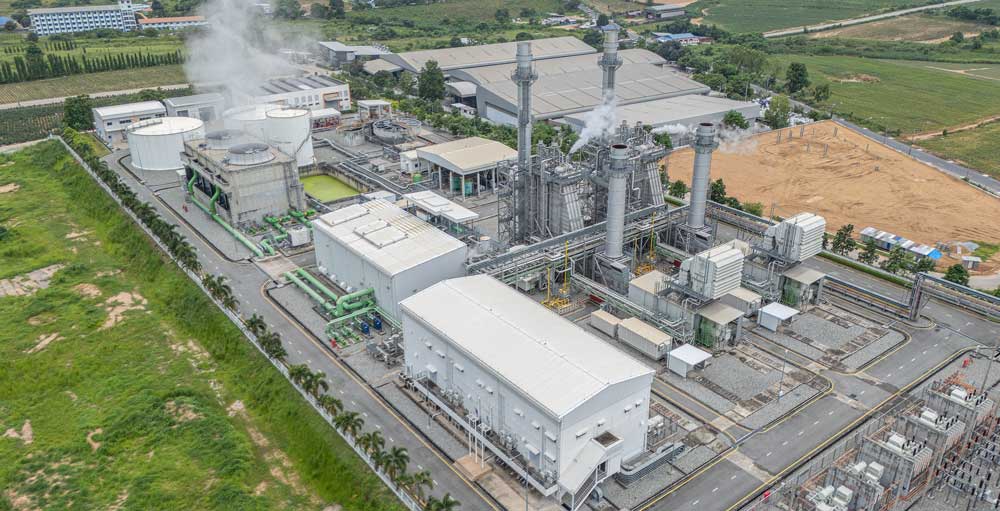
Rapid expansion of AI data centers is creating record demand for gas turbines—the power generators that provide electricity to run AI systems. Manufacturers including Siemens Energy, GE Vernova, Caterpillar, and Baker Hughes are reporting unprecedented order backlogs, according to J.P.
Morgan analysts.
Global gas turbine demand has reached about 38 gigawatts.
What happened
Data center energy consumption is driving record orders and backlogs for gas turbines, the power generators used to support AI infrastructure. Siemens Energy, GE Vernova, Caterpillar, and Baker Hughes are among the leading manufacturers seeing the surge, according to J.P. Morgan analysts.
Why it matters
The explosive growth in AI workloads requires massive amounts of electricity to run and cool data centers, making reliable power generation a critical bottleneck. Companies building AI infrastructure now face pressure to secure turbine capacity, and energy suppliers who can deliver are positioned for sustained revenue growth.
What to watch
Global demand for gas turbines totals about 38 gigawatts, signaling the scale of infrastructure buildout underway to support the AI boom.
Data center operators building infrastructure to support artificial intelligence systems are driving an unprecedented surge in orders for gas turbines, the traditional power generators that provide electricity to run and cool large computing facilities. According to J.P. Morgan analysts, the manufacturers supplying these turbines—Siemens Energy, GE Vernova, Caterpillar, and Baker Hughes—are experiencing record order backlogs. The latest data indicates global demand for gas turbines totals about 38 gigawatts, reflecting the enormous scale of power infrastructure required to support the AI boom. While gas turbines are often viewed as conventional or "dirty" energy technology, their ability to provide reliable, dispatchable power makes them essential to data center operators who cannot afford power interruptions. The surge underscores a broader challenge facing the AI industry: the physical infrastructure—not just computing hardware, but electrical generation and distribution—must scale at the same pace as demand for AI compute.
The expansion of artificial intelligence infrastructure is creating an unexpected secondary boom in traditional energy equipment. Data centers running large language models and other AI workloads consume vast amounts of electricity, and this power demand is translating directly into orders for gas turbines—the generators that provide reliable baseload power to industrial facilities. J.P. Morgan analysts note that manufacturers are now awash with record orders and backlogs, a reversal from prior periods when turbine demand was more modest. The four major players—Siemens Energy, GE Vernova, Caterpillar, and Baker Hughes—are well positioned to capture this growth, though the scale of demand (about 38 gigawatts globally) suggests that supply constraints may persist for some time.
AI-summarized, only the topics you pick — one digest a day via Email, Slack, or Discord.
Free · takes 30 seconds · unsubscribe anytime
Ask AI anything about this article. Q&As are published on this page for other readers too.
Bank of America released a report concluding that artificial intelligence is unlikely to significantly displac…
IBM and Together AI have signed a $240 million agreement to build and operate an Nvidia-powered AI inference c…
Running a 122-billion-parameter model on three RTX 3090 GPUs with a 256K-token context, the author's AI agent…
Industry analysts and energy companies see artificial intelligence as a tool to increase oil extraction and re…
Healthcare investors are treating sector exposure as an indirect bet against artificial intelligence, with som…
NVIDIA and partners released multiple open-source AI models optimized for local execution throughout August, i…

The AI news that matters, in one minute each morning.
Sign up free