
What happened
At G1サミット2026, lawmaker Hirotaka Hira, ELYZA CEO Yuya Soneoka, LINE Yahoo's Masahito Senoo, AI Safety Institute head Akiko Murakami and Smart Governance's Hiroki Habuka debated AI sovereignty across domestic models, open models, multi-vendor use and safety benchmarks.
Why it matters
The panel framed 戦略的自律 as the realistic path, suggesting heavy reliance on a single vendor or full in-house development may not be necessary to secure AI sovereignty.
Summaries like this, every morning.
The G1 Summit 2026 panel took place as global AI competition intensifies and questions about Japan's AI dependence grow. Rather than treating sovereignty as a binary choice between full domestic development and reliance on foreign providers, the participants outlined a middle path. They noted that open models now lag closed models by only about three months, making open models a viable foundation. They also discussed multi-vendor strategies and data portability as ways to avoid lock-in. The conversation extended to national security, including cyberattacks and cognitive warfare, and to the need for government expert teams. On safety, the panel stressed that criteria vary by country, language and field, and that industry-led red lines for sectors like finance and infrastructure are needed. They also weighed the risks of publishing evaluation criteria, noting that disclosure can enable gaming, and pointed to consortium-based operation as a way forward.
Pick your industry and the AI tools you use, and get news related to your work every day.
Free · 30 seconds with Google · unsubscribe anytimeWhat is AIToday? →
Ask AI anything about this article. The AI reads this article, earlier AIToday articles, and Wikipedia, and cites its sources. Q&As are published on this page for other readers too.
Sandisk stock is jumping following an AI chip selloff, per the headline

Visa Crypto Labs head Cuy Sheffield unveiled a new Visa Command Line Interface that verifies an agent using a…

Qualcomm finalized its $2.4 billion acquisition of Alphawave Semi, adding SerDes and interconnect IP to its Qu…

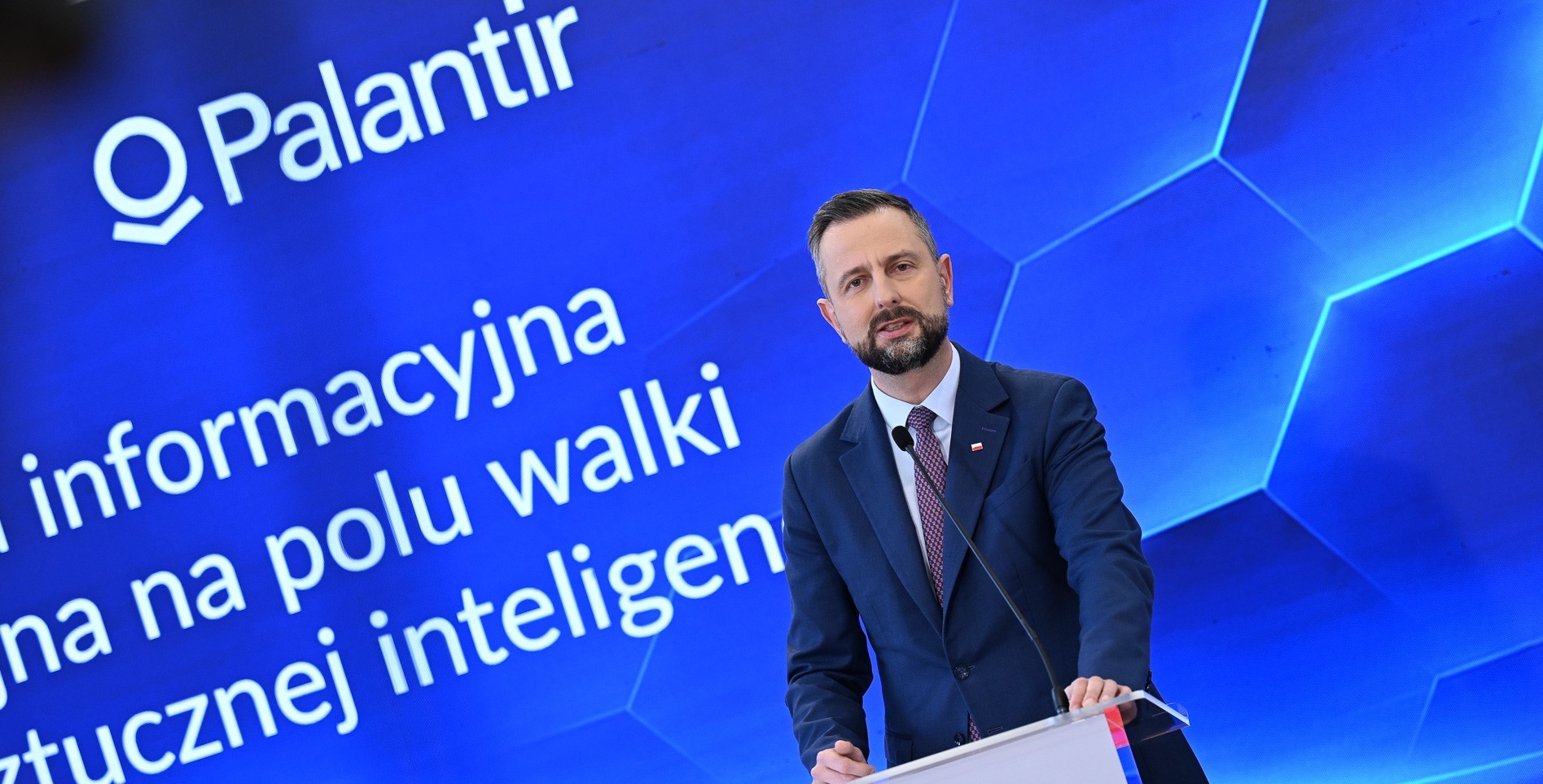
Poland's defence ministry signed a $300 million (1.2 billion zloty) five-year contract with Palantir for Maven…
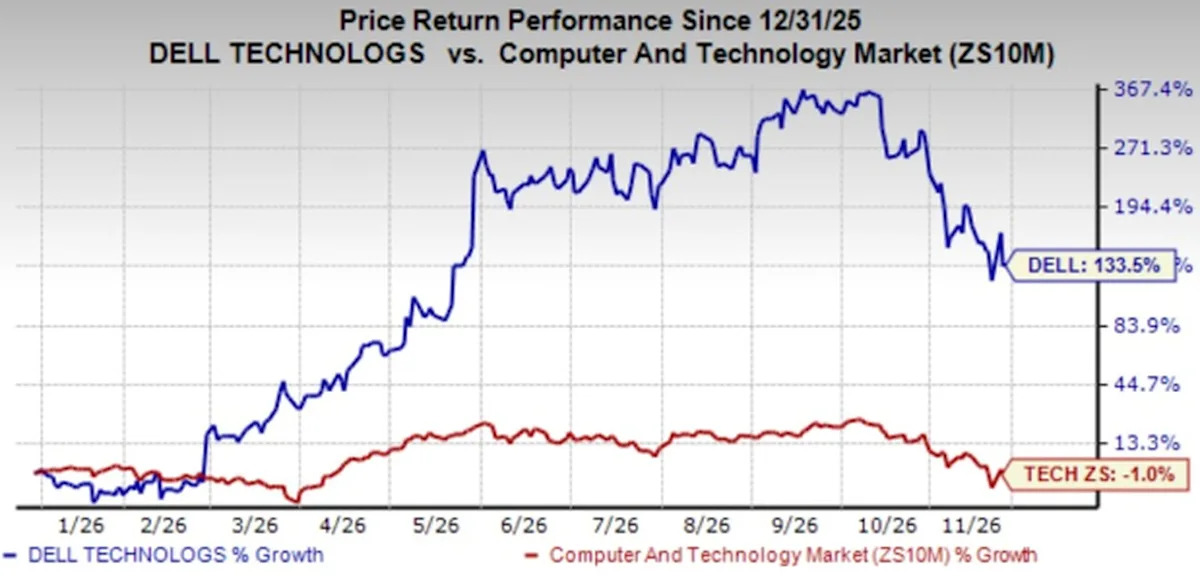
Yahoo Finance reports that DELL's AI server sales surged, raising the question of whether the growth momentum…
A Walmart cashier in southern Oregon, speaking anonymously with United for Respect, said she gets at least 10…