
What happened
At RCR Wireless' 6G Forum, Verizon CTO Yago Tenorio said AI could push the downlink-to-uplink ratio from 9:1 toward 1:1, requiring a breakthrough "all the way down to the architecture."
Why it matters
Today's networks dedicate far more bandwidth to downloads than uploads, so AI wearables like smart glasses sending continuous data could strain uplink capacity unless decoupling or other ideas work.
Summaries like this, in your inbox every morning.
Mobile networks have historically been built around download speed, with typical downlink-to-uplink ratios of 9:1 or 8:2. Verizon's CTO Yago Tenorio argues that AI could flip that assumption. In his scenario, devices would continuously send sensing, video or audio data about a user's reality to an AI agent in the cloud or network edge—a shift toward a 1:1 ratio.
The challenge is that many of these devices will be AI wearables like smart glasses, which are limited by size, power, heat dissipation and antenna count. As Tenorio put it, "You need more capacity, but the device is less capable." He pointed to techniques like sub-band full duplex but suggested a bigger rethink is needed, perhaps a full decoupling of uplink and downlink with pervasive uplink receivers closer to customers.
Carriers are already experimenting. T-Mobile is looking into decoupling as an upcoming 6G feature, and AT&T cited upstream capacity in its EchoStar spectrum acquisition. Verizon itself is testing 5G uplink improvements with Ericsson's 32T32R massive MIMO radios. Tenorio said the industry has a "precious two years" to design 6G around use cases—a window that will shape whether these approaches become standard.
Pick your industry and the AI tools you use, and get news related to your work every day.
Free · 30 seconds with Google · unsubscribe anytimeWhat is AIToday? →
Ask AI anything about this article. The AI reads this article, earlier AIToday articles, and Wikipedia, and cites its sources. Q&As are published on this page for other readers too.
Broadcom CEO Hock Tan said AI growth faces a capital hurdle and described a "casino" element in AI investing

Citigroup CEO stated that AI spending is not slowing down despite higher interest rates

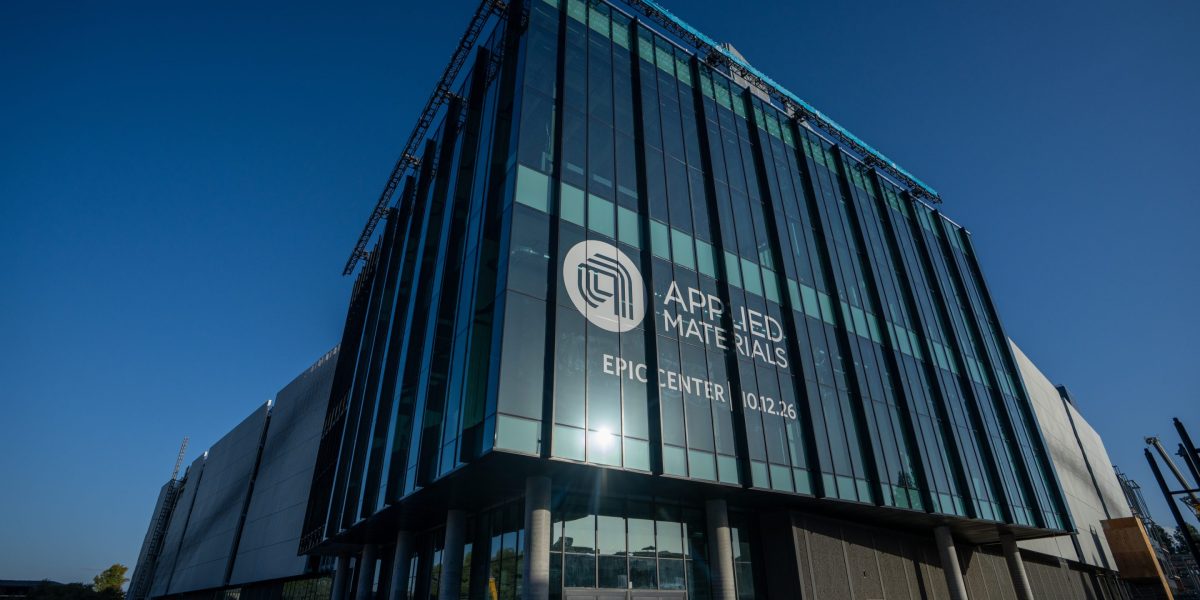
Applied Materials officially unveiled its $5 billion EPIC facility, a 600,000-square-foot research center at i…
Marvell Technology announced the second generation of its Structera X family, which it calls the industry-firs…

According to Bloomberg.com, Caterpillar shares could be heading for a 30% slump, as indicated by the title "Ca…

Reuters reports that the pharma sector is doubling down on AI as a way to cut costs and timelines