What happened
Notion's AI Product Engineering lead, Ryan Nystrom, used OpenAI's Codex to bring Notion's AI voice input to the web, a feature previously only on mobile. Codex delivered a complete first cut in one shot, matching codebase conventions, and it shipped the next day.
Why it matters
This project, which Nystrom estimates would have taken two engineers two weeks two years ago, was completed solo in three or four hours. Codex is changing engineering work at Notion, allowing parallel tasks and letting managers code again, potentially resetting what small teams can achieve.
What to watch
The speed of this shipment suggests Notion may accelerate feature delivery, but hinges on Codex's ability to consistently meet codebase standards without cleanup. Note the contrast: Nystrom says he no longer writes code by hand, spending more time on spec documents instead.
Summaries like this, in your inbox every morning.
Notion's experience with Codex marks a shift in how a mature software company approaches building. The article highlights a move toward agent-friendly abstractions and hiring for curiosity over traditional experience, since the field is so new. Codex's ability to autonomously explore code and produce standard-compliant solutions means engineers can delegate implementation and focus on specification and verification, altering the manager's role from overseer to active contributor.
The voice input project is a concrete example: a task that once demanded two weeks of joint effort now takes hours solo, because Codex can assimilate existing mobile code and translate it to the web. This efficiency gain raises the ceiling for what small teams—even individuals—can ship, but it depends on Codex's reliability. The article shows Nystrom preparing detailed specs and verification methods, suggesting that success hinges on how well humans can articulate problems and check results, rather than on manual coding skill. As this workflow matures, the bottleneck may shift from coding capacity to the quality of specifications and the trust engineers place in autonomous agents.
Pick your industry and the AI tools you use, and get news related to your work every day.
Free · 30 seconds with Google · unsubscribe anytimeWhat is AIToday? →
Ask AI anything about this article. The AI reads this article, earlier AIToday articles, and Wikipedia, and cites its sources. Q&As are published on this page for other readers too.
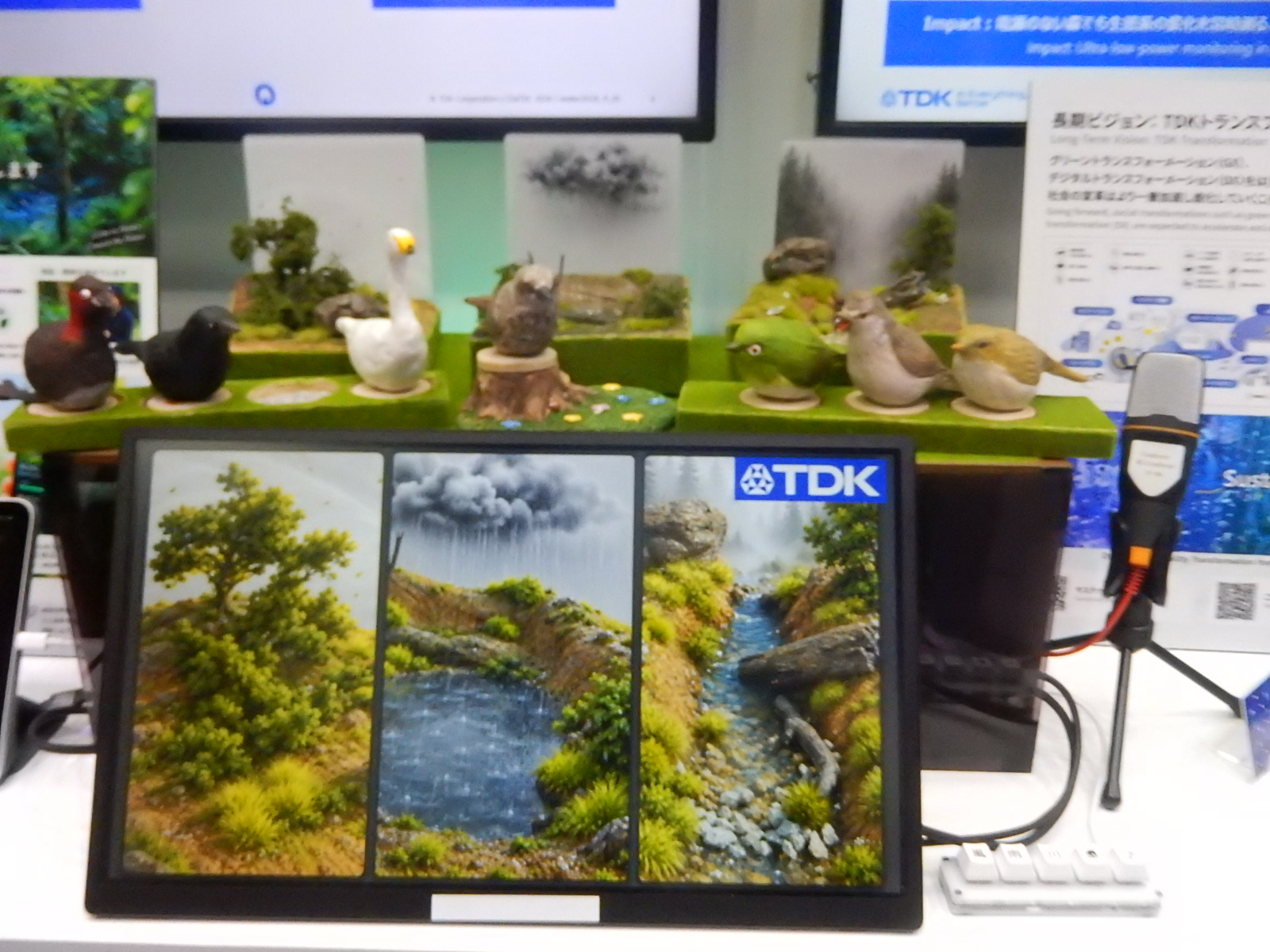
At CEATEC 2026, TDK ran a demonstration of wild-bird audio recognition that uses reservoir computing technolog…
ElevenLabs completed a $300 million employee tender at a $22 billion valuation, and co-founder Mati Staniszews…

Nichiren announced its generative AI voice usage guideline on October 15, built on three pillars: prior notice…

A walkthrough shows Irodori-TTS, an open Japanese-only TTS model by Aratako, running on Databricks Model Servi…
A solo developer built Yurune, a web app that plays synthesized rain, wave and forest sounds and lets users ta…

The developer benchmarked Moonshine Voice's Japanese "Small Streaming" model against faster-whisper's small mo…


