What happened
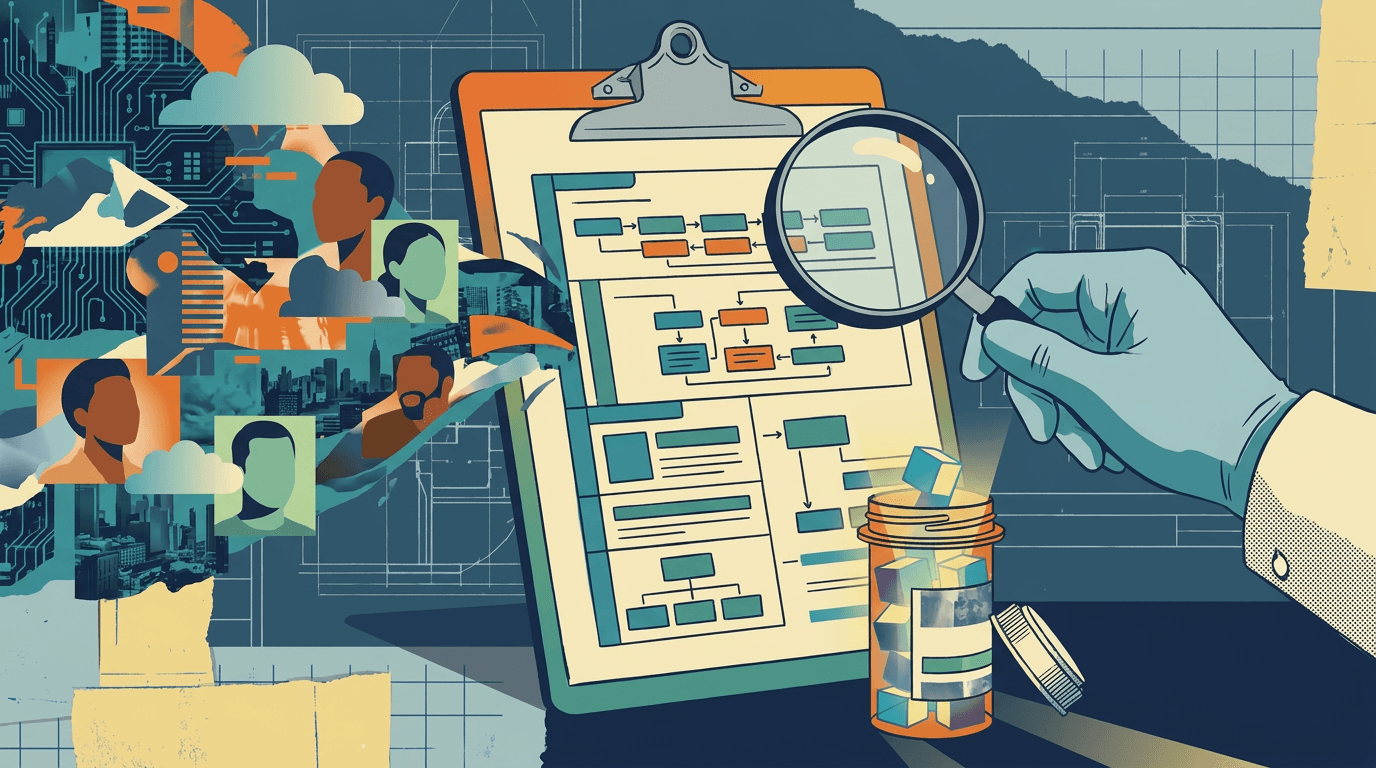
University of Bristol researchers proposed a "Learning Ensemble" framework modeled on drug approval, covering three checks developers must document before patient use: system limits, reliability across patient groups, and clinical fit.
Why it matters
The authors cite past failures where AI looked accurate in testing but broke in the clinic, so a shared vocabulary may catch such gaps earlier than today's ad hoc testing, though the framework is a starting point, not a fix.
What to watch
The framework is a proposal, so its value hinges on whether developers and reviewers actually adopt and enforce it; watch for it moving from paper to practical trial and error.
WHO IT HITSThe proposal lands on medical AI developers, hospital review boards, and clinicians who sign off on deploying diagnostic tools, since it asks them to document a system's intended users, hardware, training data, and fairness across patient groups before it reaches patients.
Summaries like this, in your inbox every morning.
The University of Bristol researchers start from a familiar problem: medical AI can look good in early tests but fail once it reaches the clinic, because it latches onto features in the training data unrelated to the actual diagnosis. Medicine already handles a similar uncertainty with drugs whose exact bodily effects aren't fully understood, by attaching a structured information package that spells out dose, timing, and patient group — turning a chemical into a dependable therapy. The Bristol proposal copies that logic for AI.
The framework's three checks draw on concrete past failures. A 2021 study of a COVID X-ray system showed it keyed on incidental image details and failed at a different clinic. Another 2021 study found X-ray-reading AI was far less likely to detect disease in underserved populations, which would have hurt patients already getting worse care. The authors consider the third area — clinical fit — most important, citing an AI that rated asthma patients with pneumonia as low mortality risk because training data reflected aggressive ER treatment, making it worthless for triage.
The authors present this as a starting point, not a finished solution. Practical reliability remains trial and error, requiring expertise, outside review, and constant tweaking. The stakes hinge on whether developers and reviewers adopt the shared language early enough to catch problems before deployment.
For example, today's edition would include:
AI-summarized, only the topics you pick — one digest a day via Email, LINE, or Slack.
Free · 30 seconds with Google · unsubscribe anytimeWhat is AIToday? →
Ask AI anything about this article. Q&As are published on this page for other readers too.
Microsoft CEO Satya Nadella was expected at this week's White House state dinner for Chinese President Xi Jinp…

Microsoft AI chief Mustafa Suleyman said science and technology should serve humanity, that companies should n…

The US proposed a superpower AI safety mechanism in talks with top Chinese economic officials, but analysts vo…

The Gates Foundation is committing at least $1 billion over the next two years to make AI work across more lan…

Treasury Secretary Scott Bessent said Sunday the two sides agreed to an official AI dialogue, with a proposed…

California Governor Gavin Newsom signed an executive order to speed third-party AI safety oversight and indepe…