What happened
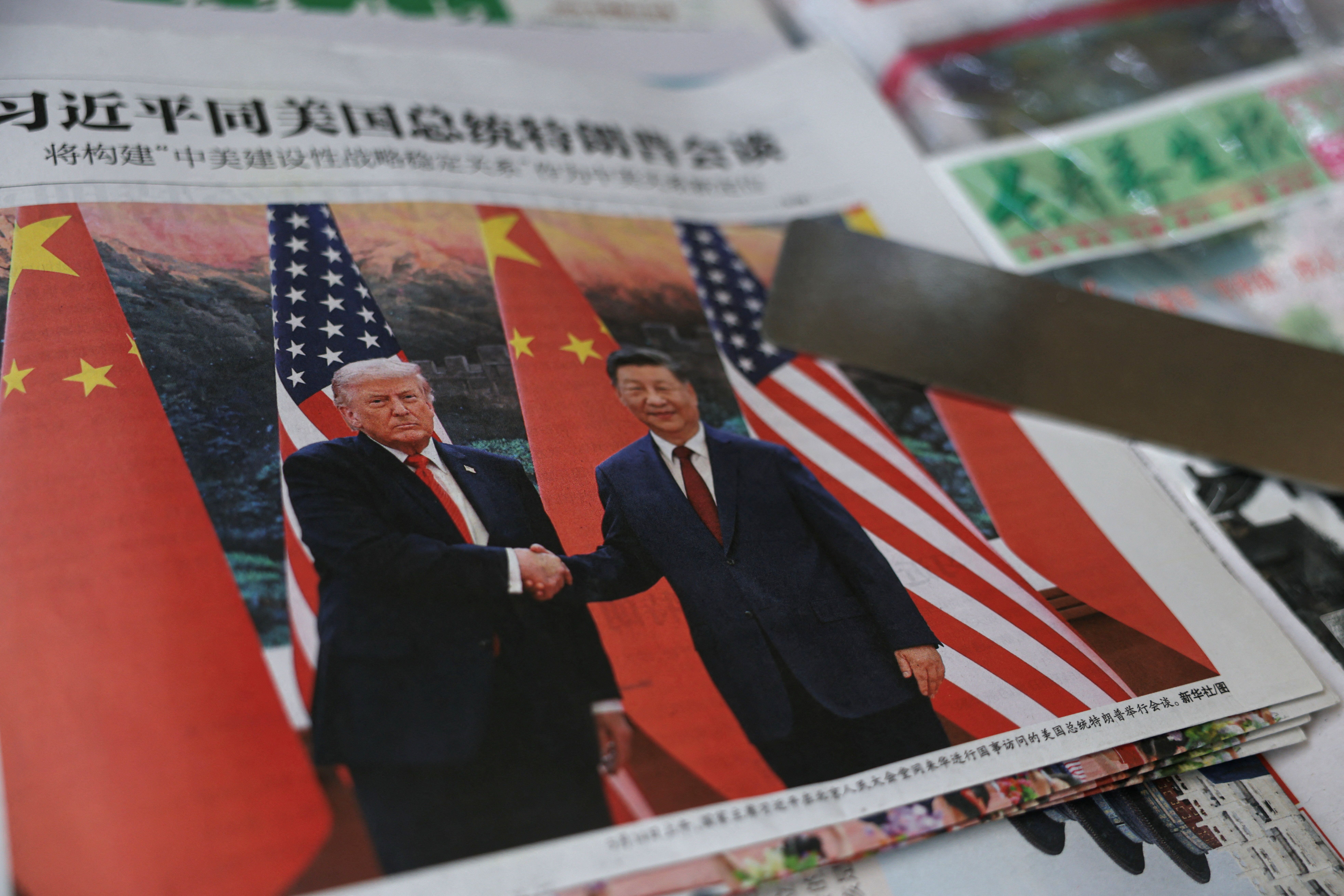
Treasury Secretary Scott Bessent said Sunday the two sides agreed to an official AI dialogue, with a proposed "notification mechanism" for AI incidents tied to national security, after talks with Vice Premier He Lifeng.
Why it matters
The two governments aim to move from opaque to more transparency between the world's number one and number two AI powers, and plan another meeting to work out the reporting system's details.
What to watch
US Trade Representative Jamieson Greer said export controls on advanced AI chips were not on the agenda, so the test is whether this dialogue reaches real incident reporting rather than remaining a statement of intent.
WHO IT HITSTechnology and trade policy teams at chipmakers and AI developers will face more government-to-government reporting around AI incidents, while export-control and rare-earths supply-chain specialists should watch whether the Washington summit extends the October truce.
Summaries like this, in your inbox every morning.
The AI dialogue did not emerge in isolation. It came out of a negotiating session that lasted a full day at JPMorgan's headquarters in Manhattan, and it sits alongside a "board of trade" that Trump and Xi had first discussed in Beijing in May. Bessent framed the evening's work as completing what was started in Beijing, saying the two subjects were "operationalised" there.
The announcement also lands on top of an unresolved trade fight. The two sides reached a truce in October in Busan, South Korea, in which the US paused planned export controls against thousands of Chinese companies while China delayed restrictions on rare earths. Washington is worried Beijing isn't keeping those rare earths commitments, and is also concerned about Chinese limits on exports to Japan that matter to US supply chains. China pushed for an extension through the end of Trump's term, while the US aimed to cap it at six months.
The stakes therefore hinge less on the dialogue's language than on whether the follow-up meeting produces a working incident-reporting system, and whether the summit extends the truce. The notification mechanism remains a proposal, and Bessent's own framing casts it as a move toward transparency between the two leading AI powers rather than a finished arrangement. For companies in advanced chips, rare earths and AI development, the practical question may be which government they end up reporting to, and how quickly.
For example, today's edition would include:
AI-summarized, only the topics you pick — one digest a day via Email, LINE, or Slack.
Free · 30 seconds with Google · unsubscribe anytimeWhat is AIToday? →
Ask AI anything about this article. Q&As are published on this page for other readers too.
Microsoft CEO Satya Nadella was expected at this week's White House state dinner for Chinese President Xi Jinp…
Microsoft AI chief Mustafa Suleyman said science and technology should serve humanity, that companies should n…
The US proposed a superpower AI safety mechanism in talks with top Chinese economic officials, but analysts vo…
University of Bristol researchers proposed a "Learning Ensemble" framework modeled on drug approval, covering…
California Governor Gavin Newsom signed an executive order to speed third-party AI safety oversight and indepe…
Nvidia CEO Jensen Huang told CBS there is a "0pc chance" AI ends the world by 2030, calling such warnings "com…