Credit card companies are starting to pay for AI service subscriptions and usage fees on behalf of their cardholders, treating AI access as a new benefit category. This reflects growing recognition that AI tools are becoming essential to daily work and commerce, and positions credit cards as a competitive channel for AI adoption. The trend mirrors how cards historically bundled premium services like travel rewards, but the terms and breadth of these AI benefits remain to be defined.
Summaries like this, in your inbox every morning.
Sign up free →What happened
Credit card issuers are beginning to absorb the costs of artificial intelligence services for their customers, effectively subsidizing AI tool subscriptions and usage fees that would otherwise be paid directly by cardholders.
Why it matters
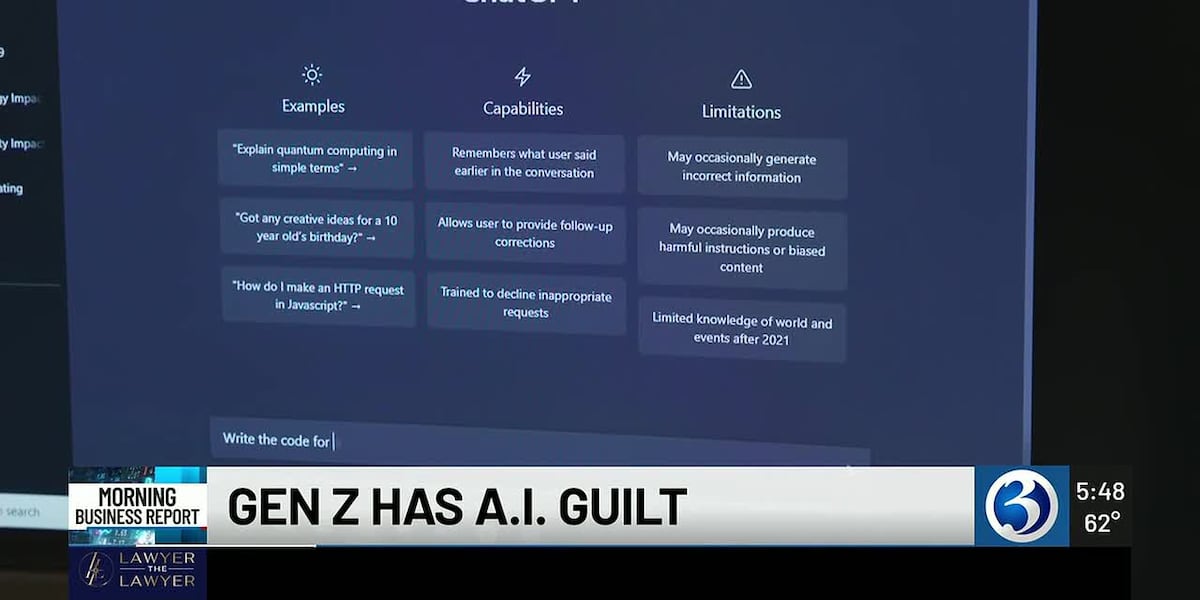
As AI tools like ChatGPT become embedded in everyday business workflows, credit card companies are positioning themselves as a gateway to these services—similar to how they historically bundled travel and concierge benefits. This move signals that AI access is becoming competitive currency in the credit card market, and cardholders may soon expect AI benefits as a standard card perk rather than an added expense.
What to watch
The scale and scope of these AI benefits remain unclear from current announcements. Monitor whether major card networks (Visa, Mastercard) or large issuers (JPMorgan Chase, Bank of America, American Express) expand these offerings, how they negotiate costs with AI providers, and whether this trend spreads beyond premium card tiers to broader consumer offerings.
Credit card companies are entering a new phase of competition by absorbing the subscription and usage costs of artificial intelligence services for their cardholders. Rather than forcing customers to pay out-of-pocket for tools like ChatGPT or other AI platforms, card issuers are positioning themselves as intermediaries that cover these expenses as a bundled benefit. This mirrors a long-standing credit card strategy of bundling premium services—travel insurance, concierge lines, purchase protections—to justify annual fees and differentiate products in a crowded market. The shift signals that AI tool access is now viewed as a competitive necessity in credit card offerings. As more businesses and individuals integrate AI into their daily workflows, credit card companies appear to believe that subsidizing these costs will increase card usage, strengthen customer loyalty, and establish themselves as gateways to productivity software. The article does not detail which specific AI services or card issuers are leading this trend, nor does it clarify whether the benefits apply universally or are restricted to premium card tiers, leaving questions about scale and scope for coming announcements.
Credit card companies have historically competed on non-financial perks—travel lounges, concierge services, purchase protection—to differentiate premium offerings and justify annual fees. The move to subsidize AI services extends that playbook into an emerging category: software and digital tools that are becoming integral to professional and personal productivity. By absorbing the cost of ChatGPT, Claude, or similar services, card issuers are attempting to lock in usage and loyalty by making AI access frictionless for their customers. This also represents a strategic bet that AI adoption will accelerate, and that early integration into credit card benefits can strengthen card stickiness and usage volume. The timing reflects a market moment where AI tools are transitioning from novelty to necessity for many knowledge workers and small businesses.
AI-summarized, only the topics you pick — one digest a day via Email, Slack, or Discord.
Free · takes 30 seconds · unsubscribe anytime
No comments yet. Be the first to share your thoughts!
Log in to join the discussion


Get curated AI news from 200+ sources delivered daily to your inbox. Free to use.
Get Started FreeFree · takes 30 seconds · unsubscribe anytime
1 minute a day. The AI essentials.
200+ sources · Email / LINE / Slack
