What happened
Bernstein analyst Mark Moerdler estimates OpenAI's computing commitments could mean $614 billion of infrastructure spending through 2030, versus the widely cited $750 billion.
Why it matters
The gap suggests headline commitments overstate near-term cash needs, since some partnerships lack fixed delivery schedules or binding purchase quantities — easing investor worry that AI developers have promised more capacity than revenue can support.
Summaries like this, every morning.
The $614 billion estimate rests on an assumption Bernstein itself calls unlikely: that every identified contract proceeds on schedule. Construction delays, cancellations and flexible hardware purchases could reduce or defer payments, so the true figure may land lower or later than the headline number suggests. That distinction is central for investors worried that AI developers have promised more computing capacity than their revenues can support.
OpenAI's revenue growth is the other side of the ledger. It reportedly reached nearly $50 billion in annualized revenue in September, growing 77% year over year, which could help fund the expanding infrastructure requirements — though projections remain uncertain. The provider mix also matters: OpenAI accounts for less than half of Oracle's remaining performance obligations, and Microsoft's diversified cloud operations could cushion delays better than smaller infrastructure specialists.
The bigger risk may arrive later, when computing shortages ease. That could expose speculative construction projects and providers dependent on expensive financing, while existing contracts with established cloud companies appear more resilient than future demand for specialized computing rentals.
Pick your industry and the AI tools you use, and get news related to your work every day.
Free · 30 seconds with Google · unsubscribe anytimeWhat is AIToday? →
Ask AI anything about this article. The AI reads this article, earlier AIToday articles, and Wikipedia, and cites its sources. Q&As are published on this page for other readers too.
A stock screen highlighted Taiwan Semiconductor Manufacturing and Tokyo Electron among 3 AI infrastructure sha…
UBS strategist Matthew Carter said investors should spread AI exposure beyond a few tech giants, and UBS raise…
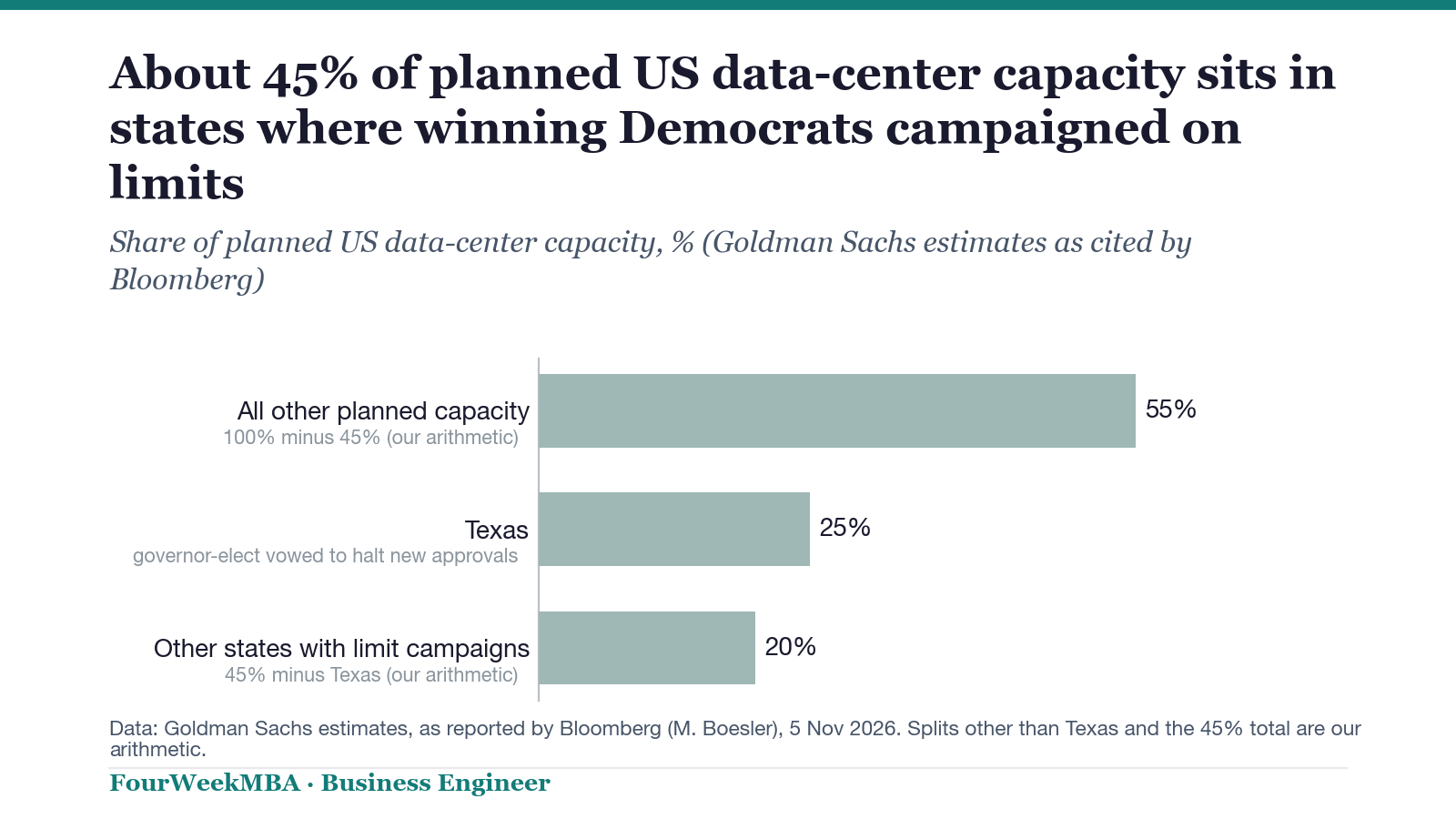
Deutsche Bank economist Brett Ryan told Bloomberg that data-center moratoriums could prevent the AI buildout f…
CesiumAstro closed a $730 million Series D led by Janus Henderson at a valuation exceeding $4.5 billion, and a…

Berkshire Hathaway shares rose more than 5% this week while the S&P 500 fell almost 2.7%, lifting its B shares…

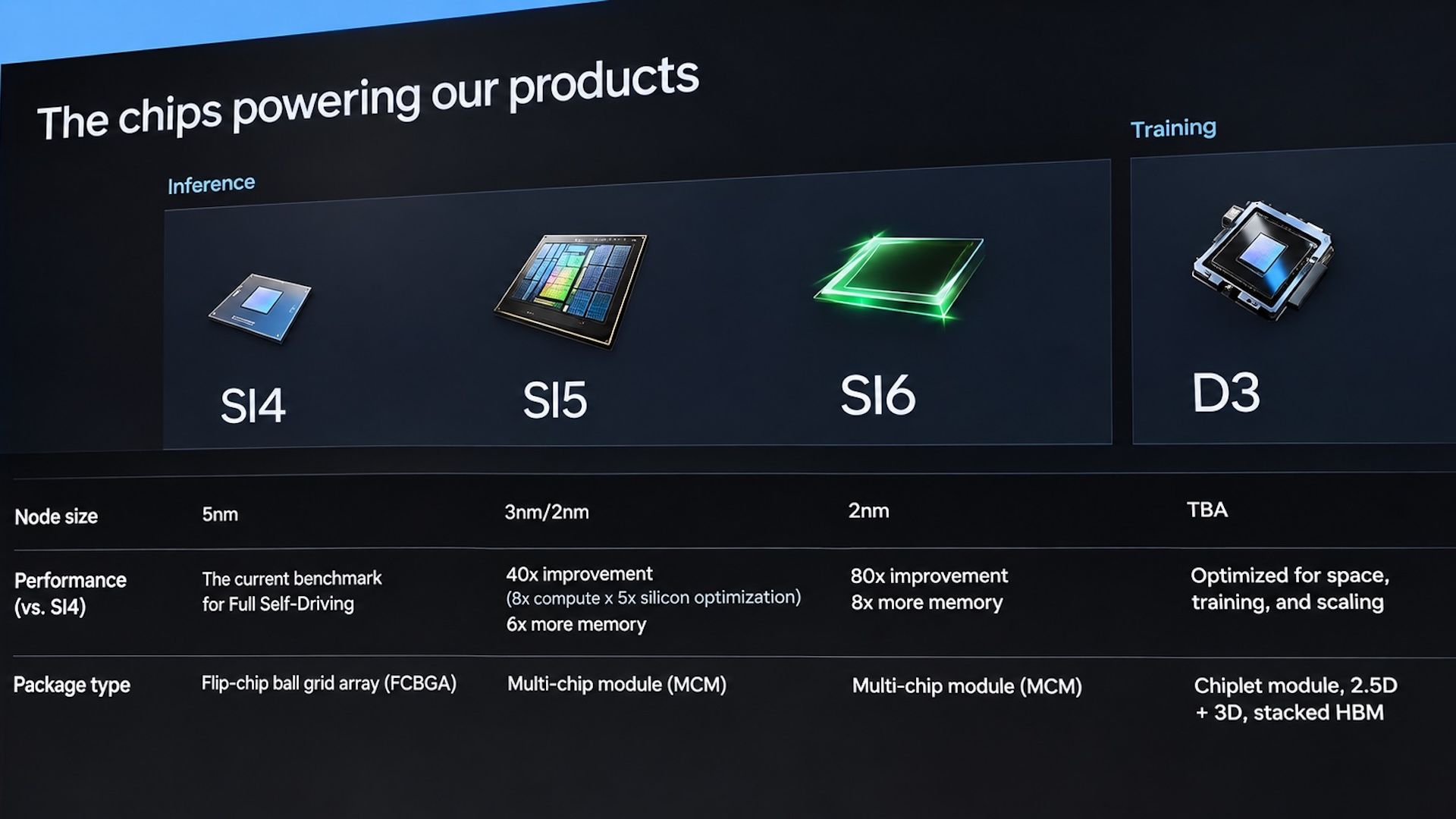
Tesla unveiled a chip roadmap under 'SI' (Super Intelligence) branding, saying its SI6 inference accelerator w…