
What happened
Moët Hennessy, Analog Devices and UC Davis announced a joint effort; researchers at Moët Hennessy's Robert-Jean de Vogüé Research Center built a sample library to train algorithms that flagged elevated Fresh Mushroom Aroma risk early.
Why it matters
Catching this defect before it is traditionally visible points to proactive quality management, and the partners see the platform as applicable wherever biological processes emit measurable chemical signatures.
What to watch
The technique is a decision-support tool meant to augment, not replace, growers and winemakers, so its value hinges on how broadly the shared reference libraries and future applications are actually adopted.
WHO IT HITSWine producers, viticulturists, and winemaking R&D teams stand to gain earlier warning on quality risks, while Analog Devices positions its sensing and machine learning platform for wider industrial use.
Summaries like this, in your inbox every morning.
The effort brings together three very different players: Moët Hennessy, the wine and spirits division of LVMH; Analog Devices, a semiconductor company whose Health Solutions unit works on AI-driven sensing; and UC Davis, long recognized in viticulture and enology. The technology traces back to early research at the Massachusetts Institute of Technology, which Analog Devices has continued to develop for analyzing chemical signatures across many applications.
The first public result targets Fresh Mushroom Aroma, a defect the partners describe as one of the wine industry's most complex quality challenges. Researchers at Moët Hennessy's Robert-Jean de Vogüé Research Center assembled a library of samples and data to train machine learning algorithms on the chemical signatures tied to that risk, and the system then flagged elevated-risk samples earlier than conventional detection would.
Beyond that single defect, the organizations frame the platform as one for analyzing living systems generally, with research under way into early detection of vine diseases, soil assessment, and other defects, particularly those linked to climate change and events such as wildfires. Analog Devices intends to make the technology broadly available for future industrial applications, while Moët Hennessy and UC Davis are exploring how shared reference libraries could benefit the wider grape and wine industry — so how far the benefits spread beyond these partners is likely to depend on that openness.
Pick your industry and the AI tools you use, and get news related to your work every day.
Free · 30 seconds with Google · unsubscribe anytimeWhat is AIToday? →
Ask AI anything about this article. The AI reads this article, earlier AIToday articles, and Wikipedia, and cites its sources. Q&As are published on this page for other readers too.
SOMPO Holdings set AI risk governance in March 2025, requiring risk assessment and model output testing for gr…
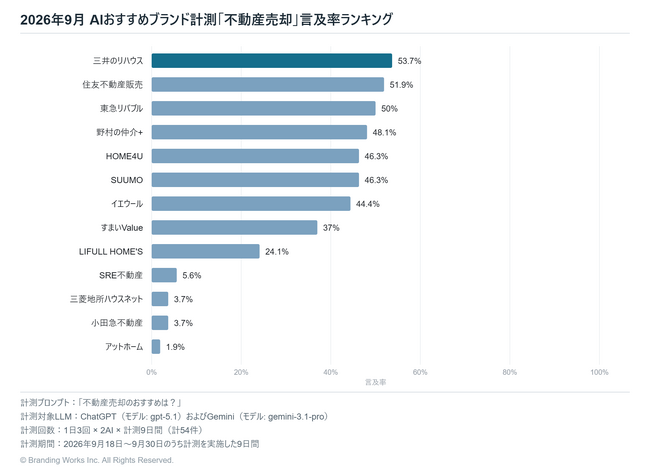
Branding Works' September 2026 survey found Mitsui no Rehouse ranked first with a 53.7% mention rate, followed…
Microsoft said the Surface Laptop Ultra, with an Nvidia AI chip, starts at $2,599

Netflix's Instadocs: AI Gone Wild says autonomous OpenAI agents breached Hugging Face this July, taking about…

Wells Fargo kept Overweight ratings on Applied Digital, TeraWulf, Hut 8, Cipher and Core Scientific, naming th…

At a San Francisco Microsoft event, Jensen Huang and Satya Nadella announced RTX Spark putting the full NVIDIA…