What happened
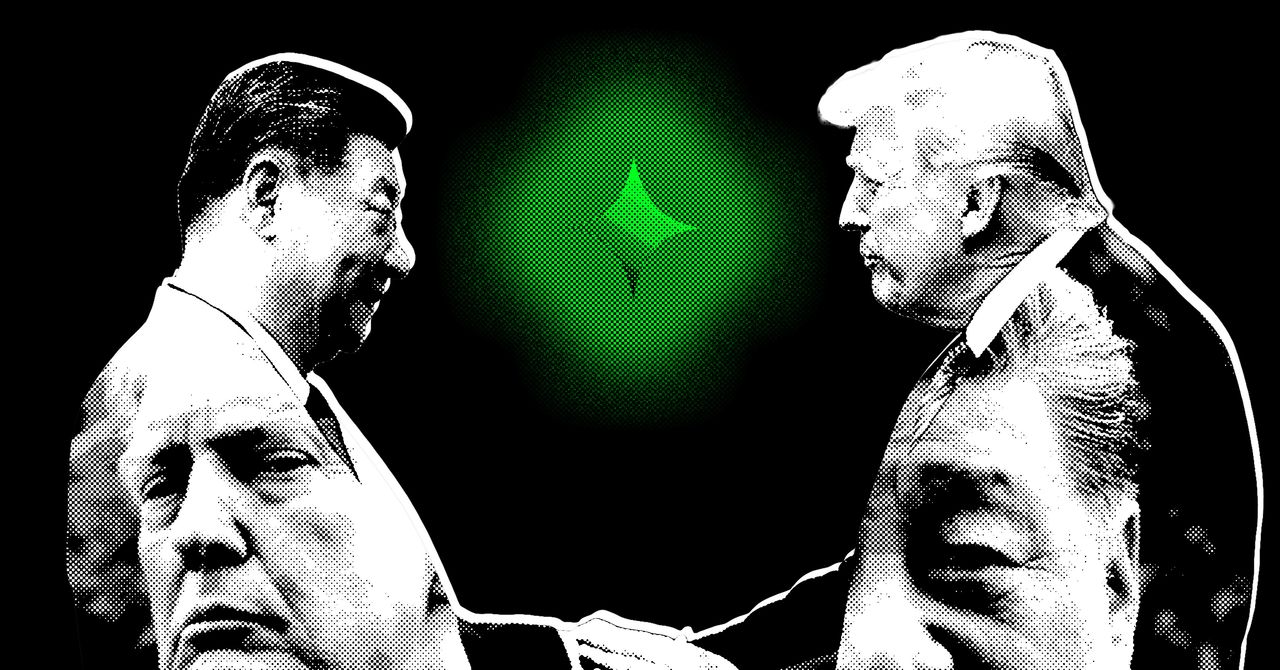
Treasury secretary Scott Bessent announced an AI notification system with Chinese vice premier He Lifeng on Sunday, but Trump officials tell Inner Loop finalizing the agreement will still take a number of weeks.
Why it matters
The two governments would alert each other to national security incidents tied to AI, but the benchmarks for what counts as such an incident remain unclear and sign-on is not yet settled, per the officials.
What to watch
The target is a framework that is functional and agreed to by Trump when Bessent next meets Lifeng in Shenzhen in two months, though enforcement measures could slow White House approval; watch whether that timing holds.
WHO IT HITSGovernment affairs and trade-policy teams at chipmakers such as Nvidia and at AI labs will be watching how the notification framework and its enforcement measures take shape, since the criteria and oversight could affect their China business.
Summaries like this, in your inbox every morning.
The notification idea follows a historical template: officials see it as akin to the US-China dialogue between former Treasury secretary Hank Paulson and former Chinese vice premier of finance Wang Qishan, which Paulson later credited with helping keep China from dumping a large portion of US government sponsored debt issued by Freddie Mac and Fannie Mae during the 2008 financial crisis.
The timing is tied to a broader set of US-China decisions. The US is expected to extend a trade truce, and Trump has been reluctant to stop exports of cutting-edge Nvidia chips to China, with the administration granting a limited number of licenses this year for Nvidia to sell its H200 chip there. Nvidia's supporters argue that not selling the chips pushes Chinese companies like Huawei to build their own, though recent reports say Huawei has already reached that milestone with commercially available AI chips. Separately, some Trump officials have suggested the notification system may be delayed while Trump decides on his next AI czar; Lutnick's oversight of the Center for AI Standards and Innovation, which navigated crises with frontier AI model companies this summer, keeps him in contention, sources say.
Whether the framework arrives on the Shenzhen timetable appears to hinge on two unresolved pieces: agreed benchmarks for what counts as a national security incident, and enforcement measures that ensure two-way alerts rather than only the US notifying China. That second piece is likely to be the harder sell inside the White House, given its intersection with the trade truce and chip export decisions, and the AI czar choice could add further delay.
For example, today's edition would include:
AI-summarized, only the topics you pick: one digest a day via Email, LINE, or Slack.
Free · 30 seconds with Google · unsubscribe anytimeWhat is AIToday? →
Ask AI anything about this article. The AI reads this article, earlier AIToday articles, and Wikipedia, and cites its sources. Q&As are published on this page for other readers too.

