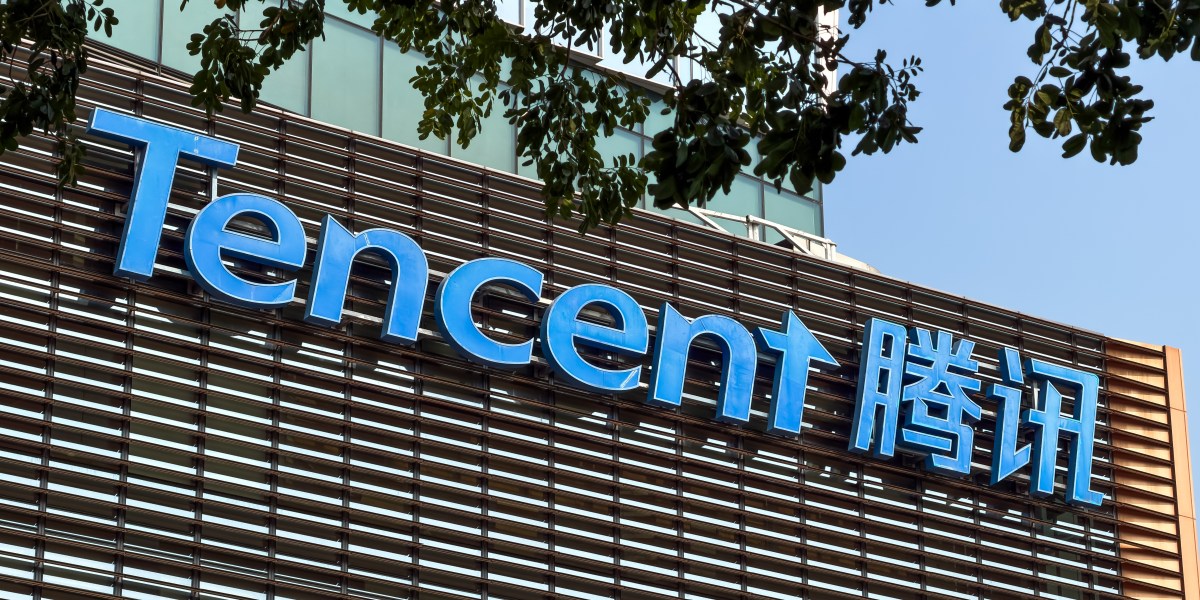
TSMC and Tencent have broken into the Fortune Global 500 top 100 for the first time, driven by surging global demand for AI chips and digital platforms. TSMC reached No. 82 with $122.3 billion(約20兆円) in 2025 revenue (up 35.6%), while Tencent reached No. 97 with $104.6 billion(約17兆円) (up 14%), underscoring how the AI boom is reshuffling corporate scale across Asia, which supplies the hardware backbone of the global AI infrastructure.
Summaries like this, in your inbox every morning.
Sign up free →What happened
TSMC surged 44 spots to No. 82 on the Fortune Global 500 with $122.3 billion(約20兆円) in 2025 revenue (up 35.6% from 2024), while Tencent jumped 19 spots to No. 97 with $104.6 billion(約17兆円) in revenue (up 14% from 2024). Both companies entered the top 100 for the first time, as surging global AI demand fuels semiconductor and hardware revenues across Asia.
Why it matters
The AI boom is reshuffling corporate size and power across Asia, which forms the hardware backbone of the global AI supply chain. TSMC serves major clients like Apple and Nvidia, while Tencent benefits from AI-driven ad targeting in its advertising business. For businesses dependent on chips or digital platforms, these companies' rapid growth signals both the scale of AI infrastructure demand and Asia's central role in meeting it.
What to watch
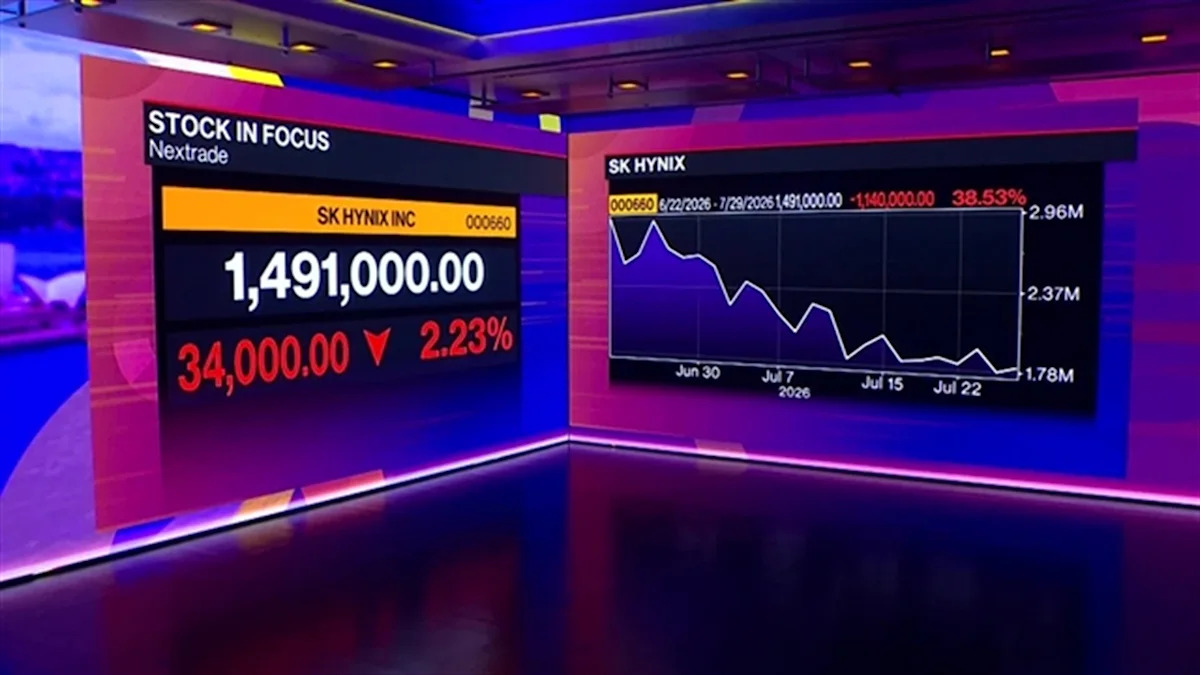
Other Asian hardware firms are also soaring—Wistron (Taiwan electronics manufacturer) posted the largest jump of any company on this year's list at 298 spots to No. 198, with 2025 revenue of NT$2.19 trillion(約350兆円), or $70.18 billion(約11兆円) (a 115% jump from 2024), driven by new business assembling servers with Nvidia AI processors. SK Hynix (South Korea) rose 101 spots to No. 210 with $68.3 billion(約11兆円) in revenue, becoming the leading supplier of high-bandwidth memory chips for AI processors.
For the first time in its history, the Fortune Global 500 has two Asian companies entering its top 100 entirely on the back of AI demand: TSMC and Tencent. TSMC, Taiwan's semiconductor manufacturer serving clients including Apple and Nvidia, soared 44 spots to rank No. 82. The company reported total revenue of $122.3 billion(約20兆円) in 2025, a 35.6% increase from 2024. The scale of Nvidia's reliance on TSMC is striking—Nvidia has reserved the majority of the chipmaker's capacity, and the two firms partnered last October to onshore advanced chip packaging capabilities to Phoenix, Arizona. Tencent, the Chinese software company behind social media platforms WeChat and QQ and global gaming titles including Honor of Kings and PUBG Mobile, climbed 19 spots to No. 97, just making the top 100. Tencent generated $104.6 billion(約17兆円) in revenue in 2025, up 14% from the prior year. While the company's gaming business grew, its advertising business showed particularly strong expansion thanks to new AI-driven ad targeting capabilities. The company is also investing heavily in AI itself; in March, Tencent announced plans to double AI-related spending to 36 billion yuan, or $5.2 billion(約8300億円), to support model training and talent acquisition.
Asia's gains extend well beyond these two leaders. Wistron, a Taiwan-based electronics manufacturer, achieved the largest jump of any company on this year's list, rising 298 spots to No. 198. The company posted 2025 revenue of NT$2.19 trillion(約350兆円), or $70.18 billion(約11兆円), a 115% jump from the year before. Wistron, along with Quanta Computer and Foxconn, is seeing surging revenue from a new business: assembling servers that use AI processors from companies like Nvidia. The pace of this new business is unlike anything in prior server cycles. Wistron's chair Simon Lin told Fortune: "In the past, one server generation typically lasted about two and a half to three years. You'd spend roughly a year designing a product, then it would stay in the market for about two years. With AI, not only are there new products every year, but each generation is a meaningful technological leap." South Korea's SK Hynix also moved significantly, rising 101 spots to No. 210 with 2025 revenue of $68.3 billion(約11兆円). The company has become the leading supplier of high-bandwidth memory chips, a critical component in the AI processors manufactured by Nvidia and competitors. SK Hynix recently conducted a $28.5 billion(約4.6兆円) listing in the U.S. markets, the largest-ever share sale by a foreign company in U.S. markets.
Several other Asia-based companies are making their debut on the 2026 Global 500 list. Chery Automobile enters at No. 383 with $41.8 billion(約6.7兆円) in revenue. China's top car exporter for 23 years, Chery generates 70% of its sales from overseas shipments, primarily of internal combustion engine vehicles to markets in the Middle East, Africa, and Russia, though it is beginning to export electric vehicles as well. WT Microelectronics debuts at No. 431 with $37.8 billion(約6兆円) in revenue; established as a local semiconductor distributor in Taiwan in 1993, it has grown into a major supply chain partner. Daikin Industries enters at No. 498 with $33.3 billion(約5.3兆円) in revenue; as the world's largest HVAC maker, Daikin has benefited from surging demand for cooling products as Europe experienced one of its most intense heatwaves on record last month, with European air conditioning and refrigeration sales growing by almost 10% in the last financial year. Finally, Coupang, often referred to as South Korea's Amazon, debuts at No. 479 with $34.5 billion(約5.5兆円) in revenue. Though incorporated in Delaware with Seattle as its official headquarters, Coupang generates over 90% of its revenue from South Korea, where it operates one of the country's largest e-commerce and logistics networks.
The 2026 Fortune Global 500 reflects a fundamental shift in corporate power driven by AI infrastructure demand. Asia's ascent is no accident: the continent forms the backbone of the global AI supply chain, from semiconductor manufacturing (TSMC, SK Hynix) to server assembly (Wistron, Quanta Computer, Foxconn) to digital platforms that monetize AI (Tencent). TSMC's 44-spot jump and $122.3 billion(約20兆円) revenue—up 35.6% year-on-year—reflects the intensity of this demand; the company now manufactures chips for Apple and Nvidia, with Nvidia having reserved the majority of its capacity. Tencent's entry at No. 97, while a smaller 19-spot jump, signals the opportunities for AI-native monetization: the company is investing heavily (doubling AI spending to 36 billion yuan, or $5.2 billion(約8300億円)) and already seeing returns through AI-driven ad targeting in its advertising business.
What distinguishes this cycle from prior tech booms is the pace and scale of product turnover. Wistron's chair Simon Lin told Fortune that whereas a single server generation used to last two and a half to three years, AI servers now see a new generation annually—each a meaningful technological leap. This acceleration is pulling suppliers up the rankings faster than typical: Wistron's 298-spot jump to No. 198 is the largest leap on the entire list. SK Hynix's rise to No. 210 (up 101 spots) and its status as the leading supplier of high-bandwidth memory chips underscores how specialized components are becoming bottlenecks and thus revenue drivers. These companies are not merely benefiting from growth in an existing category; they are riding the creation of a new, fast-cycling supply chain built around AI processors.
AI-summarized, only the topics you pick — one digest a day via Email, Slack, or Discord.
Free · takes 30 seconds · unsubscribe anytime
No comments yet. Be the first to share your thoughts!
Log in to join the discussion



Get curated AI news from 200+ sources delivered daily to your inbox. Free to use.
Get Started FreeFree · takes 30 seconds · unsubscribe anytime
