What happened
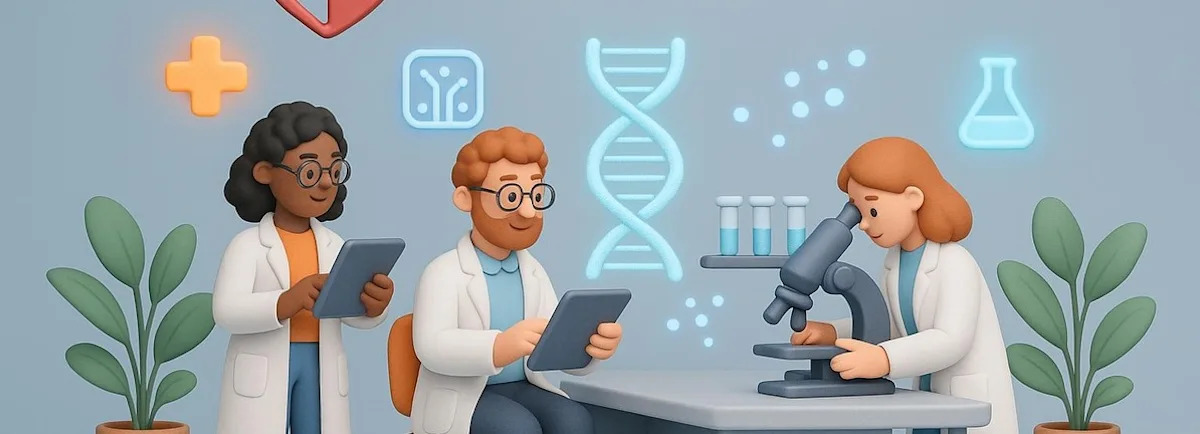
Gilead Sciences announced a partnership with Nucleai to deploy AI-powered tissue analytics across its antibody drug conjugate (ADC) oncology programs, aiming to speed up biomarker discovery and support precision cancer treatment development.
Why it matters
The collaboration fits Gilead's strategy to build a larger oncology franchise alongside its traditional HIV business, using AI tools to standardize tumor sample analysis and enable more targeted patient selection—potentially strengthening newer cancer medicines like Trodelvy and Tubulis ADC technology.
What to watch
Investors should track whether Gilead references Nucleai-driven biomarkers or AI-selected patient groups in upcoming ADC trial readouts and regulatory filings through 2027, particularly in earnings calls and oncology conference updates for data on response rates and trial timelines.
Summaries like this, in your inbox every morning.
Gilead Sciences has long been anchored by its dominant HIV franchise, but the company has been actively building oncology capabilities to reduce dependence on a single therapeutic area facing pricing and policy headwinds. The Nucleai partnership represents a tactical move within that broader diversification strategy—not a wholesale shift, but a platform upgrade intended to make Gilead's existing ADC programs more efficient and selective. By standardizing tumor sample analysis and accelerating biomarker discovery, Gilead aims to identify patient subgroups more likely to benefit from its cancer medicines, which should improve trial outcomes and regulatory approval odds.
The deal also signals that Gilead sees AI-driven tissue analytics as a competitive advantage in precision oncology. Rather than building the capability in-house, the company has chosen to partner with a specialist (Nucleai), a common pattern in biopharma where companies license AI platforms to embed them into existing discovery and development workflows. Investors monitoring this space should expect that success will manifest gradually—not in the partnership announcement itself, but through clinical readouts and regulatory filings over the next 18–24 months, where Gilead is expected to highlight how AI-selected biomarkers or patient cohorts contributed to trial performance.
Pick your industry and the AI tools you use, and get news related to your work every day.
Free · 30 seconds with Google · unsubscribe anytimeWhat is AIToday? →
Ask AI anything about this article. The AI reads this article, earlier AIToday articles, and Wikipedia, and cites its sources. Q&As are published on this page for other readers too.
Chunghwa Telecom president Rong-shy Lin said the shift from conversational AI to autonomous AI agents is resha…
CoreWeave fell 5% in premarket trading Friday and was on track to finish the week down 15%, after rebounding f…
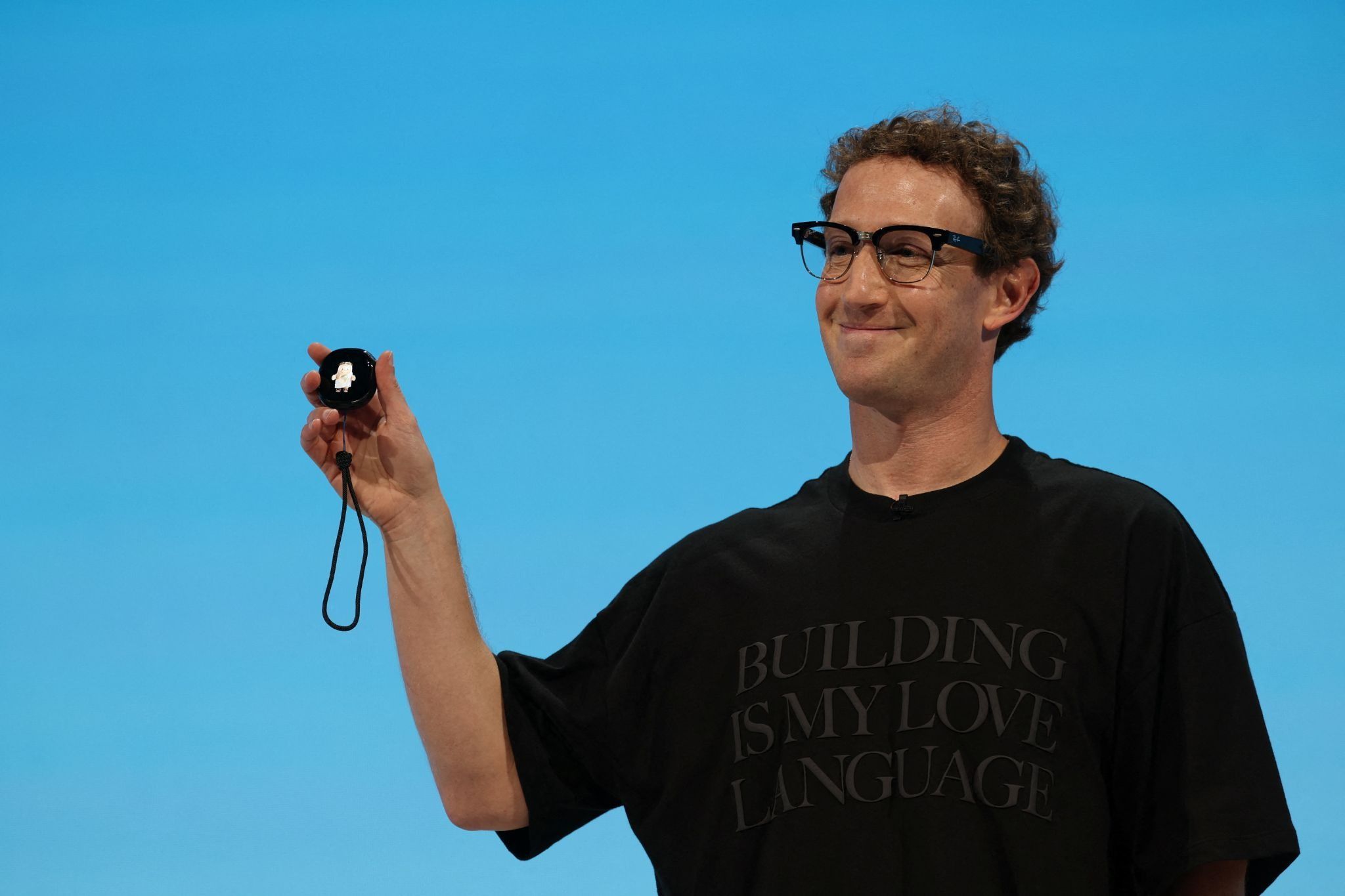
Apple and Meta said they would jointly release a new open-weight AI model designed to run on high-end Macs, ai…
Investors put $38.5 billion into Asian startups in Q3, per Crunchbase data

A longtime Anthropic investor told Fortune he expects shares priced around $1.8 trillion, below the company's…
In Q2, billionaires or their funds sold six 'Magnificent Seven' AI stocks