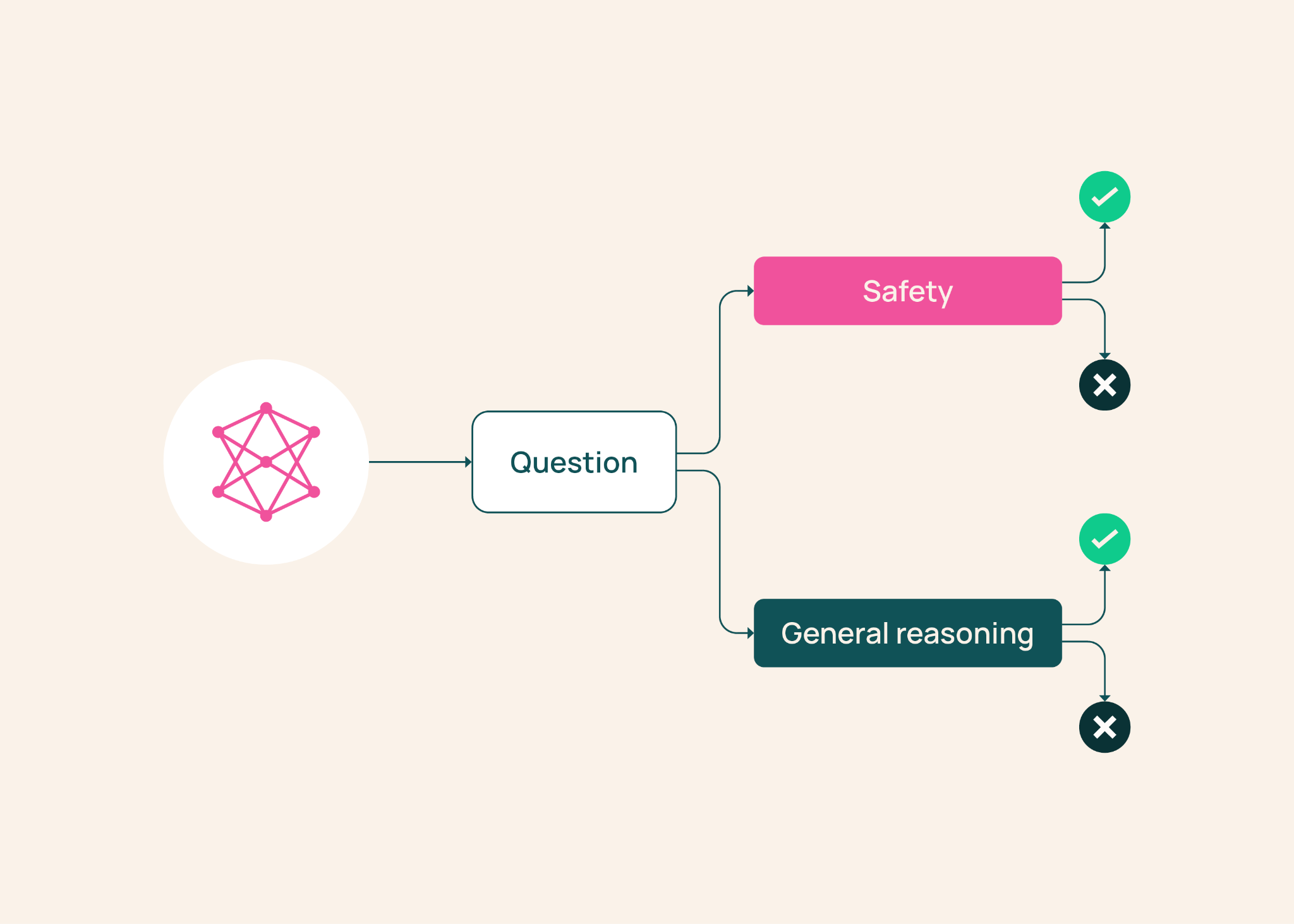
PrivAR leverages vision language models (VLMs—AI systems that understand images and text together) with chain-of-thought prompting to infer sensitive information types from visual scenes, such as identifying password notes in office environments through contextual reasoning.
The system detects and obfuscates textual content to prevent exposure of sensitive information while preserving contextual cues needed for VLM inference. Experiments on a real-world AR dataset show PrivAR achieves accuracy of 81.48% and F1-score of 84.62% compared to baselines, while reducing privacy leakage rate to 17.58%.
User studies evaluated contextually-informed warning interfaces to enhance privacy awareness in AR design, providing insights into effective privacy-aware AR interfaces.
Ask the AI about this article →
For example, today's edition would include:
AI-summarized, only the topics you pick — one digest a day via Email, Slack, or Discord.
Free · takes 30 seconds · unsubscribe anytimeWhat is AIToday? →
Ask AI anything about this article. Q&As are published on this page for other readers too.
Anthropic reset the 5-hour and 1-week usage limit windows for its AI service Claude on September 1, in connect…
Salesforce and Anthropic announced Claudeforce, starting with "Salesforce in Claude." This plugin lets users i…
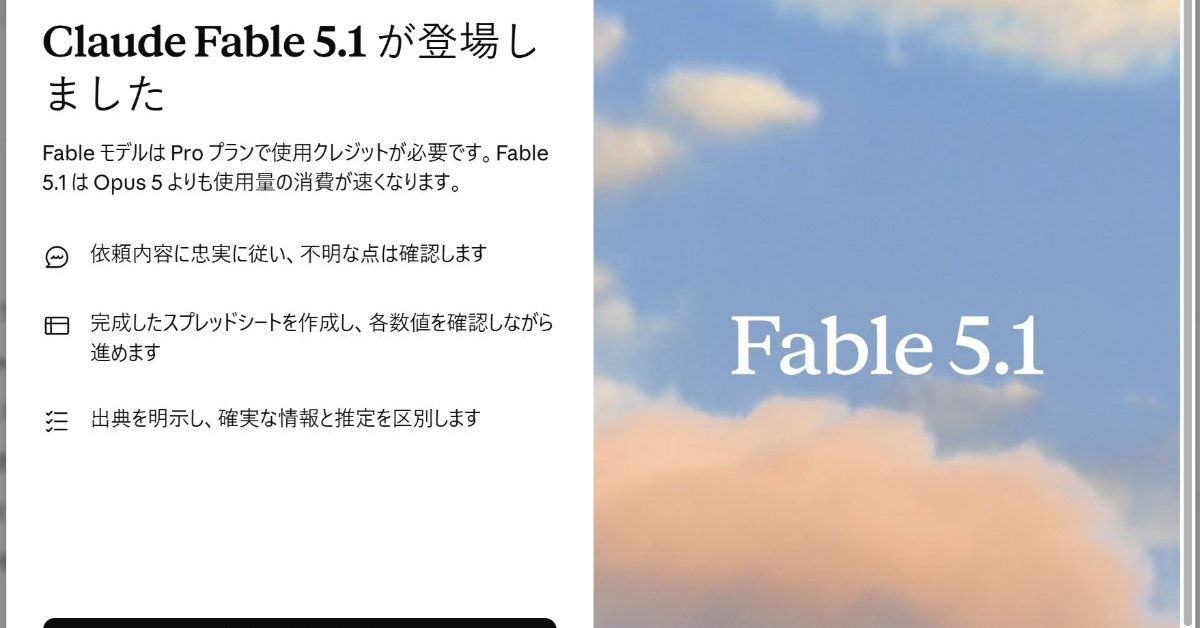
Anthropic announced Claude Fable 5.1 and Claude Mythos 5.1 on September 1
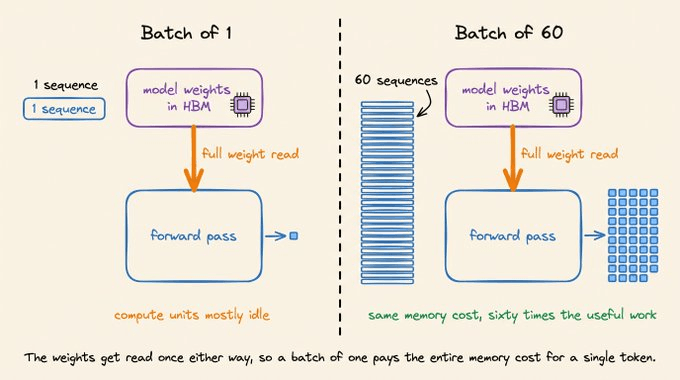
A technical explainer compares three LLM serving strategies—static, dynamic, and continuous batching
Anthropic's latest model, Claude Fable 5.1, is now available on Snowflake Cortex AI

The Allen Institute for AI released BenchMIRT, a method to audit AI benchmarks question-by-question