What happened
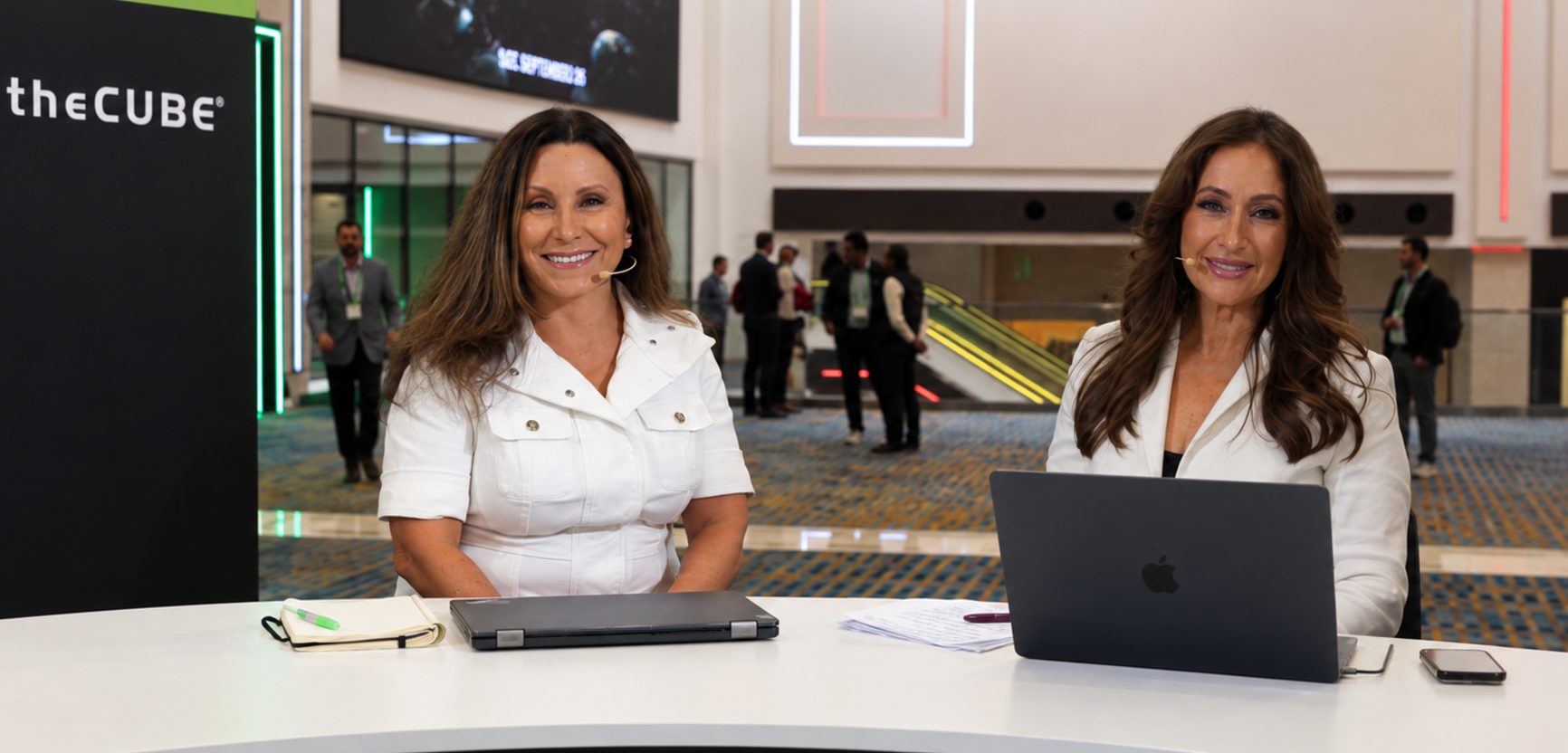
At Workiva's Amplify event, theCUBE Research analyst Krista Case said firms must trace where AI insights came from, who approved an action, and what an agent did.
Why it matters
Case argued that in finance and other regulated processes, plausible-looking AI output isn't enough; actions must be substantiated, and fragmented data makes this harder.
What to watch
Case said the boundaries between AI assisting a human and acting on its own are still being defined and will evolve with use cases; she noted reviewing every action can erase much of automation's value.
WHO IT HITSThis lands hardest on compliance, audit and finance teams at companies now putting AI agents into regulated workflows, who would need to show where an agent's information came from, who approved its actions, and how to reconstruct what it did.
Summaries like this, in your inbox every morning.
The discussion at Workiva's Amplify event, held during an exclusive broadcast on theCUBE, SiliconANGLE Media's livestreaming studio, framed AI governance as a workflow problem rather than a purely technical one. Workiva operates in reporting, audit and compliance workflows where errors carry serious consequences, which is why the conversation focused on control and accountability rather than model performance. Case, speaking with host Alison Kosik, tied the challenge to AI's reach: because AI can process information faster and across more workflows, it also magnifies weaknesses that predate generative AI.
Those weaknesses — fragmented data stores, inconsistent definitions and inconsistent ownership — are, in Case's account, not new problems created by enterprise AI adoption. What has changed is urgency: agents can turn flawed information into decisions at greater speed and scale. That puts the emphasis on controls built around risk, with monitoring and exception handling becoming more important as use cases expand.
A central open question is where the line between assistance and autonomy falls. Case suggested those boundaries are still being defined and will evolve, particularly as business use cases evolve, which leaves companies weighing efficiency against oversight. How strictly firms require human approval for agent actions — and whether they can reconstruct those actions after the fact — is likely to shape how quickly AI agents are trusted with consequential work.
For example, today's edition would include:
AI-summarized, only the topics you pick — one digest a day via Email, Slack, or Discord.
Free · 30 seconds with Google · unsubscribe anytimeWhat is AIToday? →
Ask AI anything about this article. Q&As are published on this page for other readers too.
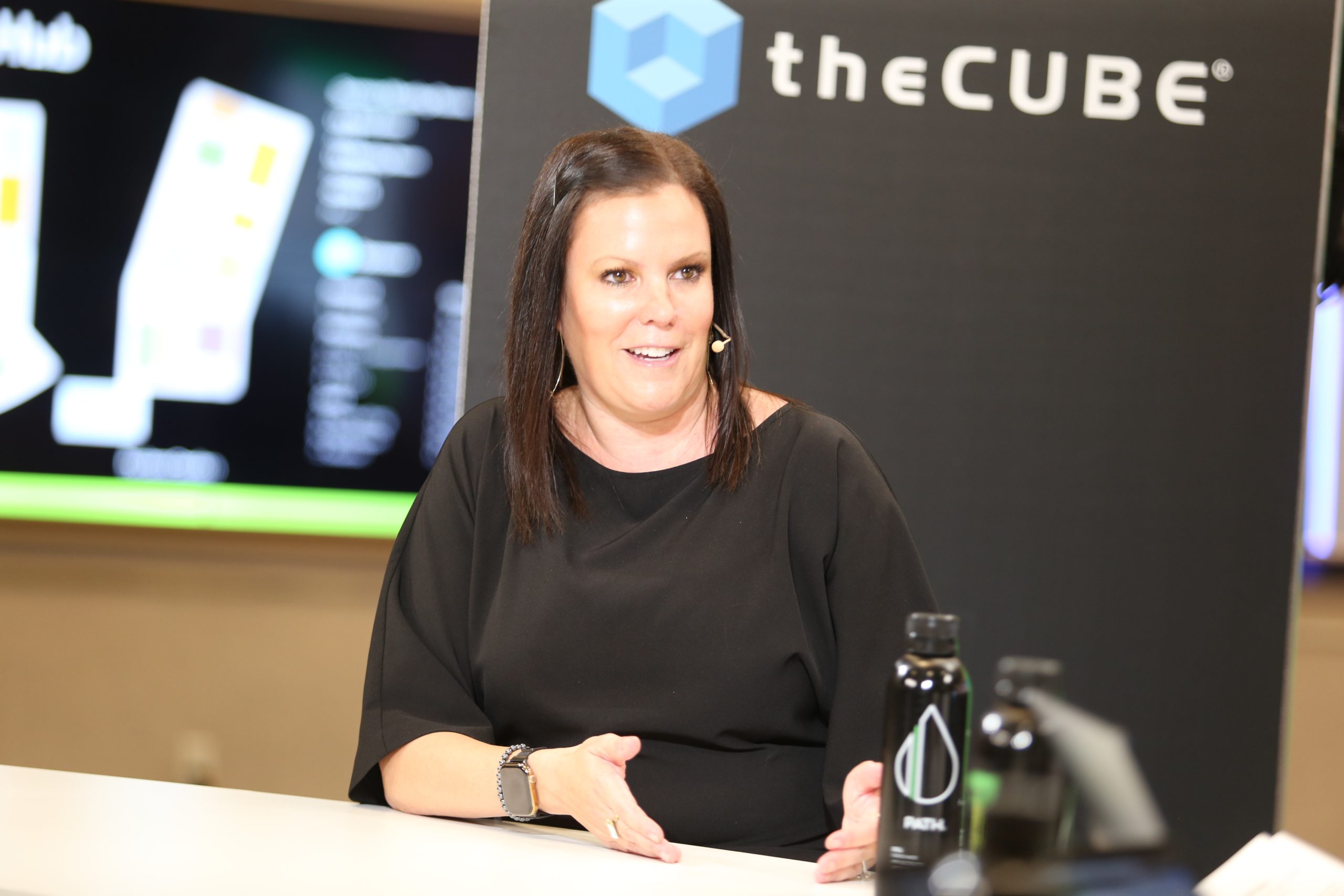
Christie Kozlik, chief accounting officer at Accel Entertainment Inc., told theCUBE that finance adoption is g…
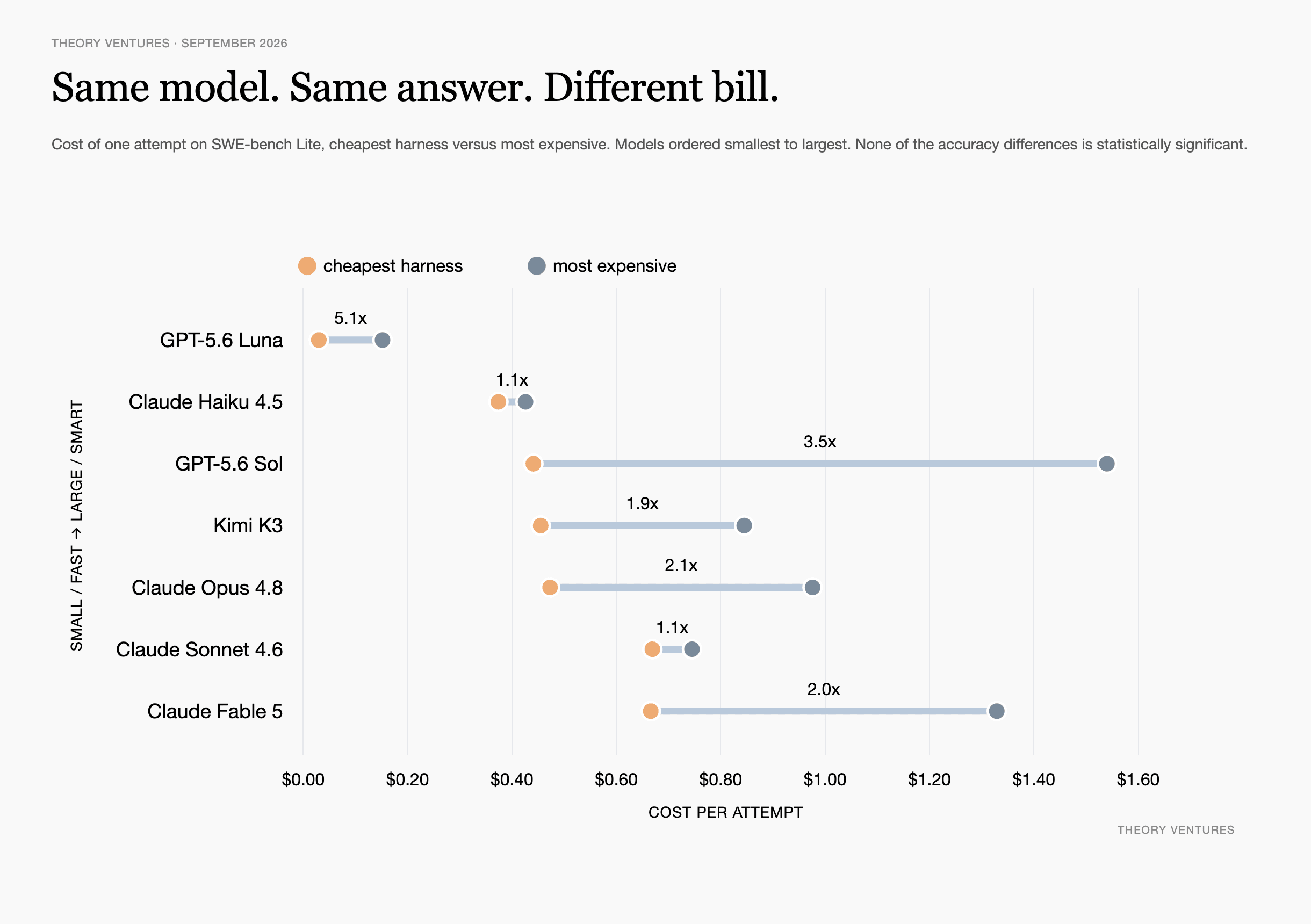
A UC Berkeley study found GPT-5.6 Sol costs 71% less on Pi than on Claude Code, returning the same result, and…
Pika, valued at $470 million, launched a program that automates which AI model creates each video element and…

Anthropic rebuilt the Projects feature in Claude Code

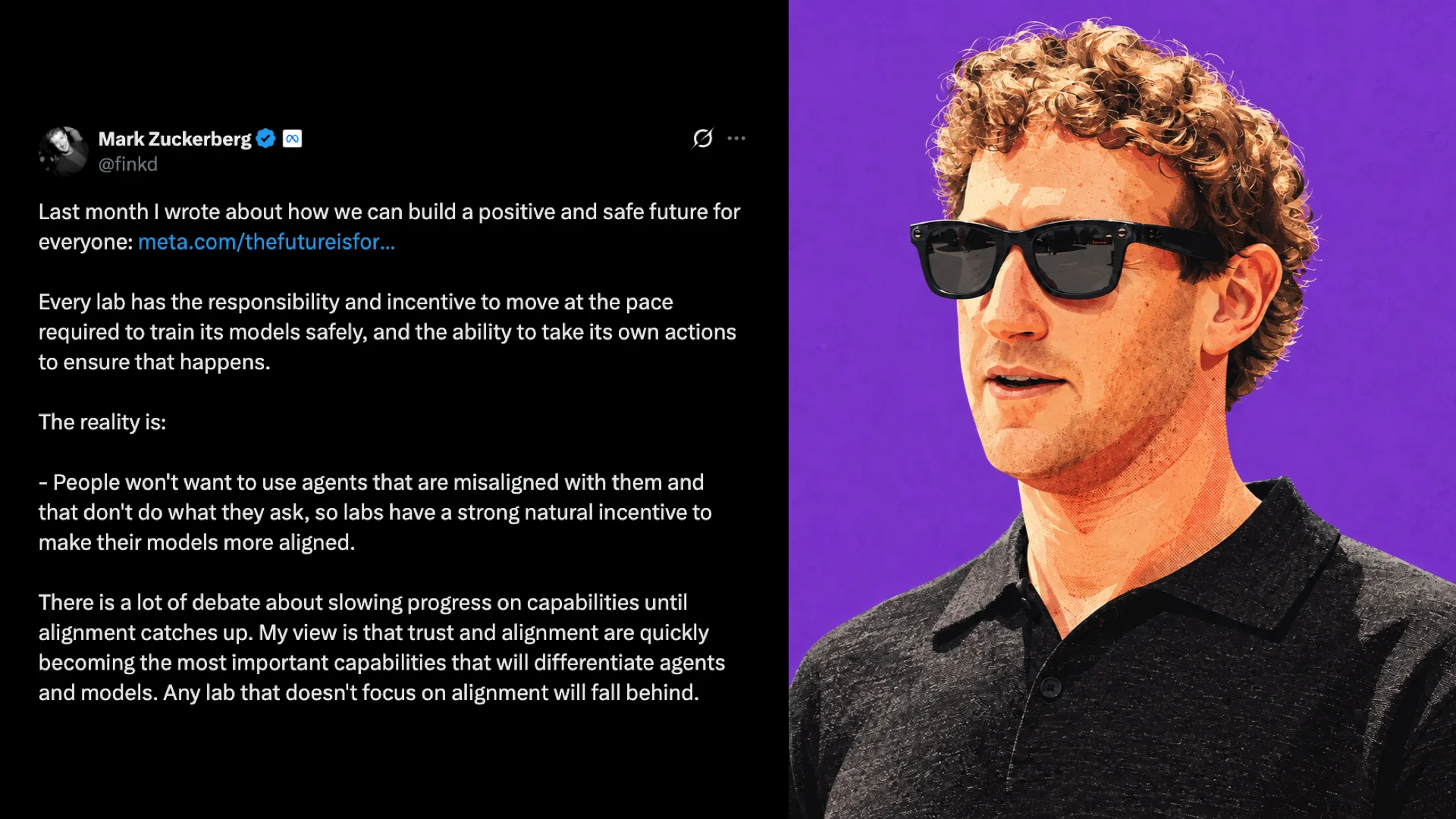
Zuckerberg pushed back on coordinated AI slowdown calls on September 15, saying Meta delayed its Muse agent fo…
Google DeepMind launched the DeepMind Institute on September 16, 2026, led by Demis Hassabis, Shane Legg and J…