What happened
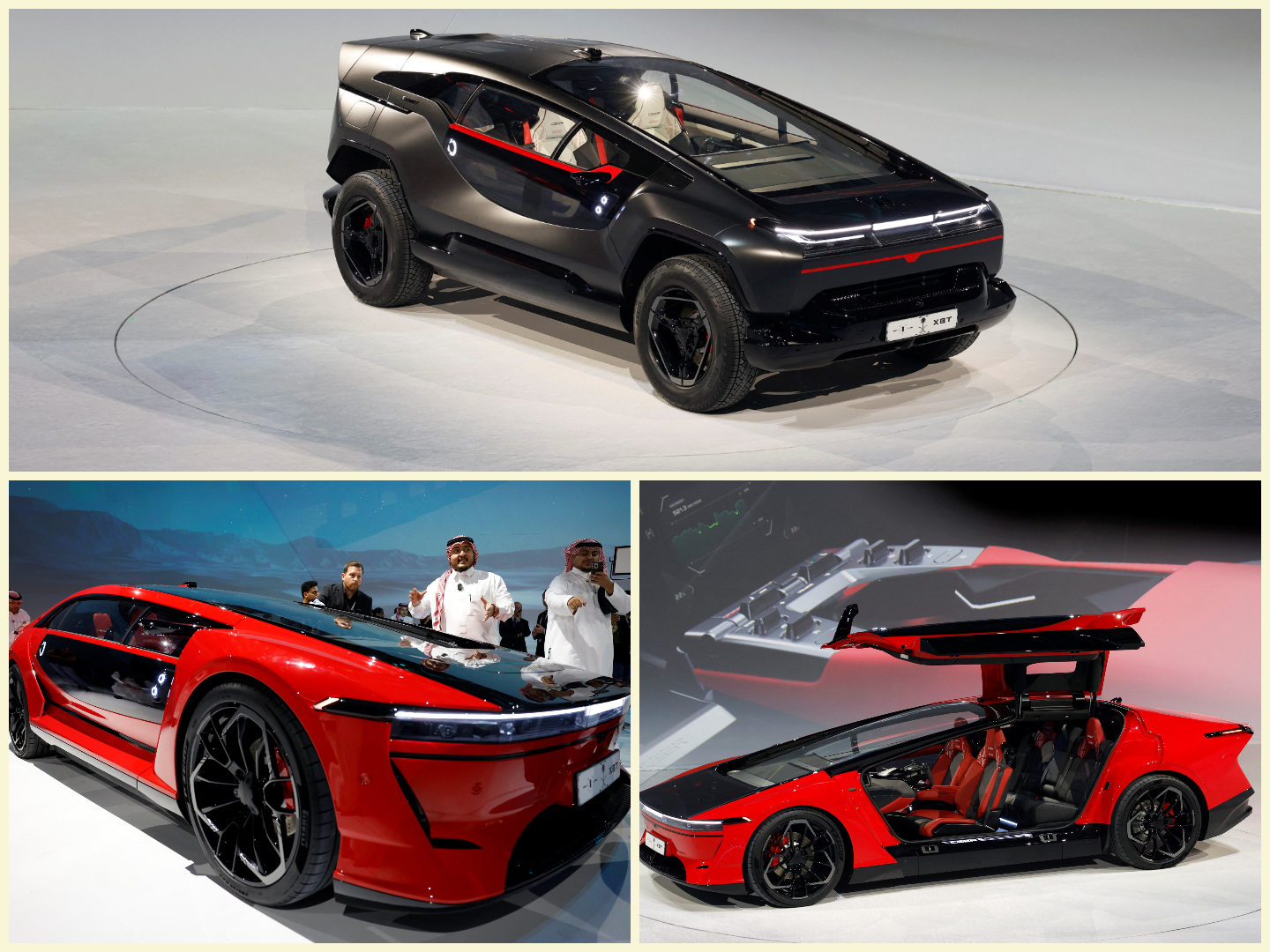
CEER, backed by the Public Investment Fund in a partnership with Foxconn, unveiled its first electric vehicles. It plans to sell them first in the kingdom, then across the Gulf in 2028, targeting seven products between now and 2030.
Why it matters
CEO DeLuca said the carmaker is “fully funded” by its backer and that the seven-product plan was developed and funded in 2023. The launch positions it against Chinese EV brands that have been rapidly gaining market share in the region.
What to watch
The Exobot was meant to go on sale in November, but supply chain disruptions from the Iran war caused a delay, with no further impact expected. Watch whether local content rises from around 18% to 45% by 2034 as more suppliers join.
WHO IT HITSThis lands on Gulf-region auto buyers and the supplier network feeding the kingdom's new manufacturing cluster. For China's EV brands already expanding there, it introduces a state-backed competitor at home.
Summaries like this, in your inbox every morning.
CEER sits inside a longer attempt to build an automotive industry in Saudi Arabia after earlier efforts faltered; Jaguar Land Rover walked away from a manufacturing facility more than a decade ago, and Toyota left talks in 2019. The government then shifted strategy, and the Public Investment Fund — which controls CEER in a partnership with Foxconn — invested in Lucid in 2018, bringing the US EV maker to build the first auto plant in the country. That plant became the anchor for a wider supplier cluster that now includes Hyundai and companies such as Italy's Pirelli, the US's Lear, Korea's Shin Young, Germany's Benteler, and China's Fangxin, with Stellantis studying its own facility.
The launch arrives while many of the fund's other large projects face budget cutbacks and a new emphasis on raising outside capital to limit state funding, alongside an aim to instill financial discipline and a more commercial mindset. DeLuca said CEER's funding from PIF is unchanged and that the seven-product plan was developed and funded in 2023, though he declined to say how much has been invested or when profitability is expected. PIF is also working on deals to bring in more suppliers, which would lift local content in CEER cars from around 18% to 45% by 2034.
The outcome is likely to hinge on execution against Chinese EV brands that have been rapidly gaining share in the region — a challenge made sharper by the Exobot's November-sale delay from Iran war supply chain disruptions. The test for CEER and its backer is whether the supplier build-out and local-content targets arrive on schedule.
For example, today's edition would include:
AI-summarized, only the topics you pick — one digest a day via Email, LINE, or Slack.
Free · 30 seconds with Google · unsubscribe anytimeWhat is AIToday? →
Ask AI anything about this article. Q&As are published on this page for other readers too.

