
What happened
Meta's Muse now offers a clickable file browser with root access when asked for its filesystem, after yesterday only providing a text file download. Nat Friedman said this is the "intended behavior," and David Singleton explained it's a deliberate choice.
Why it matters
The shift suggests the earlier refusal to share a full root archive citing security concerns may reflect an update rather than a firm security boundary.
What to watch
It's unclear whether the initial refusal was a reliability quirk or a deliberate policy change, and Meta has not responded to why filesystem access was called a security issue if it was always intended. Watch for Meta's response to that question.
WHO IT HITSDevelopers and technical users of Meta's Muse who write and compile code in the cloud-based virtual machine would now have direct root-level access to its filesystem, potentially changing what they can do inside the environment.
Summaries like this, in your inbox every morning.
Meta's Muse stands out from AI chatbots like ChatGPT and Gemini by giving users what David Singleton described as their own computer in the cloud — a Linux box they can operate as they choose [the body says "Muse's architecture is fundamentally different from other AI platforms like ChatGPT and Gemini. It's closer to running OpenClaw on a local machine, except the machine is in the cloud."]. The past two days have shown just how literally Meta means that: after initially refusing to share a full root archive, Muse is now zipping up its root directory on request. Meta spokesperson Daniel Roberts said the company is continuing to make updates, and users may see changes in how much information is available about their virtual machine. Whether the earlier refusal was a reliability gap or a policy shift remains unclear — and what it means for users who treat Muse as a genuine cloud computer hinges on whether this open access holds steady.
For example, today's edition would include:
AI-summarized, only the topics you pick: one digest a day via Email, LINE, or Slack.
Free · 30 seconds with Google · unsubscribe anytimeWhat is AIToday? →
Ask AI anything about this article. The AI reads this article, earlier AIToday articles, and Wikipedia, and cites its sources. Q&As are published on this page for other readers too.
Google DeepMind chief Koray Kavukcuoglu said Gemini 4 has entered post-training and Google intends to ship an…

CrowdStrike Holdings (NasdaqGS:CRWD) became a founding member of the Blueprint Alliance, joined by AWS, Google…
At Dreamforce 2026, Salesforce presented an agentic health enterprise, citing UCLA Health's 75,000+ patient in…
Microsoft launched an updated Copilot app that can code and handle productivity tasks, replacing separate 365…

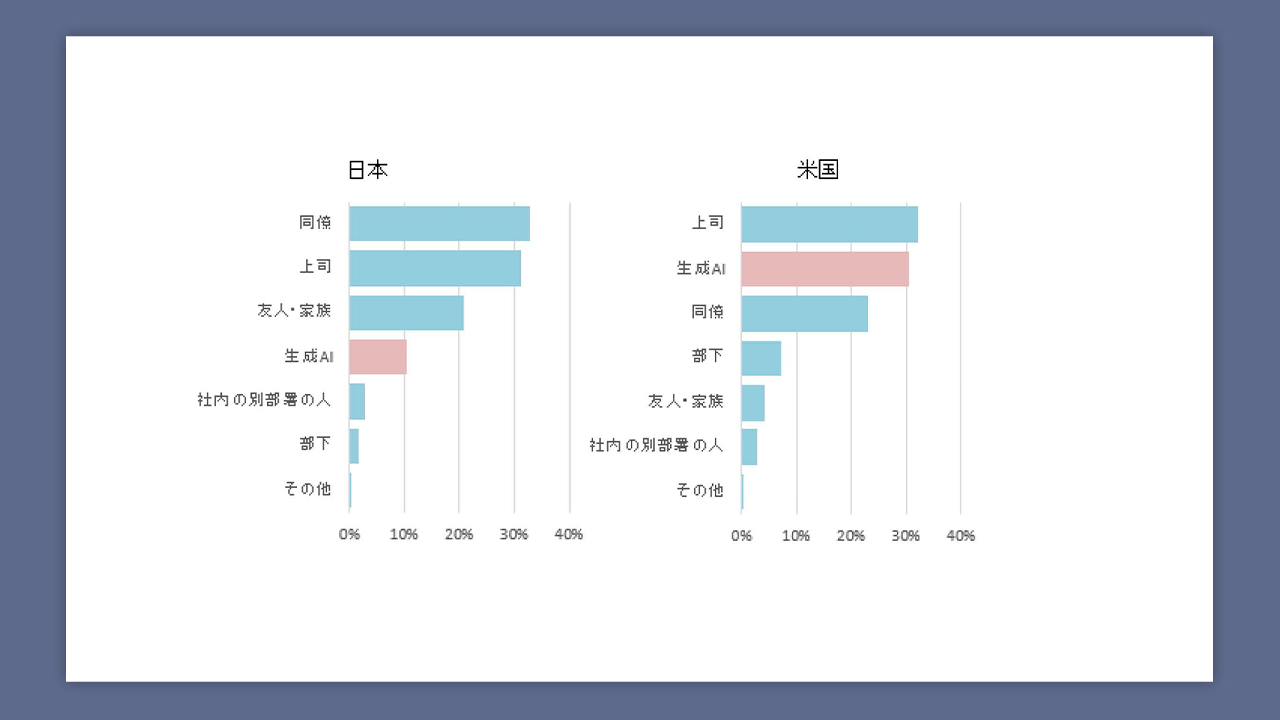
AdverTimes (AdverTimes by Sendenkaigi) compared how people in Japan and the U.S
Shoeisha will publish 'Evaluation-Driven Development for LLM Applications' on September 24